
Who should consider Trace of the Villa after atmospheric mystery adventures
Trace of the Villa is a slow-burn, clue-driven mystery about Jin’s search for his missing sister inside a remote, decaying mansion. Released on 28 May, 2026 by Steadyturtle Co., Ltd., it leans on environmental evidence and forensic curiosity as players restore a house’s systems and follow financial and identity traces to uncover what happened.

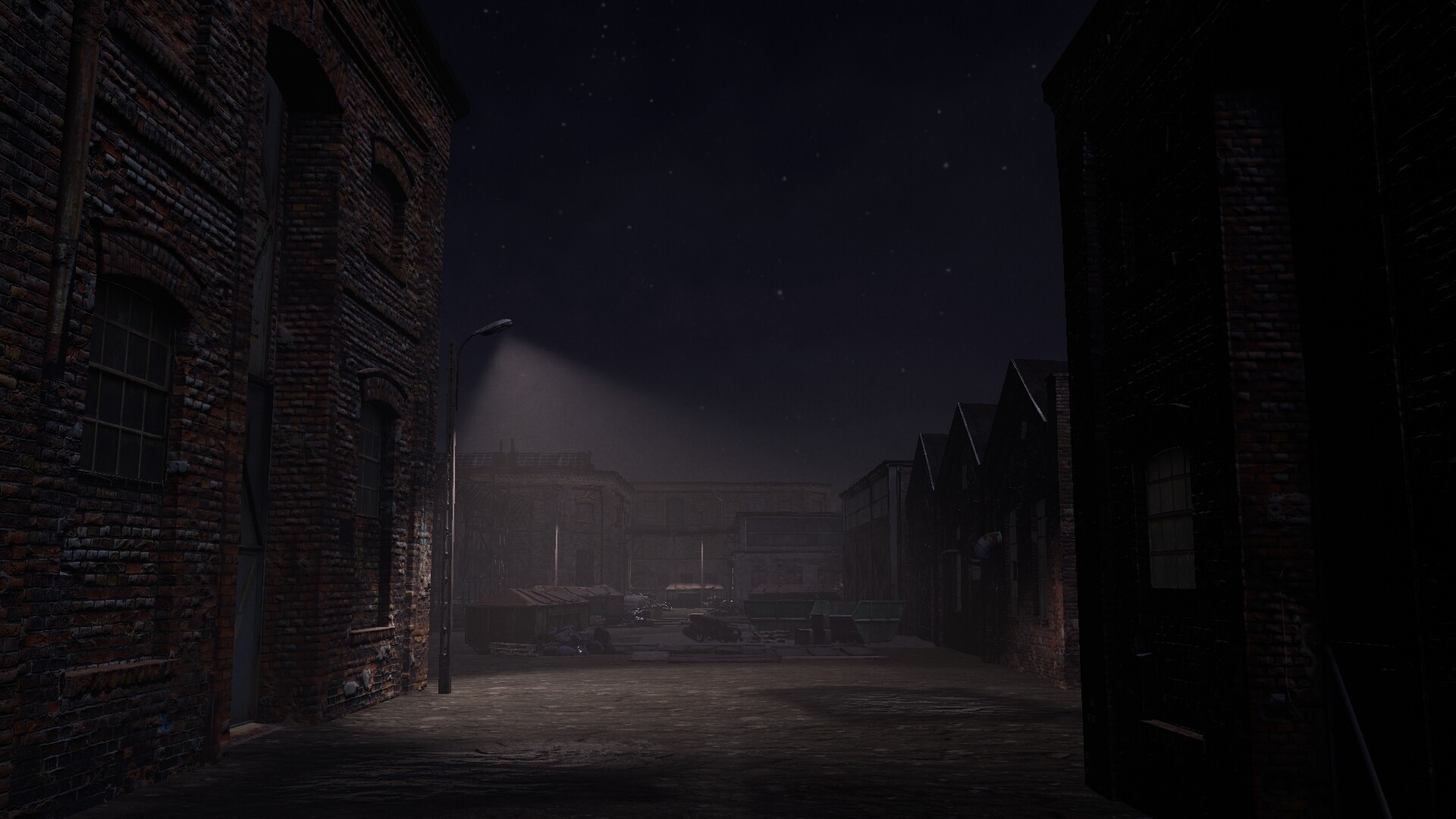
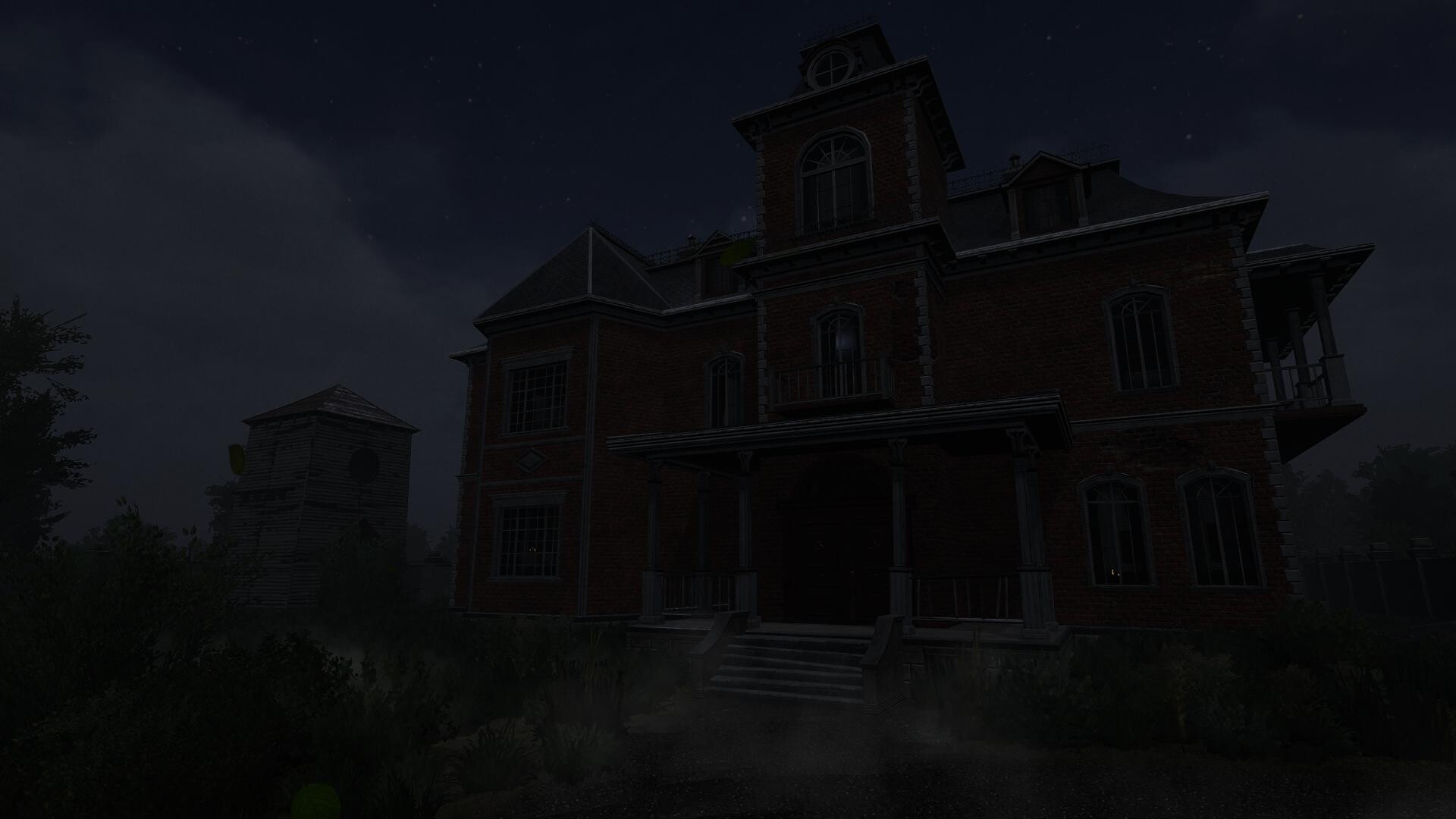
Quick facts
| Title | Trace of the Villa |
|---|---|
| Steam AppID | 3483660 |
| Release date | 28 May, 2026 |
| Developer | Steadyturtle Co., Ltd. |
| Publisher | Steadyturtle Co., Ltd. |
| Genres | Action, Adventure, Indie |
| Categories | Single-player; Color Alternatives; Custom Volume Controls; Playable without Timed Input; Subtitle Options; Family Sharing |
Who is this for?
Trace of the Villa suits players who prefer slow investigation and environmental storytelling over fast-paced action. If you enjoyed atmospheric mystery adventures that reward careful observation — piecing together manifests, encrypted documents, and signs of occupation — this game is a natural fit. It’s aimed at PC/Steam players who want puzzle-led progress that feels forensic and deliberate rather than adrenaline-driven.
What the game is (official premise)
Officially, Trace of the Villa follows Jin, who has spent years searching for his missing sister. A lead brings him to a remote, deliberately forgotten mansion where he recovers manifests and hints that she may still be alive. Inside, the estate appears “erased”: furnished rooms with no names or photographs, locked doors, and systems that reveal hidden compartments, encrypted documents, and suspicious transfer records when power is restored. The investigation gradually exposes falsified identities and financial trails, suggesting the mansion was part of a larger concealed operation.
When and where to play
Trace of the Villa is available on Steam (released 28 May, 2026). It’s presented as a PC title under the Action/Adventure/Indie genres and includes Steam-friendly accessibility and control options such as subtitle support, color alternatives, and an option to play without timed input.
Why the abandoned-estate angle matters
Abandoned estates are an ideal set-piece for clue-driven exploration because they concentrate personal effects, infrastructure, and omissions. In Trace of the Villa those omissions are meaningful: missing photos, erased records, and sealed systems point players toward forensic interpretation rather than jump scares. If you like reconstructing stories from environmental evidence — reading where people lived and what they left behind — the mansion setup amplifies that reward.
How progression and investigation are framed
According to the official description, progress is tied to restoring power and accessing secured systems: turning things back on reveals hidden compartments, safes, and fragments of encrypted documents. Players follow manifests and transfer records as tangible leads. That structure suggests a gameplay loop centered on discovery, analysis, and linking evidence into a timeline rather than rapid reflex challenges.
Player scenarios — who should wishlist it
- You like atmospheric mystery adventures where atmosphere and environmental clues carry the story.
- You prefer methodical, slow-burn investigations that emphasize piecing together documents and system evidence.
- You enjoy mansion mysteries where the location itself functions as a narrative device.
- You value accessibility options such as subtitles, color alternatives, and the ability to play without timed input.
Comparisons — how it sits beside similar mystery/puzzle titles
Below is an editorial comparison focused on genre, atmosphere, puzzle emphasis, exploration style, and pacing to help decide how Trace of the Villa may match your tastes.
| Title | Atmosphere / Tone | Puzzle emphasis | Exploration style | Pacing / Player fit |
|---|---|---|---|---|
| Trace of the Villa | Decaying mansion, forensic curiosity, erased identities | Document-driven, system-restoration, safe/compartment discovery | Slow, clue-led interior exploration | Slow-burn investigation; players who read environmental evidence |
| Amnesia: The Dark Descent | Immersive, chilling horror | Environmental puzzles with survival/hide mechanics | First-person, tense traversal of unsettling spaces | High-tension, immersive; suited to players who want fear and immediacy |
| SOMA | Sci‑fi horror, existential and atmospheric | Puzzle and narrative interplay; philosophical beats | Exploration-heavy, story-focused environments | Deliberate pacing with story and mood emphasis |
| Layers of Fear (2016) | Psychological horror in a shifting Victorian mansion | Narrative puzzles and environmental changes | Variable, often surreal interior exploration | Psychological, unsettling; players who like story-driven unease |
| The Room | Focused, mysterious puzzle-box tone | Mechanical puzzle boxes and tactile puzzles | Contained, node-based exploration of puzzles | Shorter, puzzle-centric sessions for puzzle purists |
| Rusty Lake Hotel | Dark, eerie puzzle adventure; surreal | Point-and-click puzzles with a recurring cast | Room-by-room, vignette exploration | Compact chapters and quick puzzle loops |
YouTube discovery
If you want to see trailers or gameplay footage, search for Trace of the Villa on YouTube: Trace of the Villa trailer & gameplay (YouTube search). This link is a discovery path; a specific official video should be verified on the developer’s channels before assuming it is the official trailer.
Final take — who should wishlist it
Wishlist Trace of the Villa if you prize environmental evidence, methodical clue-gathering, and mansion-set mysteries where narrative emerges from restored systems and paperwork. If your preferred play is slow, investigative
Leave a Reply