
Trace of the Villa: a clue-first mansion mystery that privileges reading over reflexes
Trace of the Villa casts you as Jin, a man following scraps of evidence to a decaying mansion where manifests and encrypted fragments hint his missing sister may still be alive. Released 28 May, 2026 by Steadyturtle Co., Ltd., the game leans on environmental storytelling and methodical puzzle work rather than action-heavy pacing.

Who this is for
This is for players who value slow-burn suspense, environmental storytelling, and puzzles that read like forensic work. If you prefer clue-driven exploration—matching fragments of documents to device outputs, following financial trails implied by in-world records, and piecing together a timeline from found objects—Trace of the Villa is designed for you. It also suits players who want options such as subtitle support and the ability to play without timed input (see the facts table below).
What the game is
Trace of the Villa is an atmospheric mystery adventure in which Jin investigates a remote, deliberately forgotten estate after a lead suggests his sister might still be alive. Inside, rooms look like occupants vanished mid-routine; identities and records have been scrubbed. When Jin restores power to the property, secured systems, hidden compartments and safes begin to reveal fragments of encrypted documents and suspicious transfer records. Each solved puzzle reveals another layer of a concealed operation, shifting the focus from immediate danger to unraveling motive and method.
When and where
Trace of the Villa launched on Steam on 28 May, 2026. It appears in a typical PC Steam context as an Action / Adventure / Indie release from Steadyturtle Co., Ltd., available as a single-player experience with accessibility and comfort options such as color alternatives, custom volume controls, subtitle options, and support for playing without timed input.
Why the theme matters
The mansion setting and the story’s erasure-of-identity conceit steer design toward puzzles that communicate through objects and documents rather than combat or scripted set pieces. That emphasis makes the game less about reaction times and more about curiosity and deduction: reading manifests, interpreting system logs, and using small, persistent details to build a larger picture. For players who want their emotional pull to come from discovery and implication, that choice of theme tightens the game’s emotional register.
How you progress — reading clues, object logic, and story puzzles
Progress is gated by puzzle sequences that reward careful observation and pattern recognition. The official text describes restoring power as a key mechanical beat: once systems come back online, the house begins to disclose locked content—hidden compartments, safes, and encrypted documents. Those recovered artifacts form the connective tissue of Jin’s investigation; you advance by interpreting these items in context rather than by defeating foes or racing through timed encounters. Expect puzzles that tie object logic (how an item fits or works) to narrative revelations (what a document or transfer record implies about people moving through the house).
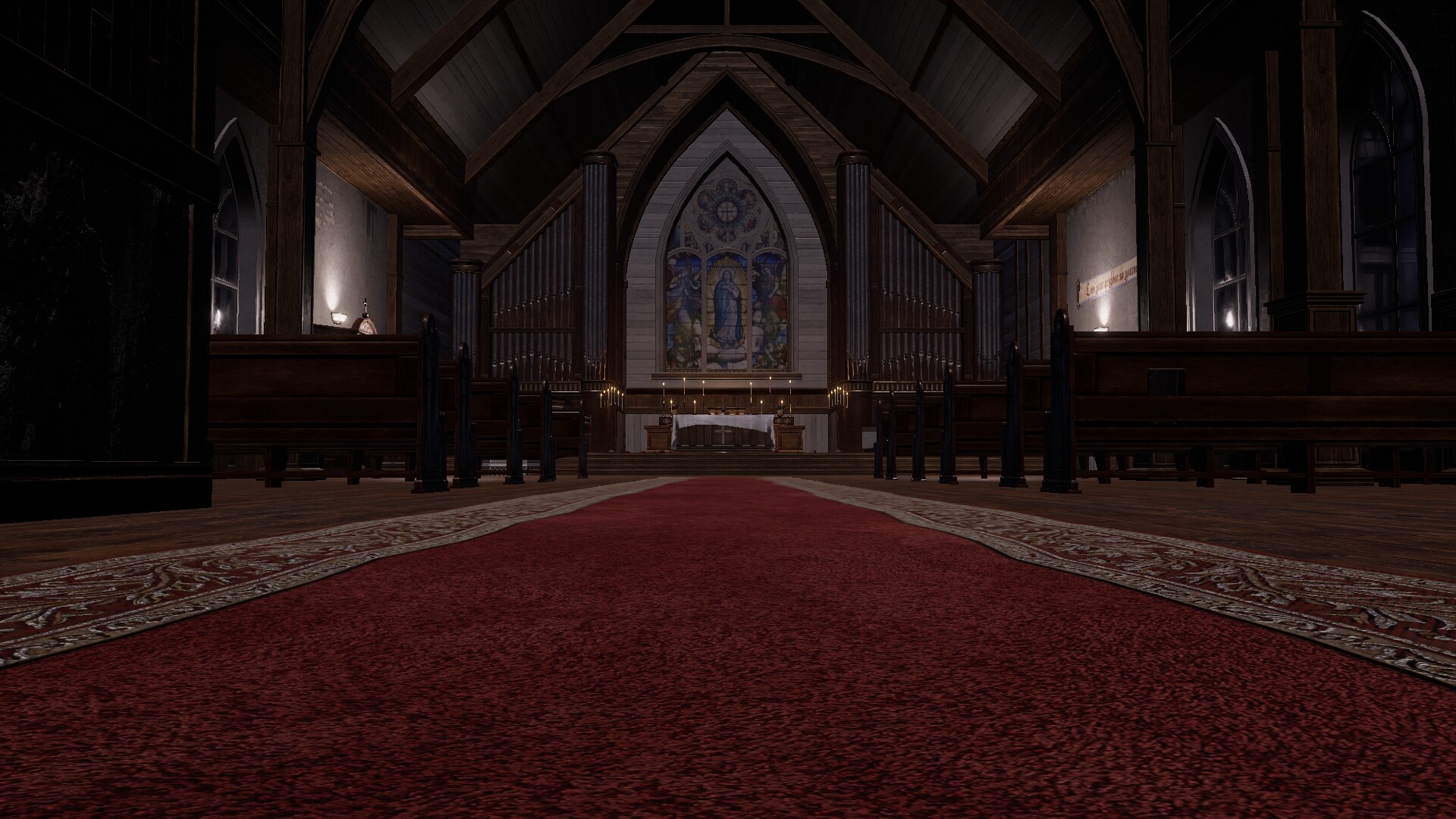

Compact facts: Trace of the Villa
| Title | Trace of the Villa |
|---|---|
| Steam App ID | 3483660 |
| Developer | Steadyturtle Co., Ltd. |
| Publisher | Steadyturtle Co., Ltd. |
| Release date | 28 May, 2026 |
| Genres | Action, Adventure, Indie |
| Key categories / features | Single-player; Color Alternatives; Custom Volume Controls; Playable without Timed Input; Subtitle Options; Family Sharing |
| Short premise | Jin investigates a remote mansion where recovered manifests and hints suggest his missing sister may still be alive. |
How it compares — lawful editorial discovery
Below is a focused comparison on puzzle focus, atmosphere, exploration and pacing for readers deciding fit, not a ranking.
| Title | Genre / Tone | Puzzle focus | Exploration style | Pacing |
|---|---|---|---|---|
| Trace of the Villa | Action / Adventure / Indie — atmospheric mystery | Clue-driven, document- and object-based story puzzles (restoring systems, decrypting records) | Mansion-bound environmental investigation; layering of revealed evidence | Slow-burn, investigative rather than action-led |
| The Room | Adventure / Indie — tactile, mysterious | Mechanical, single-room safe and lock puzzles; tactile, object-centric | Focused, contained spaces that spotlight puzzle mechanics | Measured, puzzle-centric sessions |
| Escape Simulator | Adventure / Casual / Indie — playful escape-room simulation | Highly interactive room puzzles; physical manipulation and emergent solutions | Modular escape rooms, often fast to iterate and test | Variable — can be brisk, cooperative or experimental |
| Unpacking | Casual / Indie — zen, domestic storytelling | Spatial, block-fitting and discovery through objects as life clues | Domestic, peaceful exploration of memory via possessions | Relaxed, reflective |
Player scenarios — who should wishlist this
- Steam page
View Trace of the Villa on Steam
YouTube discovery
For trailer and gameplay discovery, use YouTube search rather than relying on unverified embeds: Find Trace of the Villa trailer and gameplay searches on YouTube.
Leave a Reply