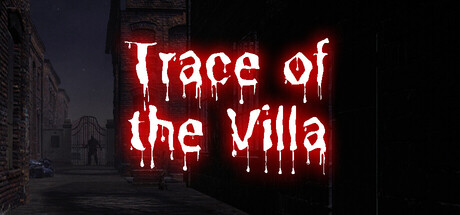
Trace of the Villa — a premise-first guide to the mansion mystery
Trace of the Villa drops you into a slow-burn, clue-driven investigation: Jin arrives at a decaying, off-the-grid mansion after years searching for his missing sister. The game asks players who they are willing to follow into layers of erased lives and concealed systems without ever spoiling the reveal up front.



Who this is for
If you favor atmospheric mystery adventure and environmental storytelling over jump scares, this is aimed at you. Players who like slow-burn suspense, methodical puzzle sequences that unlock narrative fragments, and character-driven motivations (a protagonist hunting for a family member) should consider wishlisting Trace of the Villa. It’s suited to single-player PC players who prefer readable clues, subtitles, and accessibility options — the Steam page lists categories like Subtitle Options, Color Alternatives, and Playable without Timed Input.
What the game is (premise-first)
Trace of the Villa (developer/publisher: Steadyturtle Co., Ltd.) positions Jin as a focused investigator. Official short description: “Jin has spent years searching for his missing sister, pursuing leads that took him to a remote, decaying mansion where he recovered manifests and hints that indicate his sister may still be alive, somewhere at the end of the trail he is about to follow.” Expect an exploration-forward Action/Adventure Indie game that emphasizes finding and interpreting manifests, restoring systems, and peeling back a deliberately erased past.
When and where
Trace of the Villa released on 28 May, 2026 on Steam. The store page lists it under Action, Adventure, Indie and marks it as Single-player with PC-friendly accessibility and control options.
Why the theme matters
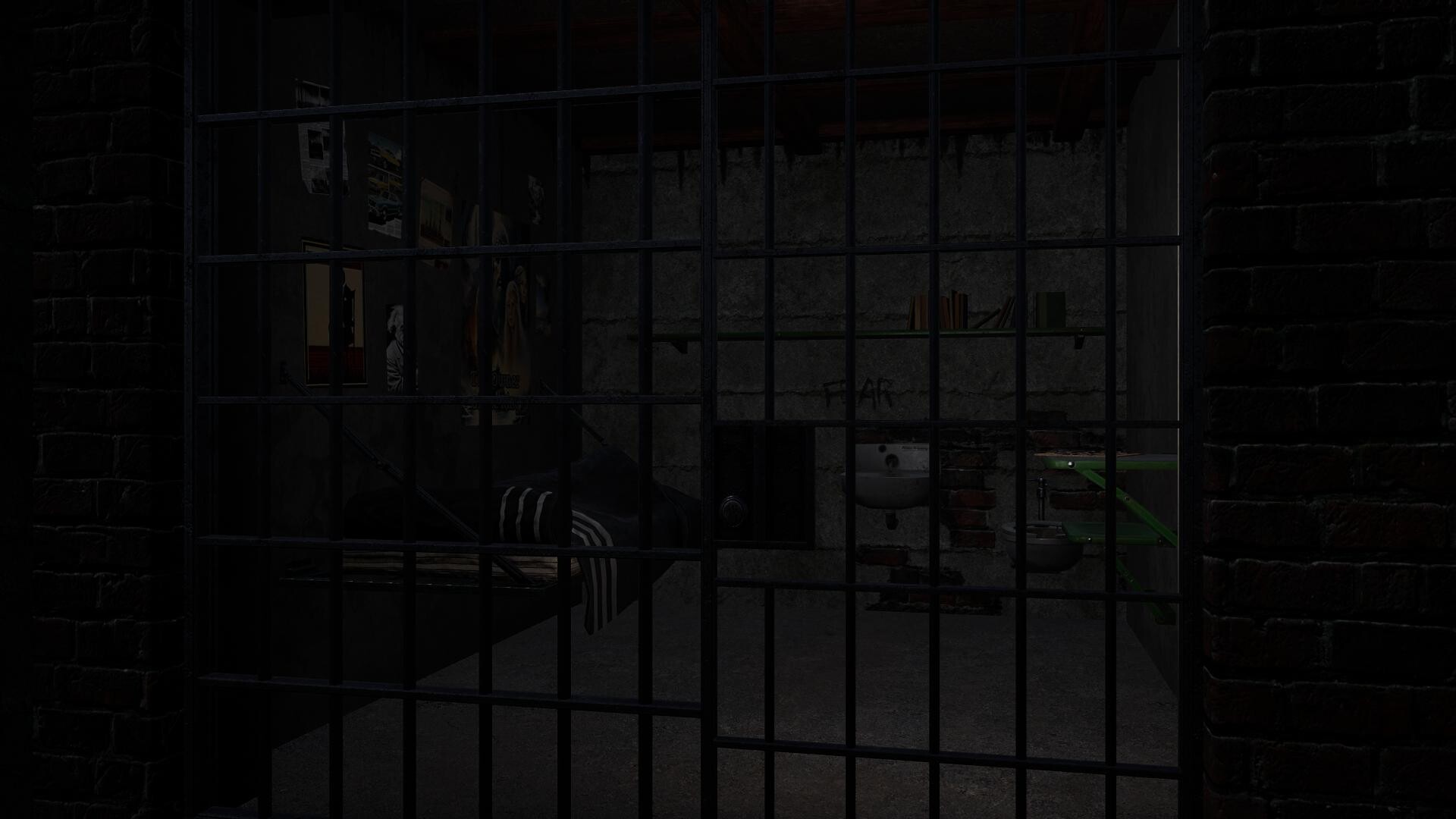
The core theme — a household stripped of names and recent records — creates narrative curiosity: rooms frozen mid-routine, personal items without photographs, and secured systems that reveal fragments when powered back on. That premise turns each solved puzzle into an interpretive act: not just a mechanical unlock, but a moment that rewrites who was here and why. For players who value contextual mystery (who left, who controlled movements, and what institutional or personal forces erased identity), the game’s setting promises steady reveals rather than outright explanation.
How you read clues and progress (no spoilers)
According to the official description, progression centers on restoring estate systems and accessing hidden compartments: restoring power activates secured systems, safes yield fragments of encrypted documents, and manifests point to further leads. Mechanically, expect exploration and puzzle solving to be the primary drivers of narrative advancement — each environment and document is a piece of backstory you assemble rather than a cutscene that hands you answers.
Player scenarios — when to wishlist
- Wishlisting if you enjoy investigative pacing: You want a steady, document-led unraveling of backstory where each solved puzzle yields a narrative fragment.
- Wishlisting if you like atmosphere over gore: You prefer tension created by environment and implication rather than explicit horror set-pieces.
- Wait or watch if you need fast action or player-versus-enemy combat: The core pitch focuses on exploration, restoration of systems, and piecing together manifests.
- Wishlisting for accessibility-minded play: The Steam page lists Subtitle Options, Color Alternatives, Custom Volume Controls, and “Playable without Timed Input.”
Compact facts — Trace of the Villa
| Title | Trace of the Villa |
|---|---|
| Release date | 28 May, 2026 |
| Developer | Steadyturtle Co., Ltd. |
| Publisher | Steadyturtle Co., Ltd. |
| Genres | Action, Adventure, Indie |
| Categories (selected) | Single-player; Color Alternatives; Custom Volume Controls; Playable without Timed Input; Subtitle Options; Family Sharing |
| Steam store | Trace of the Villa on Steam |
How it compares (editorial discovery)
Below is a short, lawful editorial comparison on core elements—genre, atmosphere, puzzle focus, exploration style, story tone, and pacing—to help you see where Trace of the Villa lands relative to other narrative-led titles.
| Title | Genre/Feel | Puzzle & Exploration | Story Tone / Pacing |
|---|---|---|---|
| Trace of the Villa | Action/Adventure, Indie — mansion mystery, investigative | Clue-driven puzzles, manifests, restoring systems to unlock narrative fragments | Slow-burn, atmospheric, focused on erased identities and institutional traces |
| Inscryption | Card-based, darkly metafictional (topic research) | Puzzle-like card mechanics blended with escape-room sequences | Psychological, layered reveals with a tense, sometimes unsettling tempo |
| Outer Wilds | Action/Adventure — open-world cosmic mystery (topic research) | Exploration-driven puzzles across a solar system; discovery via mechanics and environment | Curiosity-led pacing with emergent, player-driven moments rather than linear reveals |
| Journey | Adventure/Indie — contemplative, atmospheric (topic research) | Minimalist interaction; exploration as emotional discovery | Slow, poetic pacing; emphasis on mood over factual mystery |
| The Forgotten City | Narrative-driven mystery with time mechanics (topic research) | Puzzle and moral choices driven by a time-loop mechanic | Plot-forward with puzzle consequences that alter outcomes |
| The Medium | Psychological horror/adventure (topic research) | Dual-realm exploration with environmental and psychological puzzles | Brooding, tense pacing with stronger horror elements than Trace of the Villa |
YouTube discovery
If you want to see trailer or gameplay clips, use this YouTube search path (search results may include trailers and community footage): Search Trace of the Villa trailers and gameplay on YouTube. This is a discovery link and not an assertion that any specific video is the official trailer.
Steam link (quick): https://store.steampowered.com/app/3483660/Trace_of_the_Villa
Leave a Reply