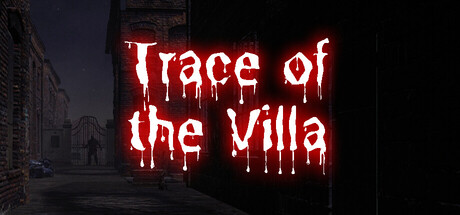
Trace of the Villa: a slow-burn mansion mystery built on missing-person stakes
Trace of the Villa centers on Jin, a man whose years-long search for his missing sister leads him to a remote, decaying mansion where manifests and hints suggest she may still be alive. The game leans on clue-driven exploration, environmental storytelling, and a house that feels less abandoned than deliberately erased.

Developer / publisher: Steadyturtle Co., Ltd. | Release date: 28 May, 2026
Quick facts
| Title | Trace of the Villa |
|---|---|
| Steam appid | 3483660 |
| Developer / Publisher | Steadyturtle Co., Ltd. |
| Release date | 28 May, 2026 |
| Genres | Action, Adventure, Indie |
| Notable Steam categories | Single-player; Color Alternatives; Custom Volume Controls; Playable without Timed Input; Subtitle Options; Family Sharing |
| Official short premise | “Jin has spent years searching for his missing sister, pursuing leads that took him to a remote, decaying mansion where he recovered manifests and hints that indicate his sister may still be alive, somewhere at the end of the trail he is about to follow.” |
Who this is for
If you prioritize character motivation and missing-person stakes over jump-scare spectacle, Trace of the Villa targets players who want an investigative core to their atmospheric mystery adventure. The Steam listing frames the story around Jin’s obsession—players drawn to slow-burn suspense, psychological investigation, and environmental storytelling are the primary audience. The game’s Steam categories (subtitles, color alternatives, no timed-input requirement) also make it approachable for players who prefer an accessibility-friendly, contemplative pacing.
What the game is
According to the official Steam description, Trace of the Villa places Jin inside a deliberately cut-off estate whose rooms look as if occupants vanished mid-routine. Restoring power and exploring the property reveals encrypted documents, transfer records, and other fragments that suggest the mansion was used as part of a larger, concealed operation. The listed genres are Action, Adventure, and Indie — the description emphasizes narrative puzzle design and clue-driven progression rather than arcade spectacle.

When and where to play
Trace of the Villa released on Steam on 28 May, 2026. The Steam store page (linked below) is the official place to wishlist, buy, and view system requirements and options such as subtitle support and control settings.
View Trace of the Villa on Steam
Why the missing-person theme matters here
Missing-person stakes give the whole experience a personal gravity: Jin’s search reframes environmental details as personal—empty rooms, the absence of names and photographs, and falsified identities become evidence rather than mere atmosphere. The official copy repeatedly underscores that the mansion was never “just a residence” but part of a concealed operation; that setup raises questions about motive, culpability, and what kinds of secrets require erasing identities. For players who prefer narrative tension rooted in human stakes, that focus can make exploration feel consequential rather than decorative.
How you progress — reading clues and piece-by-piece reveals
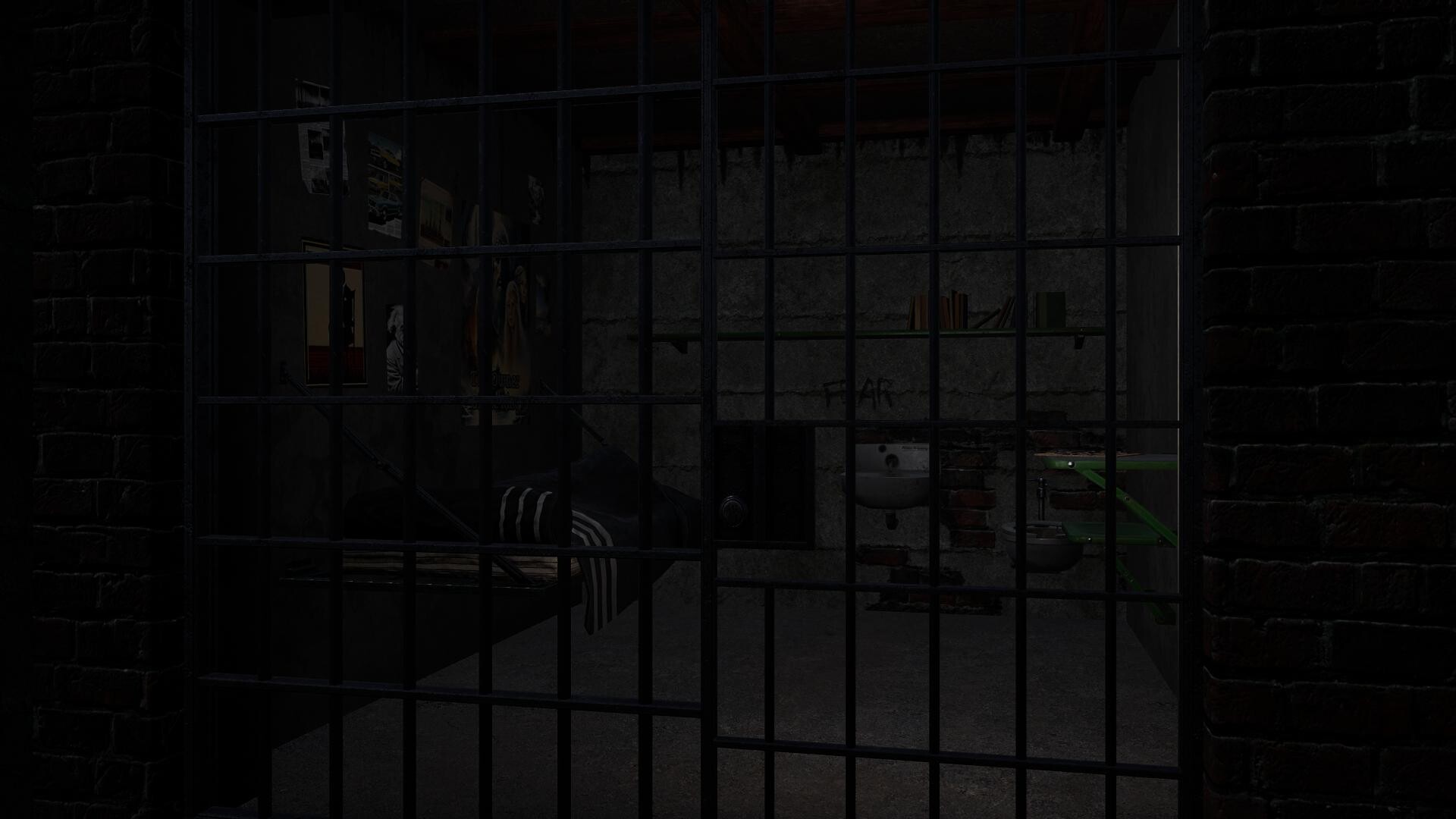
The official description describes restoring power, unlocking hidden compartments, and recovering fragments of encrypted documents and suspicious transfer records. That suggests a progression loop where environmental interaction and document fragments reframe earlier discoveries—players who enjoy connecting disparate clues and interpreting partial records to reconstruct timelines will find that investigative rhythm familiar. Given the Steam categories (no timed input required, subtitle options), the experience appears designed for methodical puzzle-solving and story-first exploration rather than reflex-driven sequences.
Player scenarios: who should wishlist it now
- Players who prioritize character-driven motives and missing-person stakes over overt horror setpieces.
- Fans of narrative puzzle design who enjoy reconstructing timelines from documents, manifests, and recovered data.
- Players who prefer accessibility-friendly exploration—subtitle support, options like color alternatives, and playable without timed input.
- Those who want an atmospheric mansion mystery with an investigative core rather than an action-heavy arcade approach.
How it compares — neighbouring story-rich mystery games
Below is a concise editorial comparison using lawful criteria: genre, atmosphere, puzzle focus, exploration style, story tone, and pacing. This is editorial discovery, not a claim of superiority.
| Title | Atmosphere / Tone | Puzzle / Investigation | Exploration Style | Pacing / Player Fit |
|---|---|---|---|---|
| Trace of the Villa | Slow-burn mansion mystery; character-motivated stakes (missing sister) | Clue-driven: manifests, encrypted documents, concealed compartments (official description) | Interior-focused estate exploration; environmental storytelling | Methodical, narrative-first; accessibility options reduce pressure |
| Inscryption | Inky, psychological, often claustrophobic (card-based horror) | Escape-room style puzzles mixed with meta card mechanics (deckbuilding + puzzles) | Highly structured, emergent reveals through layered systems | Dark, experimental pacing—players who like mystery tangled with game systems |
| Outer Wilds | Expansive, wonder-tinged mystery across a solar system | Puzzle and discovery based on experimentation and timeline piecing | Open-world, exploratory; interlinked locales and time loop mechanics | Explorers who enjoy emergent narrative and curiosity-driven pacing |
| Journey | Poetic, minimalist, emotional exploration | Puzzles are environmental and movement-based rather than document-driven | Open, monumental spaces designed for discovery and mood | Players seeking meditative, short-form narrative experiences |
| The Forgotten City | Philosophical mystery with moral stakes and time-loop mechanics | Puzzles and choices tied to narrative consequences | Compact world with narrative branching; investigative scripting | Story-focused players who like moral puzzle outcomes and replay value |
| The Medium | Psychological horror; dual-reality exploration | Puzzles arise from interacting with spirit and real-world counterparts | Dual-layered spaces that reveal different kinds of clues | Players comfortable with atmospheric horror and psychological themes |
Trailer & further preview resources
Search for trailers and gameplay footage on YouTube (use this discovery path if you want visual impressions and developer trailers): YouTube: Trace of the Villa trailer & gameplay. Note: this is a search/discovery link and not an official verification of a specific video.
Disclaimer: Referenced titles and trademarks are the property of their respective owners. Comparisons above are editorial discovery only; they do not imply endorsement or official connection.
Editorial note: All factual points (developer, publisher, release date, premise, genres, and Steam categories) are taken from the official Steam store listing for Trace of the Villa.
Leave a Reply