Trace of the Villa and the case for quiet, sustained dread
Trace of the Villa puts investigation and mood ahead of spectacle: you follow Jin as he pieces together clues inside a remote, decaying mansion where manifests and encrypted documents hint that his missing sister may still be alive. Released on 28 May, 2026 by Steadyturtle Co., Ltd., the game leans on environmental storytelling, slow-burn suspense, and puzzle-led discovery rather than blunt shocks.

Who this is for
Players who favor atmospheric mystery adventure and psychological investigation over constant jump scares: those who appreciate environmental storytelling, slow-burn suspense, and careful clue-gathering. The Steam page lists Trace of the Villa under Action, Adventure, Indie and includes accessibility and comfort-minded categories such as Single-player, Color Alternatives, Custom Volume Controls, Playable without Timed Input, Subtitle Options, and Family Sharing — useful signposts for players who prefer measured pacing and readability over twitch gameplay.
What the game is
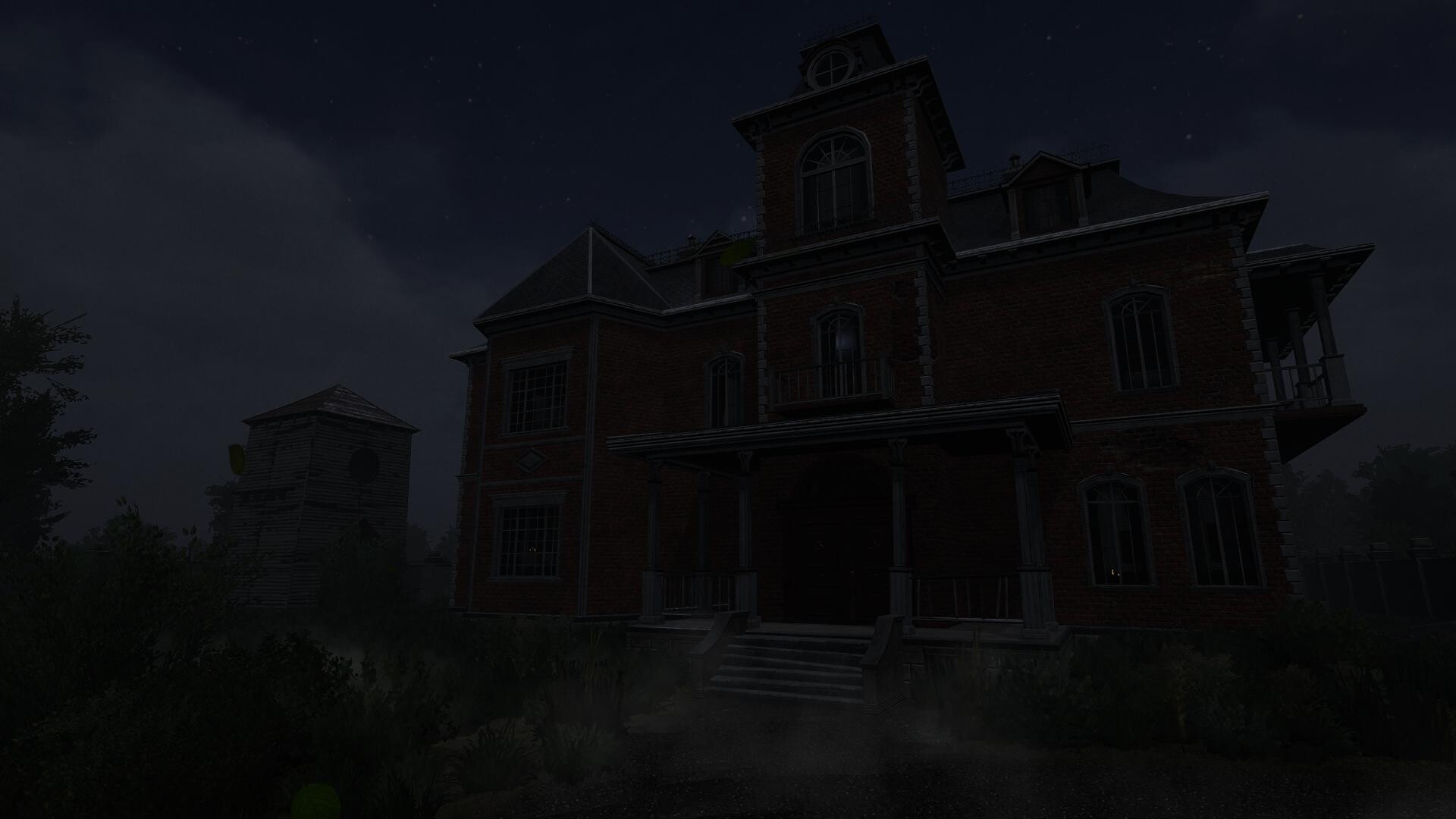
Trace of the Villa centers on Jin’s search for his missing sister. Official Steam material describes a mansion “cut off from the grid” where rooms feel “less abandoned than erased.” Restoring power to the estate unlocks secured systems, hidden compartments, and safes that yield manifests, encrypted documents, and suspicious transfer records. The narrative threads suggest an operation that masked identities and movements; progression comes from uncovering those layers rather than from scripted scare beats.
When and where
Trace of the Villa released on 28 May, 2026 and is available on Steam for PC. View the Steam page to wishlist or buy:
Why the theme matters — restraint as design
There’s an important distinction in modern horror between intensity and cultivation. Games that favor quiet tension trade the adrenaline of surprise for the longer-lasting discomfort of uncertainty: unanswered questions, half-understood systems, and physical spaces that imply stories have been excised. Trace of the Villa’s premise — missing records, emptied identities, and documents that point to systematic concealment — pushes players to infer narrative meaning from objects and systems, which amplifies unease long after a scene ends.
How you progress: clue-driven exploration and puzzle work
Progress in Trace of the Villa is explicitly tied to investigation: restoring power, getting secured systems back online, unlocking hidden compartments, opening safes, and decrypting fragments of documents. Those mechanics are the game’s pacing tools — each solved puzzle reveals another layer of the mansion’s institutional secrecy. The presence of categories like Playable without Timed Input and Subtitle Options suggests the experience emphasizes thoughtful reading and analysis over reflex-based mechanics.
| Title | Trace of the Villa |
|---|---|
| Steam App ID | 3483660 |
| Release date | 28 May, 2026 |
| Developer / Publisher | Steadyturtle Co., Ltd. |
| Genres | Action, Adventure, Indie |
| Categories | Single-player; Color Alternatives; Custom Volume Controls; Playable without Timed Input; Subtitle Options; Family Sharing |

Comparison: where Trace of the Villa sits against familiar titles
| Title | Release | Core focus / tone | Puzzle / exploration emphasis | Pacing |
|---|---|---|---|---|
| Trace of the Villa | 28 May, 2026 | Investigation-led mansion mystery, psychological tension | Document-driven puzzles, restoring systems, hidden compartments | Slow-burn, clue-driven |
| Amnesia: The Dark Descent | 8 Sep, 2010 | Immersion and discovery in first-person survival horror | Exploration and environmental puzzles with a heavy emphasis on atmosphere | Slow to intense—sustained dread with spikes |
| SOMA | 21 Sep, 2015 | Sci-fi psychological horror that questions existence | Puzzle-solving combined with narrative exploration of systems | Measured, narrative-driven |
| Layers of Fear (2016) | 15 Feb, 2016 | Psychological, gallery-like Victorian mansion; storytelling-focused | Environmental puzzles that reshape space and narrative | Slow, atmospheric, episodic |
| Layers of Fear (2023) | 15 Jun, 2023 | Collected/expanded release of the first-person psychological horror | Focus on narrative chapters and escalating surrealism | Variable—chapter-based pacing |
| Poppy Playtime | 12 Oct, 2021 | Horror/puzzle adventure in an abandoned factory; tool-driven mechanics | Puzzles using the GrabPack and environmental problem solving | Puzzle-action hybrid with tense set pieces |
Player scenarios — who should wishlist it
YouTube discovery
For trailer and gameplay discovery, use YouTube search rather than relying on unverified embeds: Find Trace of the Villa trailer and gameplay searches on YouTube.
Reader decision checklist
Use this checklist before deciding whether Trace of the Villa belongs on your Steam wishlist. The game is most relevant if you enjoy reading environmental evidence, following document trails, inspecting rooms for small inconsistencies, and letting a mystery unfold through objects rather than exposition. It is less about instant spectacle and more about the slow pressure of a place that seems to have been deliberately erased.
SEO note for discovery-minded players
Players searching for atmospheric mystery adventure, clue-driven exploration, mansion mystery game, story-rich indie adventure, psychological investigation game, or narrative puzzle design are likely looking for the same core appeal: a PC game where the setting is not just a backdrop but the main source of evidence. Trace of the Villa fits that search intent because its official Steam premise centers on Jin, his missing sister, a remote mansion, restored systems, hidden compartments, safes, encrypted documents, and a trail of suspicious records.
Final player-fit summary
Wishlist Trace of the Villa if you want a slow investigation built around official Steam store elements: a 28 May, 2026 release from Steadyturtle Co., Ltd., a single-player PC/Steam mystery structure, official screenshots showing the mansion atmosphere, and a premise that uses the house itself as a puzzle box. The strongest fit is for players who prefer patience, observation, and narrative reconstruction over fast combat or loud horror beats.
Leave a Reply