
Trace of the Villa and the Power of Quiet Dread
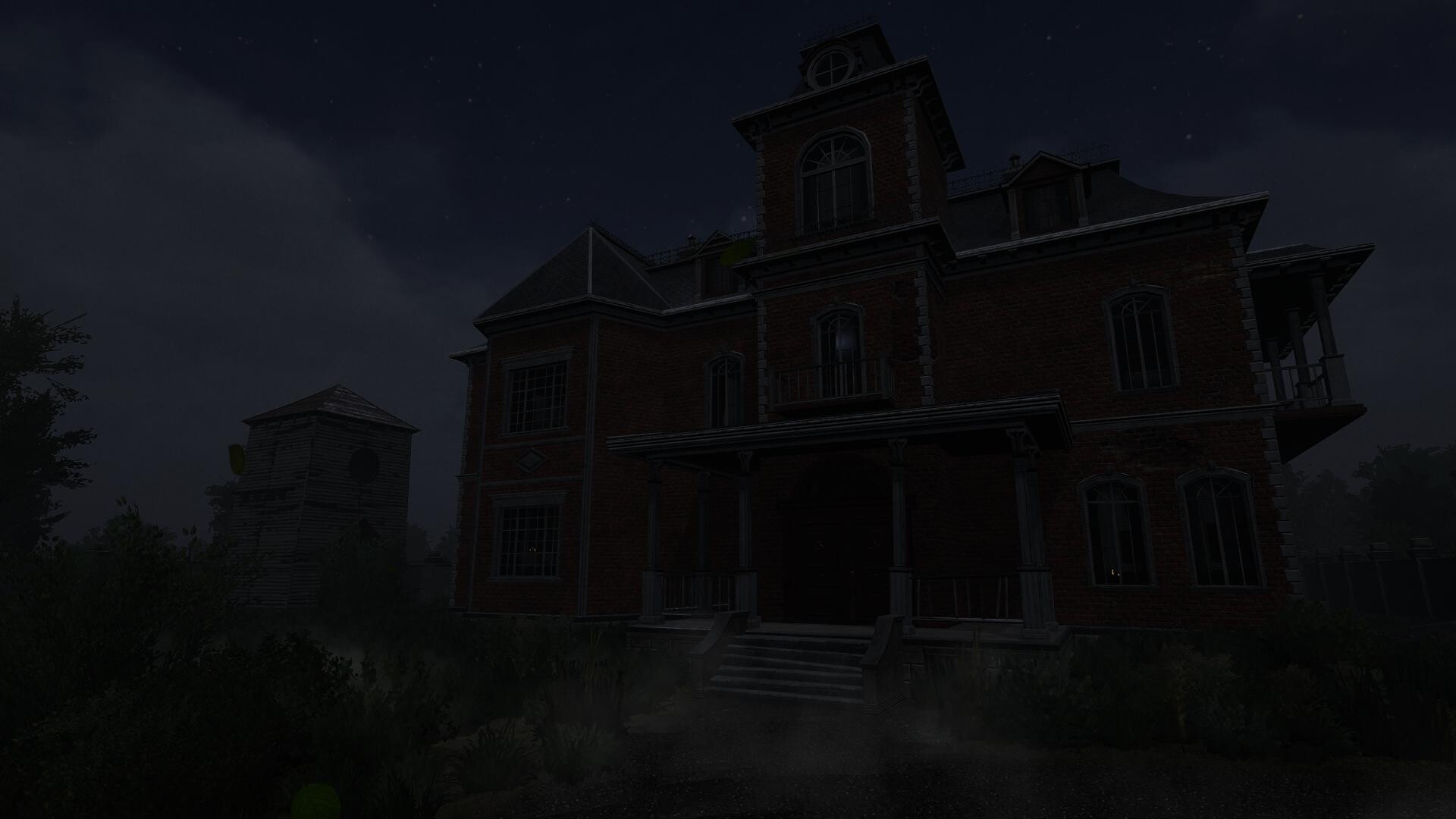
Trace of the Villa (Steadyturtle Co., Ltd.) is a slow-burn, story-rich adventure about Jin’s search for his missing sister, set inside a remote, decaying mansion where the house itself becomes the antagonist. Rather than leaning on jump scares, the game foregrounds environmental dread: furnished rooms that feel “erased,” sealed systems that hum back to life, and silence thick enough to make every sound — a creak, a distant fan, a humming fuse box — feel consequential.

Quick facts
| Title | Trace of the Villa |
|---|---|
| Developer / Publisher | Steadyturtle Co., Ltd. |
| Release date | 28 May, 2026 |
| Genres | Action, Adventure, Indie |
| Steam categories / accessibility | Single-player; Color Alternatives; Custom Volume Controls; Playable without Timed Input; Subtitle Options; Family Sharing |
| Official premise | Jin searches a remote, decaying mansion for his missing sister; restoring power and unlocking systems reveals encrypted records, falsified identities, and a concealed operation. |
| Steam page | Trace of the Villa on Steam |
Who should wishlist this
If you prefer slow-burn suspense over adrenaline shocks, Trace of the Villa is aimed at players who prize atmospheric mystery adventure and environmental storytelling. This is for people who enjoy reading a room — following signs of past occupancy, piecing together redacted records, and letting silence and texture do the heavy lifting in building unease.
What the game is
Officially presented as a narrative investigation, Trace of the Villa casts you as Jin, following manifests and hints through an estate cut off from the grid. The mansion’s design — furnished but identity-less rooms, locked doors, and secured systems that only reveal fragments when power is restored — suggests a gameplay loop centered on exploration, puzzle-driven discovery, and piecing together a timeline from environmental clues rather than explicit exposition.

When and where
Trace of the Villa launched on Steam on 28 May, 2026. It’s presented as a PC Steam indie release by Steadyturtle Co., Ltd.; check the Steam page for system requirements and the latest patch notes.
Why quiet tension and uncertainty matter more than shock claims
Shock-centric horror often trades long-term tension for immediate peaks. Trace of the Villa appears to commit to a different economy: environmental dread seeded in room composition, in the absence of names and photographs, in locked doors that imply things intentionally kept from memory. Those details create cumulative anxiety — the kind that lingers after you remove your headphones — because uncertainty becomes the player’s primary antagonist. Small, sustained discomfort makes later discoveries feel earned rather than theatrically timed.
How progress and clues work
The official description notes key mechanical beats: restoring power to the estate, reactivating secured systems, unlocking hidden compartments, and reading fragments from safes and manifests. Expect a clue-driven approach where each recovered document or reactivated device narrows timelines and exposes falsified identities and financial threads. Accessibility tags such as subtitles, custom volume controls, color alternatives, and “playable without timed input” suggest the designers have considered pacing and clarity for investigative players.
Player scenarios — will you enjoy it?
- Scenario A — You love atmospheric investigations: If you enjoy tracing a narrative through objects and audio logs rather than being told everything, this will likely fit your playstyle.
- Scenario B — You prefer methodical puzzle work: The game’s emphasis on secured systems and safes points to puzzle beats that reward patience and attention to detail.
- Scenario C — You want nonstop action: This is probably a mismatch; Trace of the Villa focuses on tension accumulation rather than fast-paced combat or constant shock moments.
- Scenario D — Accessibility-conscious players: With subtitle options, custom volume controls, and non-timed input settings listed on Steam, this title is better positioned than many indie horror releases for players who need control over pacing and sensory settings.
How it compares (editorial discovery)
Below is a concise, side-by-side comparison to nearby titles in psychological and atmospheric horror. This is a neutral editorial look at tone, puzzle emphasis, and pacing to help you decide if Trace of the Villa matches your preferences.
| Title | Genre / Setting | Atmosphere | Puzzle / Investigation Focus | Exploration Style | Pacing / Tone | Good for players who… |
|---|---|---|---|---|---|---|
| Trace of the Villa | Action / Adventure / Indie — mansion investigation | Environmental dread, silences, unsettling rooms | Clue-driven, reactivating systems, safes and manifests | Room-by-room forensics, narrative puzzle loops | Slow-burn, investigative, introspective | Prefer atmospheric mystery and reading spaces for clues |
| Amnesia: The Dark Descent | Action / Adventure / Indie — first-person survival horror | Immersion and dread through vulnerability | Puzzles with resource and sanity management elements | Linear, tension-driven corridors and rooms | Relentless dread with survival mechanics | Enjoy immersive, vulnerability-based tension |
| SOMA | Action / Adventure / Indie — sci-fi, underwater | Existential, claustrophobic, atmospheric | Document recovery and environmental puzzles tied to story | Exploration of complex facilities and narrative spaces | Slow, contemplative, philosophical horror | Like narrative-heavy sci-fi and moral ambiguity |
| Layers of Fear (2016) | Adventure / Indie — Victorian mansion, painter | Psychological, surreal, shifting architecture | Environmental puzzles tied to narrative and memory | Mutable spaces that change as you progress | Psychological, hallucinatory, chaptered pacing | Prefer surreal, mind-bending mansion stories |
| Poppy Playtime | Action / AdventureYouTube discoveryFor trailer and gameplay discovery, use YouTube search rather than relying on unverified embeds: Find Trace of the Villa trailer and gameplay searches on YouTube. CommentsMore posts |
Leave a Reply