Trace of the Villa: why quiet tension and unsettling rooms matter more than jump scares
Trace of the Villa places you in Jin’s shoes—an investigator whose search for a missing sister leads to a ramshackle mansion where the silence feels deliberate and the rooms look like people evaporated mid-routine. The game trades loud shocks for environmental dread: restoring power, unlocking safes, and reading manifests reveal a patient, layered mystery that depends on what the house says when it finally breathes again.

What the game is
Trace of the Villa is a story-rich, clue-driven exploration set-piece released on Steam on 28 May, 2026 by Steadyturtle Co., Ltd. It sits in the Action / Adventure / Indie mix on Steam and is presented as a single-player, exploration and puzzle experience with accessibility options including subtitle support and custom volume controls.
The premise is concrete in the official short description: Jin has spent years searching for his missing sister and finds manifests and hints in a remote, decaying mansion that suggest she may still be alive. Gameplay elements described on the Steam page emphasise restoring power, uncovering encrypted documents, safes, and a timeline built from fragments rather than outright exposition.
Who, when and where
Who: Players who prefer slow-burn psychological investigation — those who enjoy piecing together narrative through environmental storytelling rather than combat or frequent jump-scare pacing.
When & Where: Trace of the Villa released on Steam on 28 May, 2026 and is available on PC via its Steam store page. The developer and publisher are both listed as Steadyturtle Co., Ltd.
Why quiet tension, silence and room design matter
Environmental dread works by withholding certainty. In Trace of the Villa the mansion’s staged domesticity—furnished rooms, personal items, locked doors with no names—creates cognitive dissonance. That mismatch between what a space looks like and what it communicates is the engine of psychological unease: the mind fills gaps the game deliberately leaves empty. Restoring power and watching systems click back to life is less about spectacle and more about the slow accrual of meaning, each recovered log or manifest nudging the player toward a larger, corrosive logic.
How you read clues and progress
Trace of the Villa frames progression around investigation and reconstruction. The Steam description notes Jin recovers manifests and hints, restores estate power, and uses returning systems and unlocked compartments to reveal encrypted documents and suspicious transfer records. Players advance by solving environmental puzzles, unlocking safes, and assembling fragments of falsified identities and financial trails into a timeline. The game emphasizes close inspection of rooms and the slow revelation of what was being hidden, rather than combat or reflex-based challenges.
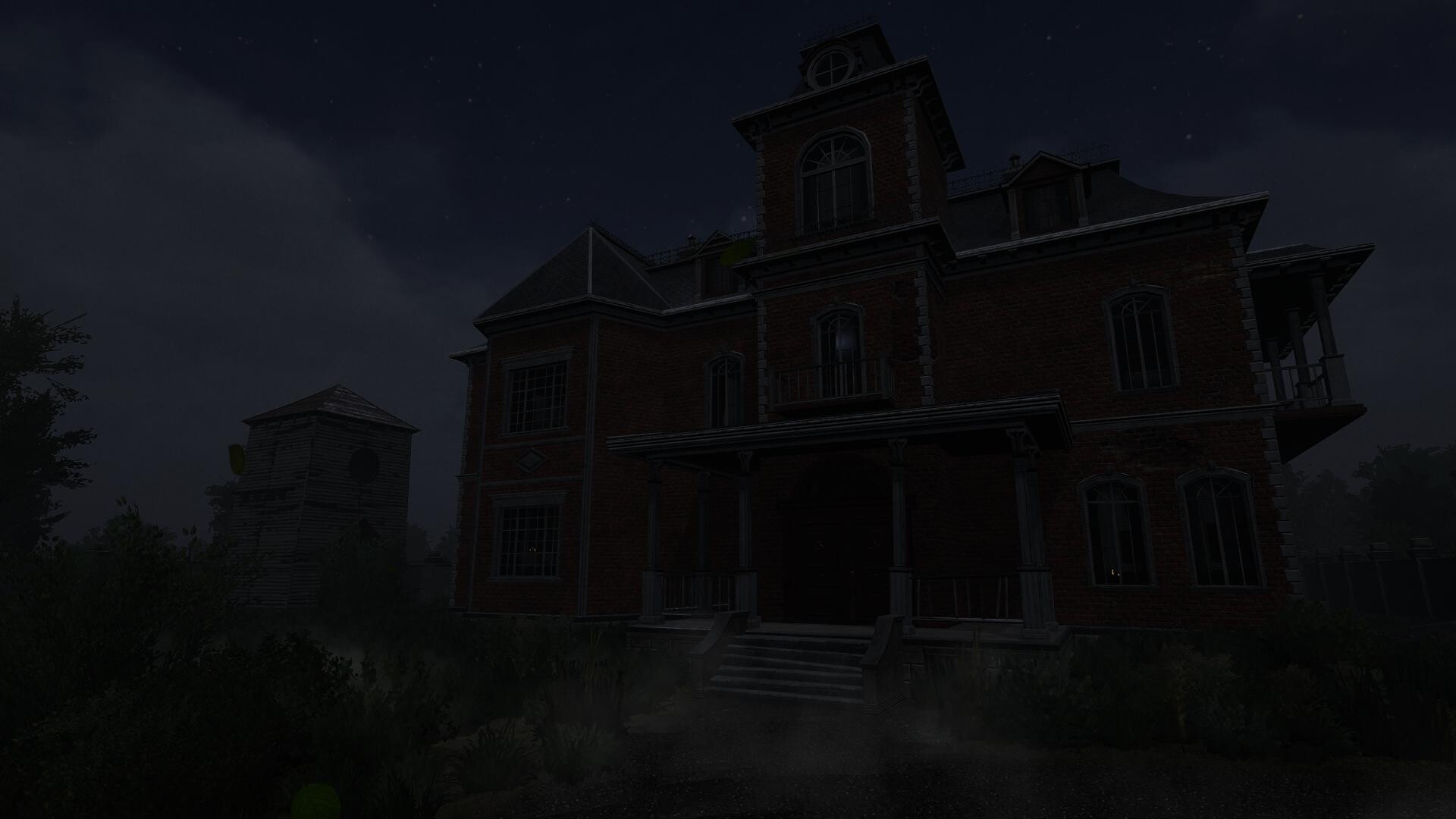
Visual taste: two screenshots

Quick facts
| Title | Trace of the Villa |
|---|---|
| Steam AppID | 3483660 |
| Release date | 28 May, 2026 |
| Developer / Publisher | Steadyturtle Co., Ltd. |
| Genres | Action, Adventure, Indie |
| Key categories | Single-player; Subtitle Options; Custom Volume Controls; Playable without Timed Input; Family Sharing |
Who should wishlist it — specific player scenarios
- If you favour investigation over combat: You value documents, power-systems, and puzzles that yield narrative information rather than enemy encounters.
- If atmospheric tension is your primary draw: You prefer slow-burn dread built from silence, staged rooms, and implication instead of frequent jump scares.
- If you like compiling timelines from fragments: You enjoy assembling clues—manifests, transfer records, encrypted files—into a coherent but disturbing picture.
- If you appreciate accessibility options: The Steam page lists subtitle support and custom volume controls, and the game is single-player focused.
Comparison: how Trace of the Villa sits beside familiar titles
Editorial comparison on lawful criteria — genre, atmosphere, puzzle focus, exploration style, story tone, and pacing.
| Title | Genre / Tone | Puzzle & Exploration | Pacing | Notable reference points |
|---|---|---|---|---|
| Trace of the Villa | Action / Adventure / Indie — mansion mystery, investigative tone | Clue-driven: manifests, safes, restored systems; environmental puzzles | Slow-burn, investigative | Emphasises room design, staged domesticity and withheld identity |
| Amnesia: The Dark Descent | Action / Adventure / Indie — survival horror, immersion-focused | Puzzle and stealth with heavy immersion and sanity mechanics | Atmospheric but often urgent; survival tension | High emphasis on immersion and existential dread |
| SOMA | Action / Adventure / Indie — sci-fi horror, philosophical tone | Exploration with narrative puzzles and document reading | Measured, contemplative; sustained narrative tension | Underwater setting, existential questions about identity |
| Layers of Fear (2016) | Adventure / Indie — psychological, shifting mansion | Environmental puzzles in a changing house; storytelling via space | Variable; leans into unsettling, disorienting progression | Focus on atmosphere, unreliable architecture and art-driven madness |
| Poppy Playtime | Action / Adventure / Indie — puzzle-horror with set-piece encounters | Puzzle mechanics tied to gadgets and immediate threats | More frequent tension peaks and set-piece scares | Factory setting, toy-based antagonists and puzzle tools |
How Trace of the Villa differs: compared with the listed titles, it appears to foreground the forensic return of systems and documents inside a deliberately erased domestic space. If you prefer contemplative puzzle investigation and room-based storytelling over on-rails scares or combat, this is the editorial flavour the Steam page suggests.
Trailer & gameplay discovery
For trailers and gameplay clips, try this YouTube search path (search results may include community-uploaded footage): YouTube: Trace of the Villa trailer & gameplay.
Where to get it
View the Steam store page and wishlist Trace of the Villa here:
Leave a Reply