
Trace of the Villa — a slow-burn, clue-driven mansion mystery for narrative puzzle players
Trace of the Villa casts you as Jin, a man following faint manifests and hints through a decaying, deliberately forgotten mansion to find his missing sister. The game foregrounds clue reading, object logic, and layered story puzzles as the route from atmospheric investigation to disturbing revelations.

Quick facts
| Title | Trace of the Villa |
|---|---|
| Steam AppID | 3483660 |
| Release date | 28 May, 2026 |
| Developer / Publisher | Steadyturtle Co., Ltd. |
| Genres | Action, Adventure, Indie |
| Categories (Steam) | Single-player; Color Alternatives; Custom Volume Controls; Playable without Timed Input; Subtitle Options; Family Sharing |
| Official short description | “Jin has spent years searching for his missing sister, pursuing leads that took him to a remote, decaying mansion where he recovered manifests and hints that indicate his sister may still be alive, somewhere at the end of the trail he is about to follow.” |
What the game is
Trace of the Villa is a narrative puzzle adventure on Steam where investigation and environmental storytelling carry the weight of the experience. The Steam description frames the game as a personal investigation: you search a mansion cut off from the grid, restore power, open locked doors, and recover encrypted documents and manifests. Those recovered fragments are the game’s connective tissue — the puzzles are not only obstacles but the method by which the plot and the house reveal themselves.
When and where
Trace of the Villa launched on Steam on 28 May, 2026. It’s published and developed by Steadyturtle Co., Ltd., and listed under Action, Adventure, and Indie on the Steam store. The Steam page lists accessibility and comfort features such as subtitle options, color alternatives, and “playable without timed input,” which help define who can comfortably play its style of narrative puzzle exploration.
Why the mansion mystery matters here
The game’s premise — a mansion that feels “less abandoned than erased,” with rooms frozen mid-routine and identities wiped from records — sets up a particular kind of puzzle appetite. Narrative puzzle adventures trade fast reflexes for patience and piecing-together: the stakes are emotional (finding a missing sister) as well as investigative (uncovering falsified identities, suspicious transfers, and a concealed operation). That tone steers the puzzles toward interpretation and inference, not trial-and-error spectacle.
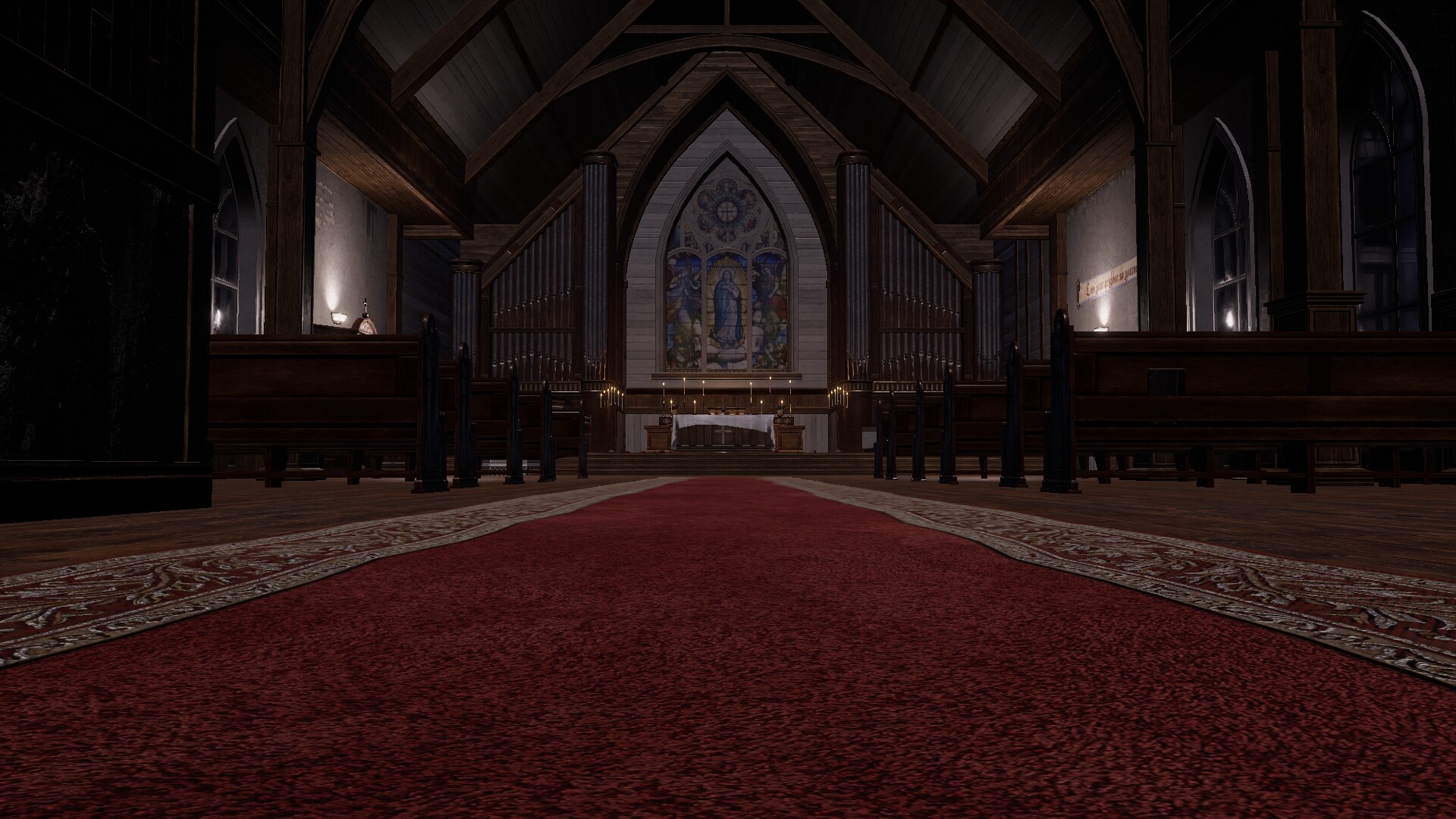

How clue reading, object logic, and story puzzles shape play
Trace of the Villa uses discovery as both narrative and mechanical progression. The Steam description explicitly notes mechanics and moments that inform how you move forward:
- Restoring power to the estate reactivates secured systems and unlocks new puzzle layers — power is a gate that converts exploration into access.
- Safes and hidden compartments yield fragments of encrypted documents and manifests; those fragments act as clues you must read and reconcile with the environment.
- Evidence includes suspicious transfer records, falsified identities, and other records that, when combined, create a timeline and suggest how people moved through the property.
Those design choices point to an experience where puzzles are interpretive: you assemble meaning from objects, corroborate paper trails with physical spaces, and use logical deduction to move the story forward. Because the game advertises “playable without timed input,” the emphasis is on careful reading and patient problem-solving rather than on dexterity.
Who this fits — player scenarios
If you’re deciding whether Trace of the Villa should be on your wishlist, consider these concrete player scenarios:
- You like slow-burn suspension and atmospheric mystery: you prefer mood, silence, and implication over action-heavy sequences.
- You enjoy investigative puzzles that reward careful note-taking and cross-referencing — reading manifests, comparing documents, and connecting evidence to rooms.
- You value accessibility options like subtitles and color alternatives and want a story-rich single-player experience without timed challenges.
- You want a narrative where the act of solving puzzles is the primary way plot details are revealed, not just decoration for combat or platforming.
How it compares — editorial snapshot
| Title | Puzzle focus | Atmosphere / Tone | Exploration style | Pacing & Player fit |
|---|---|---|---|---|
| Trace of the Villa | Clue reading, object logic, encrypted documents and manifests recovered from a mansion | Slow-burn, unsettling, investigative, personal (search for a missing sister) | Environment-driven exploration, restoring systems to unlock new layers | Deliberate pace; suits players who prefer narrative puzzle investigation and accessibility options |
| The Room | Mechanical puzzles and tactile safe/lock puzzles | Mysterious, intimate, puzzle box tone | Focused, single-location puzzle chamber exploration | Strong for players who love handcrafted mechanical puzzles and tactile interactions |
| The Room Two | Expanded mechanical and atmospheric puzzle design with episodic locales | Cryptic, atmospheric, often uncanny | Sequence of tightly designed puzzle environments | Works for players who enjoy layered, handcrafted puzzles across varied settings |
| Escape Simulator | Highly interactive object puzzles; physical manipulation of items | Casual to playful; room-focused | Room-by-room escape room structure, physics-driven interaction | Best for players who like hands-on puzzle manipulation and cooperative play options |
| Unpacking | Zen, object-placement puzzles that reveal narrative through possessions | Quiet, reflective, domestic | Room organization and storytelling through items | Appeals to players who like low-pressure, narrative-through-objects pacing |
YouTube discovery
If you want quick access to trailers and gameplay footage, use this YouTube search path (search results may include trailers and player videos; not all are official): Trace of the Villa — YouTube search.
Final decision guide
Choose Trace of the Villa if you prioritize atmospheric mystery, patient clue reading, and puzzles that reveal story rather than interrupt it. If you prefer tightly crafted lock-and-key mechanical puzzles like The Room, or physics-driven cooperative puzzling like Escape Simulator, your tastes will shift how satisfying Trace of the Villa’s narrative-first approach feels. The Steam page lists features that make the game approachable (subtitle options, color alternatives, playable without timed input), which aligns with a contemplative, single-player investigation rather than fast-paced action.
Steam page: Trace of the Villa on Steam
Referenced titles and trademarks belong to their respective owners. Comparisons here are editorial discovery and not endorsements.
Leave a Reply