
Trace of the Villa: when restoring power becomes the puzzle loop
Trace of the Villa (Steadyturtle Co., Ltd., released 28 May, 2026) frames its mystery around a single mechanical rhythm: get the lights back on, and the house starts to tell you what happened. That restoration-of-power loop—reactivating systems, opening hidden spaces and piecing together fragments of evidence—turns environmental reading and locked-room thinking into the game’s primary investigative tools.

Quick facts
| Title | Trace of the Villa |
|---|---|
| Developer / Publisher | Steadyturtle Co., Ltd. |
| Release date | 28 May, 2026 |
| Steam appid | 3483660 |
| Genres | Action, Adventure, Indie |
| Key Steam categories | Single-player; Color Alternatives; Custom Volume Controls; Playable without Timed Input; Subtitle Options; Family Sharing |
| Official short premise | Jin follows leads to a remote, decaying mansion where manifests and hints suggest his missing sister may still be alive. |
Who is this for?
Trace of the Villa will appeal to players who prefer methodical, clue-driven exploration over twitch reflexes. If you enjoy environmental storytelling and building chains of inference—finding one fragment that explains why another locked door exists—this game is pitched at you. The Steam categories (single-player, playable without timed input, subtitle options) also point to a deliberate, accessibility-minded experience rather than frantic action-only gameplay.
What the game is (and how it plays into classic escape-room design)
At its core Trace of the Villa is an atmospheric mystery adventure centered around Jin, who investigates a mansion cut off from the grid. The official description makes a specific loop the mechanical backbone: when Jin restores power to the estate, secured systems come back online, hidden compartments unlock, and safes yield fragments—encrypted documents and suspicious records—that the player must assemble into a timeline.
That loop maps cleanly to escape-room design principles:
- Locked-room thinking: closed-off areas and secured systems force you to treat each room as a node with entry conditions.
- Clue chains: a newly powered terminal or unlocked safe provides a new datapoint that justifies searching a different part of the mansion.
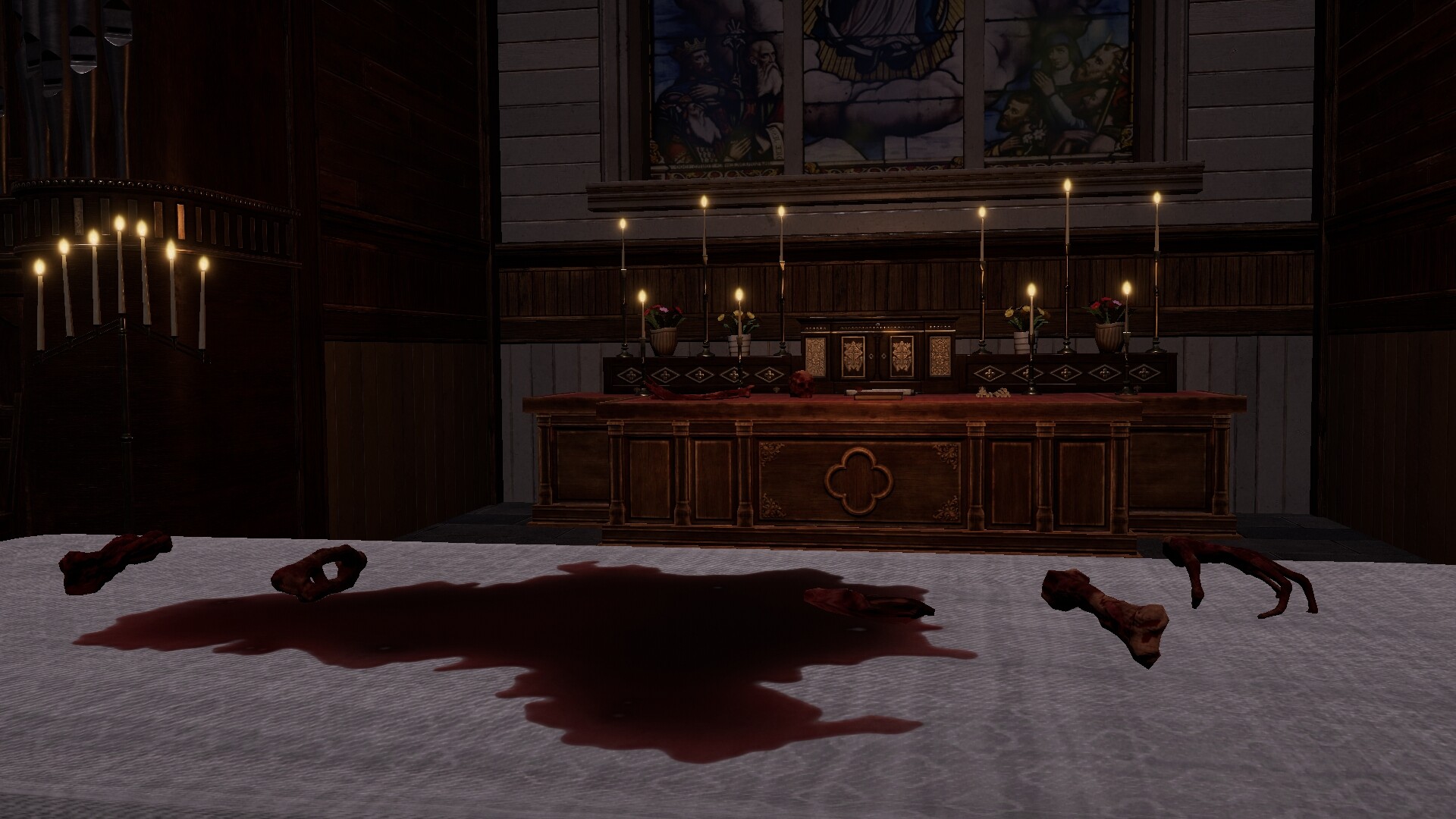
- Environmental reading: the mansion’s staged, mid-routine rooms supply non-verbal hints and motivators—what was left, what was removed, and how spaces were used.
When and where — Steam context
Trace of the Villa is available on Steam with a release date of 28 May, 2026. The Steam page lists developer and publisher as Steadyturtle Co., Ltd., and places the game in Action / Adventure / Indie genres with single-player-focused categories and accessibility options that support a puzzle-forward pace.
Why the theme matters: evidence, erasure, and the mansion as machine
The mansion in Trace of the Villa is not just a backdrop; its systems and seals are the narrative engine. According to the official description, identities appear deliberately removed, and the evidence you recover suggests a broader, concealed operation: falsified identities, financial trails that lead nowhere, and arrivals/departures masked from record. That framing makes every restoration of power a small moral excavation—you don’t just open rooms, you reveal the bureaucratic scaffolding that made the place function.
How you progress: practical reading tips for players
Progress hinges on linking physical and informational discoveries. Expect to:
- Prioritize restorative tasks. Reactivating breakers, generators, or terminals will usually be the key to opening new investigative avenues.
- Treat fragments as connectors. Encrypted documents and manifests are often incomplete; use them to corroborate what you see in rooms rather than as stand-alone answers.
- Read the environment like a timeline. Staged rooms—furnishings, missing personal items, locked safes—are cues to sequence events rather than purely decorative details.
Player scenarios: who should wishlist this now
The methodical investigator
Enjoys slow-burn mysteries, reconstructing timelines from partial records, and appreciating atmosphere. If you prefer puzzles that reward patient note-taking and cross-referencing documents with environment, this will fit your loop.
The environmental storyteller
Likes games where the setting contains the plot. If you value rooms that feel lived-in (or deliberately un-lived-in) and want story beats revealed through objects and systems rather than exposition, wishlist it.
The escape-room fan who wants narrative
Would play puzzle boxes and escape rooms, but also wants the puzzles to feed a larger conspiracy rather than just close a door. The power-restoration mechanic ties puzzle resolution directly into story beats.

How Trace of the Villa compares to similar mystery/puzzle experiences
Below is a concise editorial comparison that focuses on puzzle style, atmosphere, exploration, and pacing—criteria that matter if you’re choosing between escape-room-like titles and story-driven puzzle adventures.
| Title | Core puzzle style | Atmosphere / story tone | Exploration | Pacing |
|---|---|---|---|---|
| Trace of the Villa | Clue chains unlocked by restoring systems, safes, encrypted fragments | Slow-burn mansion mystery; evidence and erasure | Single-player, room-to-room investigation across a sealed estate | Deliberate; restoration-based loops |
| The Room | Mechanical puzzle boxes and tactile lock puzzles | Cryptic, intimate mystery centered on a single room | Focused to a single space or object at a time | Measured; puzzle-box revelations |
| The Room Two | Expanded mechanical puzzles with location changes | Mysterious and ritualistic; broader locales than the original | Room-to-room but still puzzle-box-centric | Methodical; puzzle progression drives exploration |
| Escape Simulator | Highly interactive escape-room mechanics; object manipulation | Varied, often playful; community-made rooms broaden tone | Multiple discrete rooms; solo or co-op options change approach | Variable; many rooms are faster, focused on immediate solutions |
| Hi-Fi RUSH | Action and rhythm-based combat (not puzzle-focused) | Energetic, music-driven tone | Action-exploration rather than evidence-driven investigation |
Leave a Reply