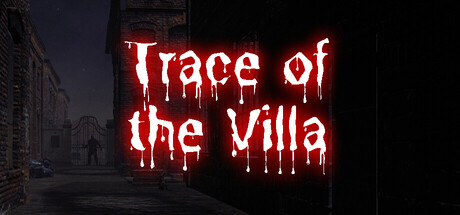
Who should consider Trace of the Villa after enjoying atmospheric mystery adventures
Trace of the Villa is a slow-burn, clue-driven investigation set in a decaying mansion where Jin follows manifests and encrypted records that may point to his missing sister. Released on 28 May, 2026 by Steadyturtle Co., Ltd., it positions itself as a narrative puzzle/adventure on Steam with an emphasis on environmental storytelling and document-based discovery.

Quick facts
| Title | Trace of the Villa |
|---|---|
| Release date | 28 May, 2026 |
| Developer / Publisher | Steadyturtle Co., Ltd. |
| Genres | Action, Adventure, Indie |
| Steam categories | Single-player; Color Alternatives; Custom Volume Controls; Playable without Timed Input; Subtitle Options; Family Sharing |
| Steam app | store.steampowered.com/app/3483660/Trace_of_the_Villa/ |
What the game is
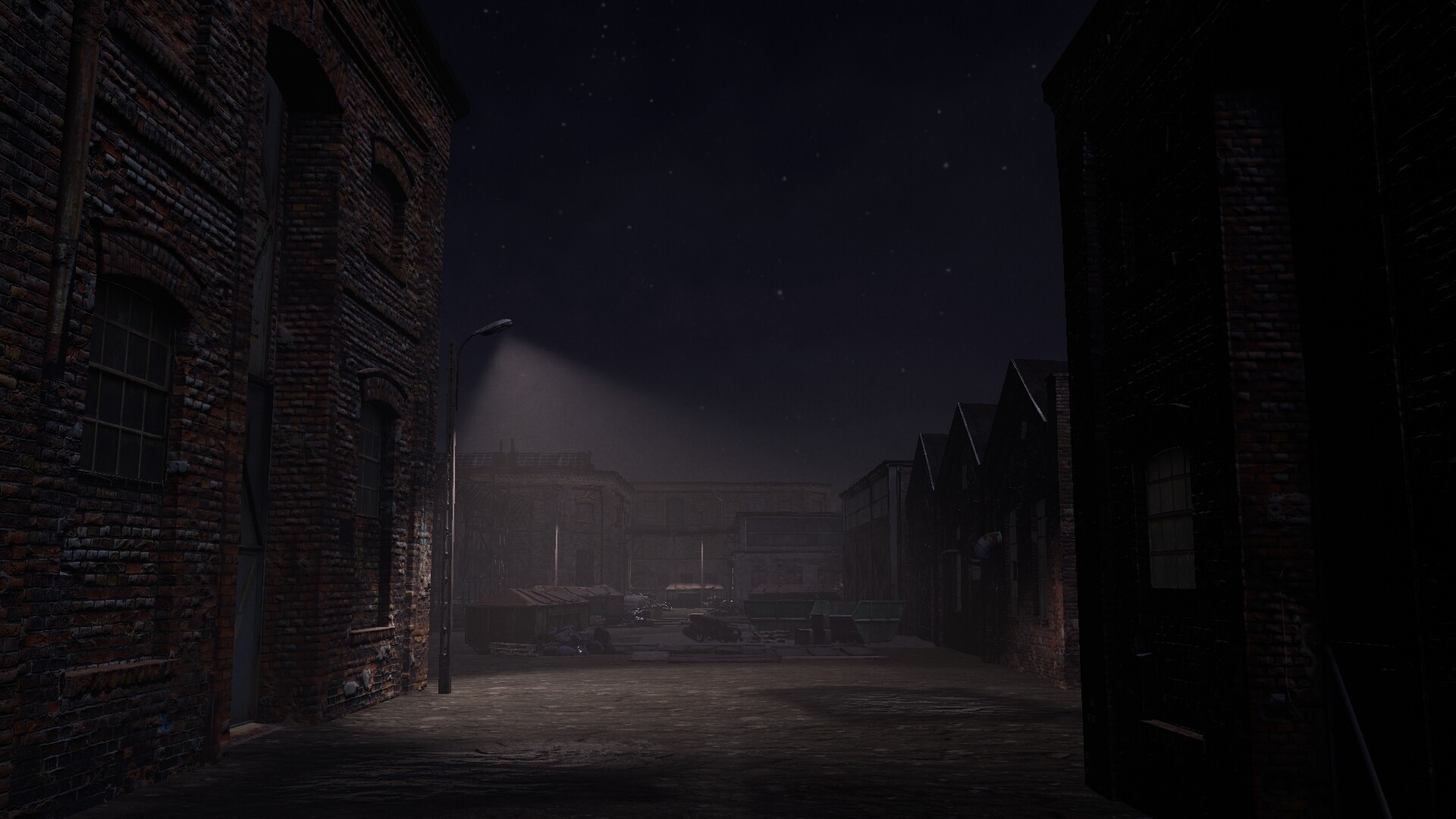
Trace of the Villa casts you as Jin, a searcher following a single lead to a remote, deliberately forgotten mansion. The house returns fragments of activity only after you restore power: safes, encrypted documents, transfer records and other manifests that together form a puzzle of identities and movements. The official description frames the experience as a personal investigation that layers financial and falsified-identity clues over an uncanny, lived-in-but-erased environment.

When and where
Trace of the Villa launched on Steam on 28 May, 2026. The Steam app ID is 3483660 and the store page is available for PC players — see the official Steam link below for wishlisting and system information.
Why this theme matters
If you value investigative adventure built around documents, rooms that tell stories, and uncovering hidden evidence rather than constant combat or timed reaction checks, Trace of the Villa aims at that niche. The premise—finding manifests, encrypted records and transfer trails inside a mansion where identities appear erased—points toward a game about piecing together timelines from fragmentary, forensic-style clues. That thematic focus shifts the satisfaction from jump scares or action setpieces toward reading, cross-referencing and making logical connections between found items and environmental hints.
How you progress
Progress appears to be driven by exploration, restoration of systems that unlock new data, and solving puzzles that open safes or reveal compartments. The official description emphasizes restoring power and retrieving encrypted documents and manifests; this suggests a loop where environmental access and recovered records feed each other. The Steam categories include “Playable without Timed Input” and “Subtitle Options,” signaling a measured, accessible pace focused on observation and deduction.
Who should wishlist or buy this
- Players who prefer document-forward mysteries over constant combat or timed reflex tests.
- Fans of mansion-set, atmospheric experiences that reward careful reading of rooms and items.
- Those who like slow-burn narrative puzzles where clues accumulate into a chain of evidence.
- PC players who want single-player, indie adventures with subtitle options and customizable controls.
Specific player scenarios
The methodical puzzle fan
If you enjoy following financial trails, encrypted fragments and manifests—details that require note-taking and cross-referencing—Trace of the Villa looks aimed at you. The game treats found documents as primary engines for narrative discovery.
The atmospheric explorer
If you buy into environmental storytelling—rooms staged as if occupants vanished mid-routine—and like piecing mood and implication together from set dressing, this mansion mystery will likely fit your tastes.
The player who prefers action mixed with investigation
The game is listed under Action and Adventure, so players who like occasional interactive sequences combined with clue-gathering may find a balance here, though the core emphasis in the official materials is investigative rather than twitch-driven.
How it compares to nearby mystery/adventure games
Below is a compact editorial comparison focused on atmosphere, puzzle focus, exploration style, story tone and pacing—so you can judge fit rather than rank quality.
| Title | Release | Core focus | Atmosphere / Tone | Puzzle / Exploration style | Pacing |
|---|---|---|---|---|---|
| Amnesia: The Dark Descent | 2010 | Immersive survival horror | Claustrophobic, dread-driven | First-person environmental puzzles, fear management | Slow-burn with sustained tension |
| SOMA | 2015 | Sci-fi horror, existential narrative | Bleak, introspective | Exploration-led with narrative puzzles | Measured, narrative-heavy |
| Layers of Fear (2016) | 2016 | Psychological mansion horror | Unsettling, surreal | Single-location puzzles and changing spaces | Psychological, fluctuating tempo |
| The Room | 2014 | Mechanical puzzle-box experience | Curiosity-driven, intimate | Focused, tactile puzzles with object inspection | Concentrated, puzzle-centric |
| Rusty Lake Hotel | 2016 | Point-and-click surreal puzzles | Darkly whimsical, eerie | Room-to-room puzzles with narrative vignettes | Short, vignette-paced |
Where to follow up
Search for trailers and gameplay clips on YouTube using this discovery link (useful for finding community captures and trailers; this search may return official and unofficial videos): YouTube: Trace of the Villa trailer & gameplay.
View Trace of the Villa on Steam
Disclaimer: Referenced titles and trademarks belong to their respective owners. Comparisons here are editorial discovery only, intended to help readers decide if Trace of the Villa matches their preferences.
Leave a Reply