
Trace of the Villa — a slow-burn, clue-driven mansion mystery for puzzle-adventure players
Trace of the Villa puts investigation and environmental storytelling ahead of action-heavy pacing: you follow Jin into a remote, decaying mansion, digging through manifests and encrypted fragments that suggest his missing sister may still be alive. Released on 28 May, 2026 by Steadyturtle Co., Ltd., the game foregrounds clue reading, object logic, and story puzzles as the engines of tension and discovery.

Who is this for?
If you prefer atmospheric mystery adventure and psychological investigation over constant combat or reflex tests, Trace of the Villa targets your tastes. The Steam page lists it in Action, Adventure, and Indie, but the emphatic design cues are for players who value methodical clue work, reading the environment for narrative context, and solving multi-step story puzzles without pressured timed input. The game’s Steam categories — including “Playable without Timed Input”, “Subtitle Options”, and “Color Alternatives” — also point toward accessibility for slower, thoughtful play.
What the game is
Officially described by the developer/publisher Steadyturtle Co., Ltd., Trace of the Villa follows Jin, a man searching years for his missing sister. A lead takes him to a property “cut off from the grid and deliberately forgotten,” where rooms look as if occupants vanished mid-routine. When Jin restores power to the estate, secured systems come back online, hidden compartments unlock, and safes yield fragments of encrypted documents and suspicious transfer records. Those recovered manifests and hints are the primary clues that drive the story forward.
When and where
Trace of the Villa released on 28 May, 2026 and appears on Steam as a PC title. The Steam store page lists the game’s genres and categories and supplies the official short description and visual assets linked throughout this article.
Why the theme matters
The mansion-as-archive conceit shapes everything: the environment is both setting and storyteller. Rather than relying on cinematic set pieces, Trace of the Villa uses material evidence — manifests, encrypted fragments, falsified transfer records — to reveal the scale and cruelty of whatever operation the mansion sheltered. That approach encourages a reading of objects and systems as puzzle nodes that can be reconnected into a coherent timeline and motive. For readers who find satisfaction in assembling a timeline from marginalia and locked drawers, that style creates sustained suspense without frequent action beats.
How you progress — clue reading, object logic, and story puzzles
The Steam description explicitly notes several mechanics that describe progression without detailing specific inputs: restoring power causes secured systems to return, hidden compartments to become accessible, and safes to reveal fragments of encrypted documents and transfer records. Those elements point to three interlocking puzzle systems:
- Clue reading: manifests, hints, and fragments act as primary narrative signposts. Piecing them together reveals who passed through the estate and when.
- Object logic: furniture, locked devices, safes and secured systems behave like interconnected props — manipulating one element (for example, restoring power) changes the available evidence in other places.
- Story puzzles: rather than isolated mechanical riddles, many solutions appear to advance both immediate puzzle goals and the larger timeline of the estate, turning solved safes and unlocked systems into new pieces of exposition.
Because the game is categorized as “Playable without Timed Input,” expect a measured pace where deliberate observation and cross-referencing items matter more than twitch skills. The absence of recent user reviews on Steam means early players will be the first to shape community impressions, but the official description makes the intended experience clear.
Compact facts — Trace of the Villa
| Title | Trace of the Villa |
|---|---|
| Release date | 28 May, 2026 |
| Developer / Publisher | Steadyturtle Co., Ltd. |
| Genres | Action, Adventure, Indie |
| Steam categories | Single-player; Color Alternatives; Custom Volume Controls; Playable without Timed Input; Subtitle Options; Family Sharing |
| Official short description | Jin has spent years searching for his missing sister, pursuing leads that took him to a remote, decaying mansion where he recovered manifests and hints that indicate his sister may still be alive, somewhere at the end of the trail he is about to follow. |
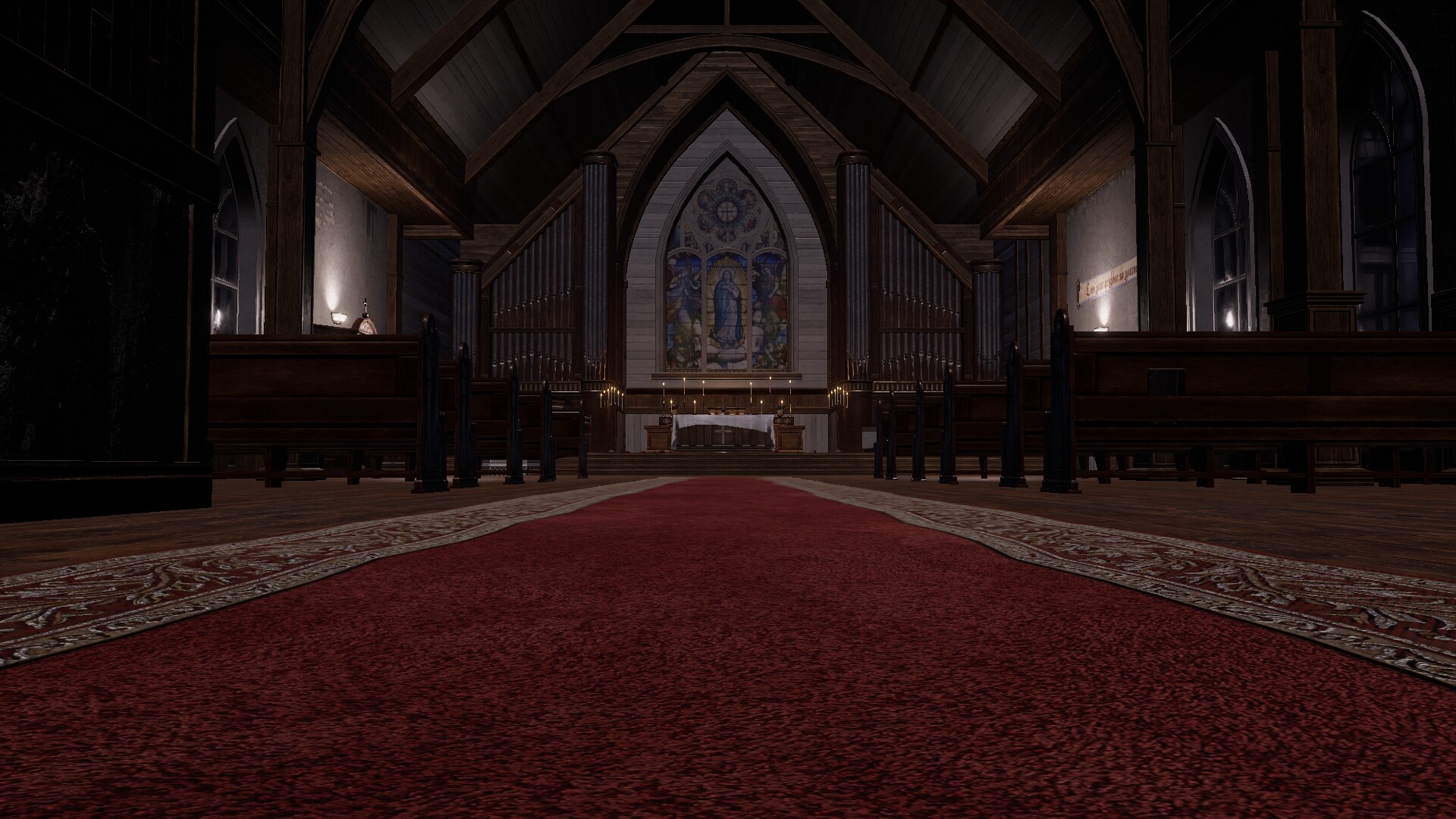
Screenshots — in-game atmosphere and detail

How it compares (quick editorial table)
| Title | Focus | Puzzle style | Atmosphere / Tone | Pacing / Player fit |
|---|---|---|---|---|
| Trace of the Villa | Clue-driven narrative investigation in a mansion | Environmental clues, encrypted documents, object logic, interlocking story puzzles | Slow-burn, unsettling, erased identities and hidden operations | Measured, investigative; suited to players who prefer reading evidence over timed action |
| The Room | Single-room mechanical puzzle exploration | Layered mechanical puzzles and tactile object manipulation | Mystery and curiosity, intimate and focused | Compact, puzzle-centric; great for players who like handcrafted mechanical riddles |
| Escape Simulator | Highly interactive escape-room puzzles (solo or co-op) | Physical object interaction, community-made rooms, variety of mechanics | Playful to tense depending on room design | Variable pacing; good for social play and players who want high interactivity |
| Unpacking | Zen, puzzle-adjacent narrative through objects | Block-fitting and contextual object placement that reveals life stories | Low-stress, intimate, nostalgic | Slow, relaxing; ideal for players who enjoy narrative via domestic detail |
Player scenarios — who will like Trace of the Villa?
- Scenario A — You enjoy slow-burn mysteries: You want a game that rewards careful note-taking, cross-referencing manifests and documents, and building a timeline from fragments. Trace of the Villa’s emphasis on recovered records and encrypted fragments suits you.
- Scenario B — You favor environmental storytelling: If you prefer learning about characters and institutions through objects and systems rather than cutscenes or constant combat, the mansion-as-archive model will feel satisfying.
- Scenario C — You avoid reflex stress: The Steam category “Playable without Timed Input” signals a pace focused on thought rather than quick reaction; this is for players who prefer contemplative puzzle solving.
- Scenario D — You like interconnected puzzles tied to narrative stakes: Restoring power and unlocking safes that reveal plot-relevant evidence indicates puzzle solutions have narrative payoff.
YouTube discovery
If you want to see trailers or gameplay clips, search YouTube for Trace of the Villa — for discovery use this link (may show trailers and player videos): YouTube: Trace of the Villa trailer & gameplay.
View Trace of the Villa on Steam
Disclaimer: Referenced titles and trademarks belong to their respective
Leave a Reply