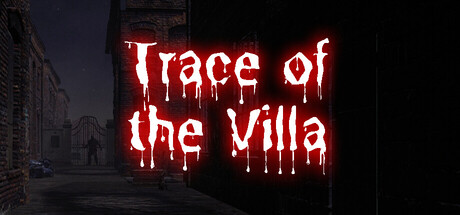
Trace of the Villa — a clue-driven mansion mystery for slow-burn puzzle players
Trace of the Villa is an atmospheric mystery adventure that centers on reading clues, piecing together object logic, and following story puzzles rather than firefights or fast reflexes. Released on 28 May, 2026 by Steadyturtle Co., Ltd., it casts you as Jin, a man reconstructing a fractured timeline inside a deliberately erased, decaying mansion.

Quick facts
| Title | Trace of the Villa |
|---|---|
| Steam appid | 3483660 |
| Release date | 28 May, 2026 |
| Developer / Publisher | Steadyturtle Co., Ltd. |
| Genres | Action, Adventure, Indie |
| Key Steam categories | Single-player; Color Alternatives; Custom Volume Controls; Playable without Timed Input; Subtitle Options; Family Sharing |
| Official premise | Jin searches a remote, decaying mansion where manifests and hints suggest his missing sister may still be alive. |
What kind of game is it?
Official text frames Trace of the Villa as a story-rich, investigative adventure that unfolds inside a deliberately forgotten property. The house is portrayed as “less abandoned than erased”: rooms frozen mid-routine, locked doors hiding secured secrets, and personal effects stripped of names and history. Gameplay emphasis—based on the description—is on restoring systems (when Jin restores power) and extracting fragments of evidence from safes and encrypted documents. That focus points to environmental storytelling and puzzle sequences that reveal layers of a hidden operation rather than run-and-gun action.

Who is it for?
- Players who prefer clue-driven puzzles and methodical investigation over action-heavy pacing.
- Fans of environmental storytelling and psychological investigation where reading manifests and decrypted fragments matters.
- PC players who want an indie adventure that supports accessibility options like subtitle options and playable without timed input.
When and where to play
Trace of the Villa launched on Steam on 28 May, 2026. It appears on the Steam store as a single-player indie title from Steadyturtle Co., Ltd., with visual assets and screenshots available on the game’s Steam page.
Why the clue-first approach matters
When a game prioritizes clues, object logic, and layered story puzzles, the player’s attention shifts from reflexes to inference. According to the official overview, Trace of the Villa rewards reconstruction: restoring power reactivates secured systems, safes yield fragments, and manifests point to patterns of falsified identities and masked movements. That methodical unspooling creates slow-burn suspense—each solved puzzle is evidence rather than spectacle.
How you progress — reading, assembling, and connecting
The official description lays out a clear progression loop: find traces and manifests, restore systems (power), unlock secured compartments and safes, then read and assemble fragments of encrypted documents and transfer records. Progress is narrative-first: new pieces of evidence recontextualize previous rooms and clues, creating an investigative rhythm where deduction unlocks both puzzles and story beats.
Player scenarios — would you enjoy this?
- Scenario A: You like slow, thoughtful mystery. You’ll appreciate extracting meaning from manifests, small physical clues, and decrypted fragments—the reward is context and revelation.
- Scenario B: You want accessibility. Steam categories list subtitle options and “playable without timed input,” so the pacing is likely forgiving to players who prefer considered play sessions.
- Scenario C: You prefer action-first horror or combat-heavy pacing. Trace of the Villa appears oriented around investigation and atmosphere rather than high-tempo action, so it may not match that preference.
How it sits against nearby puzzle/adventure titles
Below is a concise editorial comparison on lawful criteria—genre, atmosphere, puzzle emphasis, exploration style, story tone, and pacing—using publicly available summaries of comparable titles.
| Title | Genre / Atmosphere | Puzzle emphasis | Exploration / Pacing | Player fit |
|---|---|---|---|---|
| The Room | Adventure / Mystery; tactile, isolated chamber | Object-based mechanical puzzles, lock-and-key logic | Containable, puzzle-chamber pacing — deliberate | Players who like hands-on object puzzles and tight, focused scenarios |
| The Room Two | Adventure / Cryptic; broader locales with layered puzzles | Escalates mechanical and environmental puzzles | Expands exploration but remains puzzle-centric | Players who enjoyed The Room and want larger, interconnected puzzles |
| Unpacking | Casual / Reflective; domestic, slice-of-life atmosphere | Puzzle-as-context (placement and inference about a life) | Zen, low-pressure, narrative through objects | Those who enjoy story revealed via everyday items and low-stress puzzles |
| Escape Simulator | Adventure / Casual; interactive escape-room variety | Highly interactive, physics and item-based puzzle tools | Faster tempo in rooms; can be solo or cooperative | Players who want tactile interactions and replayable room design |
Editorially: Trace of the Villa sits closer to the slow, narrative-unfolding end of this spectrum—like The Room’s focus on object logic mixed with the investigative thread of environmental narrative—rather than the fast, tool-based interaction of Escape Simulator or the domestic calm of Unpacking.
YouTube discovery
If you want to see trailers or gameplay footage before wishlisting, try this YouTube search path (useful for finding trailers or gameplay clips; not a verified official video): Search Trace of the Villa trailers & gameplay on YouTube.
Where to wishlist / try
If the idea of reconstructing a timeline from manifests and encrypted fragments appeals to you, consider visiting the Steam page:
Disclaimer: referenced titles and trademarks belong to their respective owners. Comparisons above are editorial discovery only, focused on genre, atmosphere, puzzle style, exploration, pacing, and player fit.
Leave a Reply