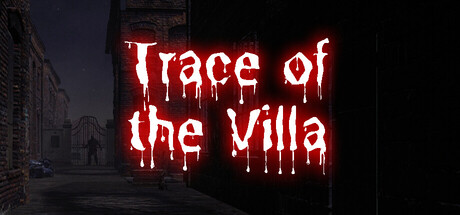
Trace of the Villa: why slow-burn, quiet tension still matters on Steam
Trace of the Villa strips psychological horror down to a forensic, almost domestic unease: Jin returns to a remote, decaying mansion chasing a lead on his missing sister, and the house only gives up its story one small, disquieting clue at a time. Released on 28 May, 2026 by Steadyturtle Co., Ltd., it leans into environmental storytelling and puzzle-driven exploration rather than jump scares.

| Title | Trace of the Villa |
|---|---|
| Release date | 28 May, 2026 |
| Developer / Publisher | Steadyturtle Co., Ltd. |
| Genres | Action · Adventure · Indie |
| Steam categories | Single-player · Color Alternatives · Custom Volume Controls · Playable without Timed Input · Subtitle Options · Family Sharing |
| Steam page | Trace of the Villa on Steam |
Who is this for?
This is for PC players who prefer atmospheric mystery adventure and story-rich investigation over reflex-based horror. If you enjoy psychological investigation that asks you to read small details in rooms, reconstruct timelines, and let dread grow through implication, Trace of the Villa is aimed at you. The game’s Steam metadata lists it as Action / Adventure / Indie and flags accessibility features like subtitles, color alternatives, and “playable without timed input,” which suggests a design that favors careful observation over twitch reactions.
What the game actually is
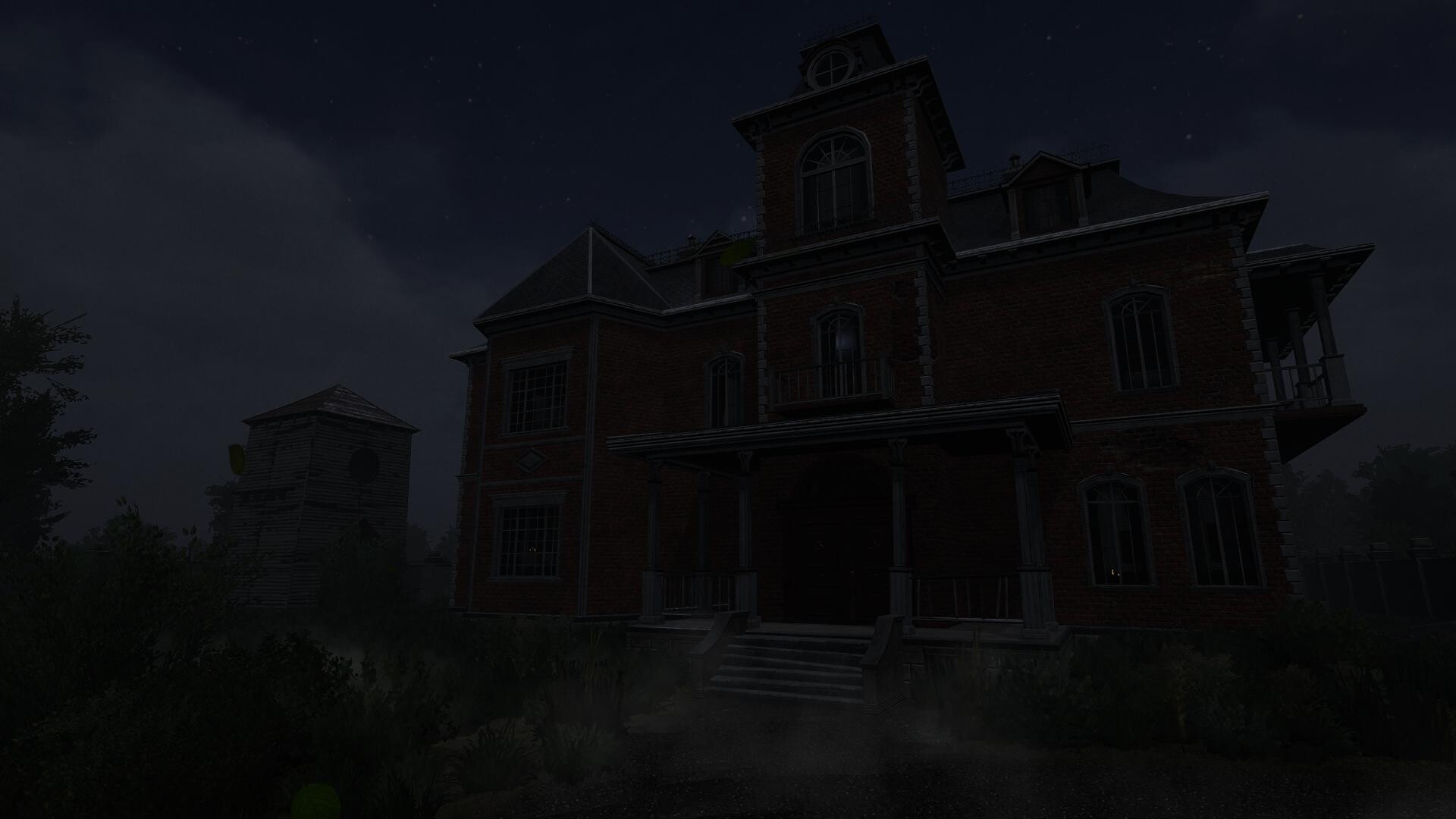
According to the official Steam description, Jin has been searching for his missing sister for years. A new lead points him to an isolated mansion that feels less abandoned than erased. Restoring power to the estate reveals secured systems, hidden compartments, and encrypted documents; every solved puzzle uncovers another layer of a concealed operation. The emphasis is on reconstructed histories—manifests, transfer records, and erasures of identity—more than on overt supernatural spectacle.
When and where to find it
Trace of the Villa launched on Steam on 28 May, 2026 and is developed and published by Steadyturtle Co., Ltd. It appears on the Steam storefront as an indie Action / Adventure experience with single-player and accessibility options noted in the store categories.
Why quiet tension and uncertainty matter here
Quiet tension relies on accumulation: a light left on in an otherwise sealed room, a page half-typed and abandoned, a security system that only returns pieces of its logs. Those small observables ask players to infer motive and sequence, turning curiosity into dread. In a mansion mystery built around falsified identities and financial trails, the emotional weight comes from the gradual realization of scale and intent—slow-burn suspense rewards patience in a way that repeated shocks cannot.
How you progress — reading the house
The Steam text makes the designer intent clear: progress comes from restoring systems, solving puzzles, and decrypting fragments that point down new paths. Environmental storytelling and narrative puzzle design are central—inspect rooms, reactivate technology, and assemble timelines from physical evidence. The game’s features (subtitles, no timed inputs) indicate an approach meant for close reading rather than fast reflexes, so expect clue-driven exploration and layered, interpretive puzzles rather than constant action sequences.
Player scenarios — who should wishlist it
- If you savor atmosphere-first horror: You value long, silent corridors, objects that imply a life interrupted, and revelations that arrive as slow clicks rather than bangs. Wishlist it.
- If you’re a puzzle-first explorer: You want narrative puzzles and forensics—documents, locked systems, and evidence chains that lead to more questions. The Steam listing’s focus on encrypted documents and hidden compartments fits this playstyle.
- If you prefer mechanical horror or fast-paced chases: The store listing and categories suggest Trace of the Villa leans into investigation and ambience rather than continuous combat or timed escape mechanics; consider whether slow-burn pacing matches your expectations.
How it differs from nearby mystery/puzzle games
Below is a concise editorial comparison focused on tone, puzzle focus, exploration style, and pacing—useful if you’re choosing between similar Steam experiences.
| Title | Tone / Atmosphere | Puzzle focus | Exploration style | Pacing |
|---|---|---|---|---|
| Trace of the Villa | Mansion mystery, forensic, quietly unsettling | Clue-driven puzzles, encrypted documents, systems restoration (store description) | Room-by-room environmental storytelling and evidence gathering | Slow-burn, investigative |
| Amnesia: The Dark Descent | Immersive, nightmarish first-person dread | Survival and environmental puzzles centered on immersion (store text) | Exploration that emphasizes continuous immersion in horror | Steady tension with occasional spikes |
| SOMA | Sci‑fi, existential, claustrophobic undersea atmosphere | Narrative puzzles and survival elements woven into a story that questions existence | Linear exploration through themed facilities and set pieces | Deliberate pacing that foregrounds narrative questions |
| Layers of Fear (2016) | Psychological, surreal Victorian mansion that shifts around the player | Story-driven puzzles tied to changing environments | Transforming rooms that reveal story via atmosphere and visual trickery | Intense, scene-based progression with psychological reveals |
| Poppy Playtime | Playful-turned-sinister toy-factory horror | Puzzle-adventure mechanics (GrabPack cited in store copy) used to navigate threats | Scripted factory environments with puzzle rooms and occasional chase set pieces | Brisker, more set-piece oriented |

YouTube discovery
For trailer and gameplay discovery, use YouTube search rather than relying on unverified embeds: Find Trace of the Villa trailer and gameplay searches on YouTube.
Leave a Reply