
Trace of the Villa — a missing-person investigation wrapped in a decaying mansion
Trace of the Villa drops players into Jin’s years-long search for a missing sister: a lead points to a remote, decaying mansion where manifests and hints suggest she may still be alive. Steadyturtle Co., Ltd.’s May 28, 2026 release frames that investigation as an atmospheric mystery adventure built around environmental storytelling, puzzle-led forensics, and slow-burning stakes.

What Trace of the Villa is — and what it actually asks you to do
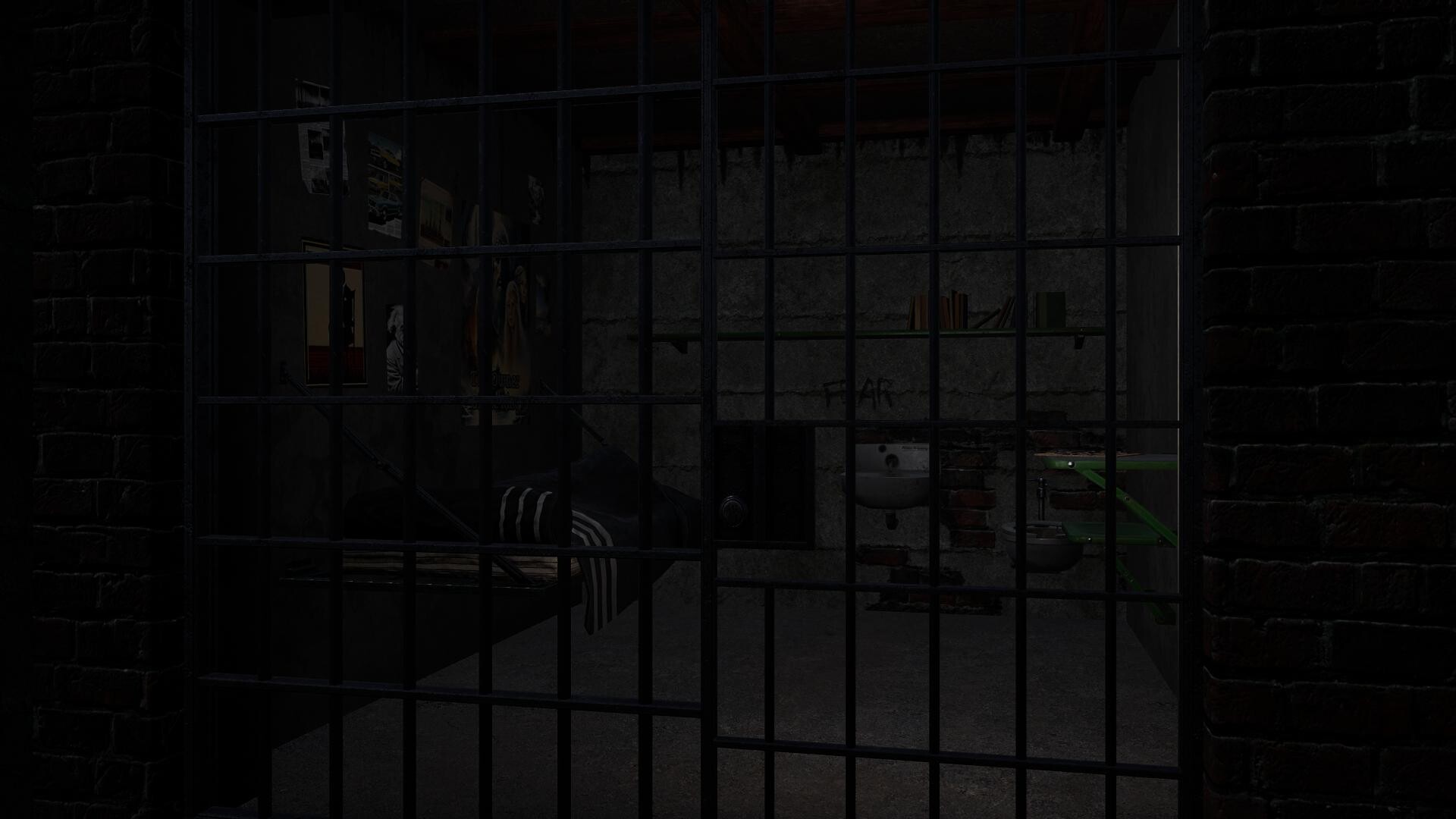
At its core Trace of the Villa is a story-first, clue-driven exploration game. The official premise centers on Jin, who after years of dead leads follows a trail to a property deliberately cut off from the grid; inside the mansion the signs of past occupancy look less like abandonment and more like erasure. According to the Steam description, restoring power is a key beat: secured systems come back online, hidden compartments open, safes yield fragments of encrypted documents and suspicious transfer records, and each recovered manifest or hint pushes the timeline forward while expanding the mystery.
Who this is for
- Players who prize character motivation and missing-person stakes over jump scares: the central engine is Jin’s obsession and the human cost behind the house’s secrets.
- Fans of atmospheric mystery adventure and slow-burn suspense that reward careful reading of environmental detail and piecing together forensic traces.
- Explorers who prefer single-player, story-rich indie structure with subtitle options and accessibility choices (Color Alternatives, Custom Volume Controls, Playable without Timed Input).
When and where
Trace of the Villa released on Steam on 28 May, 2026. It is developed and published by Steadyturtle Co., Ltd., and is presented on Steam as an Action / Adventure / Indie title with Single-player and accessibility categories including Subtitle Options and Family Sharing.
Why the missing-person theme matters here
The game’s tension comes from grounded stakes: Jin’s motivation is personal, not abstract. When a narrative’s stakes are “someone I love vanished,” every piece of recovered evidence reads as emotional currency — manifests, falsified identities, and financial traces imply an operation that anonymized its victims. That focus on individual consequence changes how exploration feels: you aren’t merely unlocking a plot device, you’re revealing reasons why a person disappeared and which institutions or systems enabled it.
How you read clues and progress
Based on the official description, progression is forensic and procedural. You restore estate power, reactivate secured systems, and then follow a breadcrumb trail of physical artifacts: hidden compartments, safes, encrypted documents, suspicious transfer records, and manifests. Each solved puzzle or recovered file unveils another layer of the operation that used the mansion — arrivals without records, departures without witnesses, falsified identities — and reframes prior discoveries. The experience leans on environmental storytelling and puzzle-led revelation rather than combat spectacle.

Compact facts
| Title | Trace of the Villa |
|---|---|
| Steam AppID | 3483660 |
| Release date | 28 May, 2026 |
| Developer / Publisher | Steadyturtle Co., Ltd. |
| Genres | Action, Adventure, Indie |
| Notable Steam categories | Single-player; Color Alternatives; Custom Volume Controls; Playable without Timed Input; Subtitle Options; Family Sharing |
Player scenarios — how it will feel in practice
- Night detective: You like to play slowly, read every document, and turn lights on room by room. Trace of the Villa’s restored-systems beats will reward that patient scrutiny.
- Clue-chaser: You jump from manifest to manifest, chasing a single lead. Expect puzzle moments that gate narrative beats — decrypting documents and opening safes matter.
- Story-first player: Your priority is character motivations and emotional stakes. Jin’s search and the implications of mass anonymization are the payoff you want.
How it compares to similar narrative mysteries
Below is an editorial comparison focused purely on genre, atmosphere, puzzle focus, exploration style, and player fit.
| Game | Core focus | Story tone | Puzzle / exploration emphasis | Player fit |
|---|---|---|---|---|
| Trace of the Villa | Missing-person investigation in a decaying mansion | Slow-burn, personal, forensic | Environmental puzzles, encrypted documents, system reactivation | Players who value character motivation and clue-driven investigation |
| Inscryption | Card-based odyssey blending escapes and meta-horror | Bleak, psychological, metafictional | Puzzle-cards and escape-room sequences mixed with meta-reveal | Players seeking dark, experimental narrative mechanics |
| Outer Wilds | Open-world solar system mystery in a time loop | Wondrous, melancholy, exploratory | Spatial puzzles, discovery through movement and observation | Explorers who like emergent narrative and environmental payoff |
| Journey | Minimalist exploration across ruined landscapes | Poetic, wordless, contemplative | Traversal and symbolic discovery over explicit puzzles | Players after a meditative, emotional ride rather than detective work |
| The Forgotten City | Narrative time-loop adventure with moral stakes | Curiosity-driven, weighty, puzzle-narrative | Dialogue and timeline-based puzzles to uncover truth | Players who like ethical dilemma wrapped in mystery |
| The Medium | Psychological exploration across real and spirit realms | Haunting, reflective, atmospheric | Parallel-reality puzzles and story-driven exploration | Fans of dual-reality storytelling and psychological tone |
Should you wishlist it?
Wishlist Trace of the Villa if you respond to human-scale stakes and like to read clues in the environment, piece together financial and identity traces, and prefer slow
Steam page
View Trace of the Villa on Steam
YouTube discovery
For trailer and gameplay discovery, use YouTube search rather than relying on unverified embeds: Find Trace of the Villa trailer and gameplay searches on YouTube.
Leave a Reply