
Trace of the Villa: a story-first mansion mystery that asks you to read the silence
Trace of the Villa puts you in Jin’s shoes: a lone searcher following a cold trail into a deliberately abandoned mansion, where the house itself hides a network of falsified identities, encrypted records, and locked rooms that only reveal their truth when systems are restored. The game is an atmospheric mystery adventure that leans on environmental storytelling and clue-driven exploration rather than loud scares—each solved puzzle peels back another layer of a concealed operation.

Quick facts
| Title | Trace of the Villa |
|---|---|
| Steam AppID | 3483660 |
| Release date | 28 May, 2026 |
| Developer / Publisher | Steadyturtle Co., Ltd. |
| Genres | Action, Adventure, Indie |
| Categories / features | Single-player; Color Alternatives; Custom Volume Controls; Playable without Timed Input; Subtitle Options; Family Sharing |
| Official premise | Jin searches for his missing sister and follows a lead to a remote, decaying mansion where manifests and hints suggest she may still be alive. |
Who this is for
If you favor story-first mystery design—slow-burn suspense where atmosphere, objects, and fractured records do most of the talking—Trace of the Villa is aimed at you. The Steam page lists it as Action / Adventure / Indie with single-player and accessibility-friendly categories (subtitles; playable without timed input), so expect a mainly solo, narrative investigation rather than multiplayer puzzle-challenges or twitch-heavy combat. Players who like layered environmental storytelling, forensic reading of clues, and unraveling encrypted documents piece by piece will find the premise appealing.
What the game is
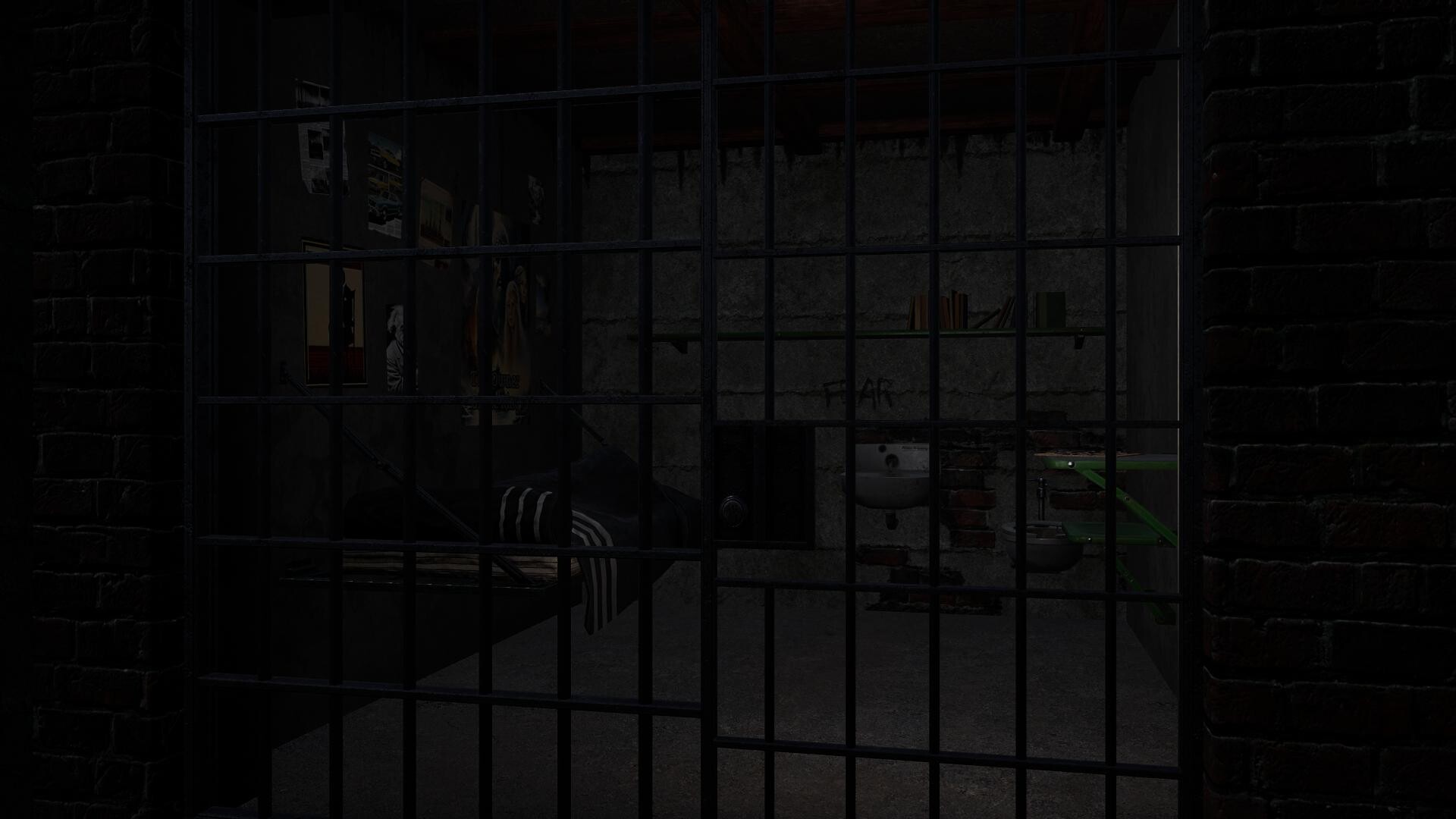
According to the official Steam description, Jin has followed leads to a property “cut off from the grid and deliberately forgotten.” Inside, rooms appear frozen mid-routine, identities are conspicuously missing, and the mansion hides a controlled operation: when Jin restores power, secured systems reactivate, hidden compartments open, and safes yield fragments of encrypted documents and suspicious transfer records. The core loop described by the developer centers on investigation and puzzle resolution that reveal a broader, concealed timeline.

When and where
Trace of the Villa released on Steam on 28 May, 2026. It is published and developed by Steadyturtle Co., Ltd. — find the Steam store page to wishlist or purchase: Trace of the Villa on Steam.
Why the theme matters
Mansion mysteries live or die on what the environment can communicate when people are absent. Trace of the Villa frames its narrative through erasure—missing names, falsified identities, and financial trails that reach dead ends—so the player’s curiosity becomes the engine of revelation. That matters because it shifts emphasis from jump-scares or explicit exposition to interpretive work: reading a ledger, matching transfer records, and deciding how fragments fit into a timeline. For players who enjoy being an active interpreter of story rather than a passive audience, this design choice rewards patience and attentiveness.
How you uncover meaning
The official description outlines a clear investigative rhythm: restore systems and power, reactivate secured systems, open hidden compartments, and collect fragments of encrypted documents and transfer records. Progression appears to be puzzle-driven—each solved lock or restored circuit yields new evidence that recontextualizes previous discoveries. In practice, that means the player advances by assembling a timeline from physical clues and digital traces rather than through cutscenes that explicitly spell out every relationship.
Player scenarios
- Slow-burn narrative player: You enjoy long, atmospheric sessions where clues accumulate and meaning emerges gradually. Trace of the Villa’s focus on erased identities and encrypted fragments should suit you.
- Puzzle-first investigator: You want locks, safes, and systems that react to being solved. The Steam description signals a steady stream of secured systems and hidden compartments as core puzzle payoffs.
- Accessibility-minded explorer: You prefer subtitles and input that doesn’t require tight timing; the game lists subtitle options and “playable without timed input” among its categories.
- Action-inclined but story-driven: The genres include Action and Adventure—expect some movement or physical challenges mixed with the investigation, but the narrative and environmental clues are the headline.
How it compares — editorial table
Below are lawful editorial comparisons on tone and design, not claims of superiority. These entries use public descriptions of each title to help match player preference.
| Game | Core mystery mechanic | Atmosphere / story tone | Exploration style | Puzzle emphasis | Best for players who like… |
|---|---|---|---|---|---|
| Trace of the Villa | Evidence recovery, restored systems, encrypted documents | Decaying mansion; deliberate erasure and slow revelation | Clue-driven, interior exploration of a single estate | Moderate to high—lockboxes, hidden compartments, secured systems | Interpreting fragments into a timeline; environmental storytelling |
| Inscryption | Card-based secrets and meta-layer discovery (public summary) | Inky, psychological, and unsettling | Structured encounters with puzzle/card mechanics | High—puzzles integrated with card systems | Players who like emergent meta-mystery with puzzle twists |
| Outer Wilds | Exploratory astronomy mystery and system-based clues | Curious, melancholic, scientific wonder | Open solar-system exploration | Low-to-moderate—puzzles are environmental and conceptual | Players who enjoy open exploration and piecing a timeline together |
| Journey | Wordless discovery through environment (public summary) | Poetic and contemplative | Linear, atmospheric traversal across ruins | Low—puzzles are implicit in traversal and world design | Players who prefer emotional, nonverbal storytelling |
| The Forgotten City | Time-loop narrative and ethical puzzle solving (public summary) | Moral weight,YouTube discoveryFor trailer and gameplay discovery, use YouTube search rather than relying on unverified embeds: Find Trace of the Villa trailer and gameplay searches on YouTube. CommentsMore posts |
Leave a Reply