
Trace of the Villa and the Quiet Power of Environmental Dread
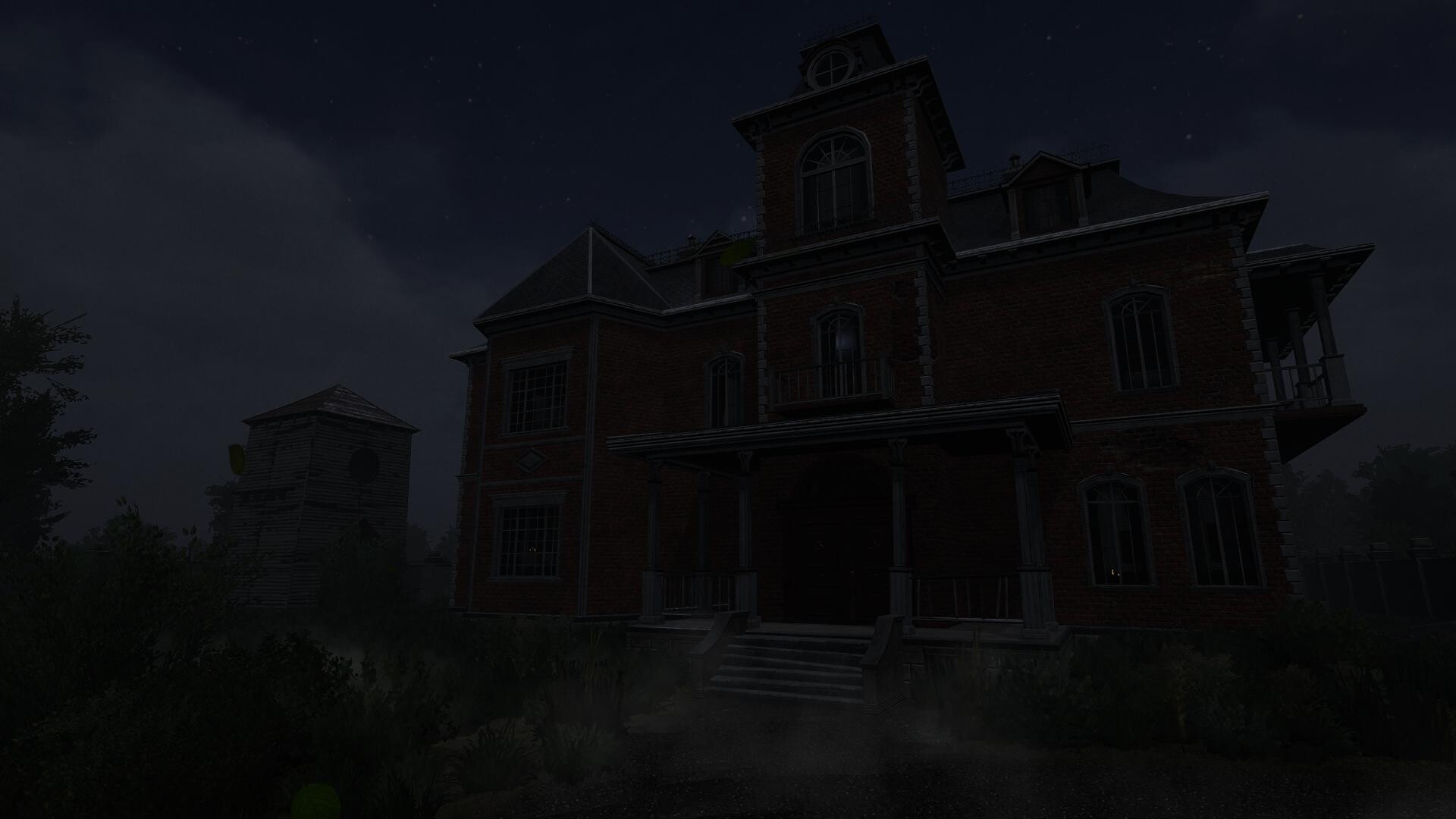
Trace of the Villa (Steadyturtle Co., Ltd., released 28 May, 2026) trades jump-scare spectacle for a slow, clinical unraveling: a decaying mansion where silence, vanished identities, and staged rooms do most of the heavy lifting. Its design asks you to read space as evidence, to let empty chairs and powered-on safes do the storytelling.

| Title | Trace of the Villa |
|---|---|
| Steam appid | 3483660 |
| Release date | 28 May, 2026 |
| Developer / Publisher | Steadyturtle Co., Ltd. |
| Genres | Action, Adventure, Indie |
| Categories | Single-player; Color Alternatives; Custom Volume Controls; Playable without Timed Input; Subtitle Options; Family Sharing |
| Premise | Jin searches for his missing sister in a remote, decaying mansion, restoring power and uncovering manifests, encrypted fragments and staged rooms that suggest identities were removed. |
Who it’s for
This is for players who prefer atmospheric mystery adventure over adrenaline spikes: people who want environmental storytelling, slow-burn suspense, and clue-driven exploration. If you enjoy investigating spaces that feel staged to hide facts — rather than confrontational monster chases — Trace of the Villa targets that audience.
What the game is
Officially described on Steam, Trace of the Villa casts you as Jin, a protagonist who has followed years of cold leads to a deliberately forgotten mansion. The house is furnished as if occupants vanished mid-routine, with locked doors, safes, and secured systems that reveal fragments of a larger operation as you restore power and pry into hidden compartments. The game sits in Action / Adventure / Indie territory while leaning hard on psychological investigation and environmental dread.
When and where
Trace of the Villa launched on Steam on 28 May, 2026. It is listed in Steam’s PC storefront with Single-player and accessibility categories that include subtitle options, custom volume controls, and settings for play without timed input.
Why quiet tension and uncertainty matter here
Design that privileges silence—rooms left intact but depopulated, absent photographs, falsified records—turns the mansion itself into a witness. Where many horror titles lean on sudden shocks or scripted set-pieces, Trace of the Villa uses unsettling room design and the slow accumulation of anomalies to breed unease. That persistent uncertainty forces a different kind of engagement: instead of flinching, you catalog, cross-reference, and hypothesize. The dread is environmental; the anxiety comes from not knowing which mundane object will tip the narrative toward revelation.

How you progress: reading clues, restoring systems, assembling the story
Progression is investigation-driven. The Steam description notes that when Jin restores power to the estate, systems come back online, hidden compartments unlock, safes yield fragments of encrypted documents and suspicious transfer records. Players move from reading manifests and personal effects to following financial and identity clues that imply arrivals and departures masked by falsified records. In practice, that means exploration, puzzle-solving tied to restored infrastructure, and contextual piecing-together rather than combat-forward progression.
Player scenarios: who should wishlist it
- Slow-burn story players: You prefer narrative puzzle design and a measured pace that rewards patience and note-taking rather than reflexes.
- Mansion mystery explorers: You value unsettling room design and environmental storytelling where staged interiors and missing identifiers are primary clues.
- Investigation-first players: You like games where restoring systems and decrypting fragments reveals the next lead instead of combat encounters dictating pacing.
- Accessibility-minded PC players: Steam categories indicate subtitle options, custom volume controls, and playable without timed input, so it’s approachable for players who need those settings.
How it compares — a short table for context
| Game | Genre / Focus | Atmosphere | Puzzle / Exploration | Pacing / Tone |
|---|---|---|---|---|
| Trace of the Villa | Action, Adventure, Indie — mansion mystery | Environmental dread; staged rooms and silence | Clue-driven exploration, restoring systems, decrypting fragments | Slow-burn, investigative |
| Amnesia: The Dark Descent | Action, Adventure, Indie — first-person survival horror | Immersive, oppressive darkness | Exploration with light puzzle elements and sanity mechanics | Tense, survival-oriented |
| SOMA | Action, Adventure, Indie — sci-fi horror | Underwater isolation; existential dread | Exploration and narrative puzzles tied to machines and data | Contemplative, unsettling |
| Layers of Fear (2016) | Adventure, Indie — psychological horror | Shifting Victorian mansion; surreal atmosphere | Story-driven exploration with environmental puzzles | Atmospheric, psychologically disorienting |
| Poppy Playtime | Action, Adventure, Indie — horror/puzzle adventure | Abandoned factory, toy-themed menace | Puzzle tools (GrabPack) and set-piece encounters | Agile, encounter-focused |
Where to look for trailers and gameplay
For trailers or gameplay clips, search YouTube: Trace of the Villa trailer & gameplay (YouTube search). This is a discovery link; verify any specific video’s official status before assuming it’s an official trailer.
View Trace of the Villa on Steam
Disclaimer: Referenced titles and trademarks belong to their respective owners. Comparisons are editorial discovery only and do not imply endorsement or affiliation.
Leave a Reply