Trace of the Villa — why quiet dread and the psychology of an empty mansion matter more than jump scares
Trace of the Villa places you in Jin’s shoes as he follows years of cold leads to a remote, decaying mansion; the game leans on slow, clue-driven exploration rather than loud shocks. Released on 28 May, 2026 by Steadyturtle Co., Ltd., it asks players to read absence as evidence — to treat empty rooms and interrupted routines as the main conduit of fear.

Who, What, When, Where, Why, How
Who it’s for
Players who prefer atmospheric mystery adventure and psychological investigation — people who find slow-burn tension, environmental storytelling, and puzzle-led progress more unnerving than constant jump-scare design. If you enjoy interpreting clues, restoring systems, and assembling a timeline from fragments, Trace of the Villa is aimed at you.
What the game is
Trace of the Villa is a story-rich adventure on Steam (PC) where Jin searches for his missing sister inside a property “cut off from the grid.” The mansion’s rooms look lived-in but erased: belongings without names, locked doors with hastily secured secrets, and systems that, once restored, reveal concealed operations and financial traces. The game sits in the Action / Adventure / Indie grouping on Steam and emphasizes exploration and puzzle discovery.
When and where
Trace of the Villa released on 28 May, 2026 and is available on Steam: see the store page for the full PC listing and system details.
Why the theme matters
Psychological horror built from absence — rooms arranged as if interrupted, missing photographs, erased identities — trades on a different cognitive response than surprise scares. Quiet dread exploits uncertainty: your brain fills gaps with possible histories, motives and outcomes. That anticipatory tension tends to linger after a session, because it engages pattern recognition and personal inference rather than a single reflexive moment.
How you progress
Progression is documentary and mechanical: restore power, bring secured systems back online, unlock hidden compartments, and pry open safes to recover fragments of encrypted documents and manifests. Each solved puzzle reveals another connective clue — falsified identities, suspicious transfers, and movement patterns — letting players assemble a timeline and trace the mansion’s role in a larger, obscured operation.
Official visuals
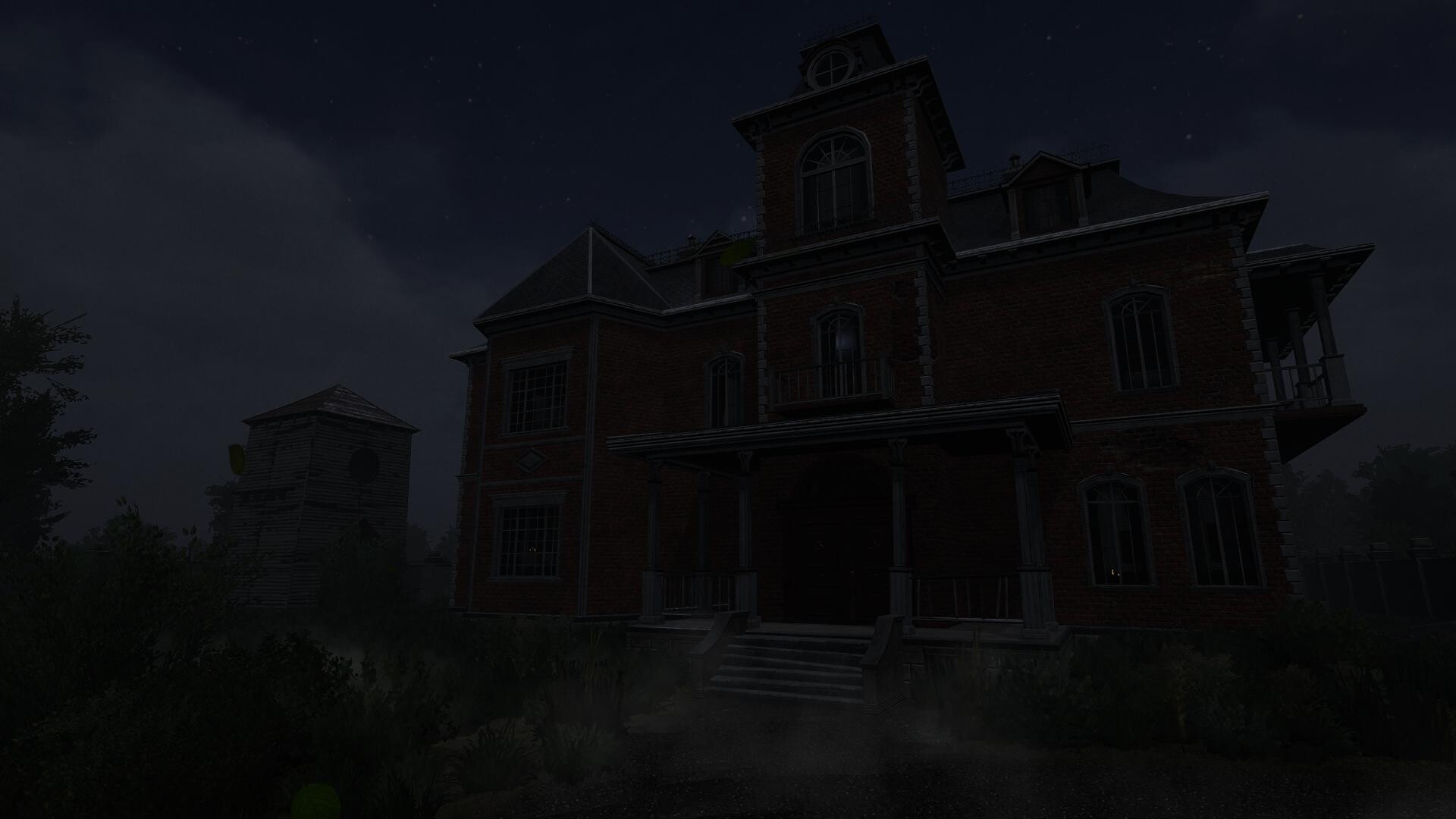

Compact facts
| Title | Trace of the Villa |
|---|---|
| Steam AppID | 3483660 |
| Release date | 28 May, 2026 |
| Developer / Publisher | Steadyturtle Co., Ltd. |
| Genres | Action, Adventure, Indie |
| Categories / Accessibility | Single-player; Color Alternatives; Custom Volume Controls; Playable without Timed Input; Subtitle Options; Family Sharing |
| Short premise | Jin searches a remote, decaying mansion for manifests and hints that his missing sister may still be alive. |
Who should wishlist it — specific player scenarios
- Slow-burn investigator: You like piecing together a narrative from documents, consoles, and half-remembered room layouts. You prefer puzzle-led revelation over combat-heavy gameplay.
- Mansion atmosphere fan: You appreciate environmental storytelling where an empty room can be the most disturbing thing in the game because it implies a story rather than showing it.
- Accessibility-minded player: The Steam page lists subtitle options, custom volume controls, and settings that reduce reliance on timed inputs — useful if you want a measured, contemplative experience.
- Replay-minded completionist: If you enjoy re-examining clues to see alternate interpretations and to chase every document and encrypted fragment, this game’s layered reveals will appeal.
How Trace of the Villa compares to nearby psychological horror/puzzle titles
Below is a focused comparison on lawful editorial criteria — genre, atmosphere, puzzle focus, exploration style, story tone, and pacing — to help you decide whether Trace of the Villa fits your taste.
| Title | Genre / Setting | Atmosphere | Puzzle / Interaction | Exploration style | Story tone / Pacing | Player fit |
|---|---|---|---|---|---|---|
| Trace of the Villa | Action / Adventure / Indie — remote decaying mansion | Quiet, erased domestic spaces; slow dread | Clue-driven: restore power, unlock compartments, decrypt fragments | Methodical, document- and environment-based | Slow-burn investigative reveal; tension through uncertainty | Players who prefer narrative puzzles and atmosphere over frequent shocks |
| Amnesia: The Dark Descent | Action / Adventure / Indie — gothic survival horror | Immersive, oppressive isolation | Environmental puzzles and sanity mechanics | First-person exploration focused on survival and immersion | Slow building dread with moments of acute terror | Players who want immersion and a strong survival-horror framework |
| SOMA | Action / Adventure / Indie — sci-fi, underwater facility | Existential, claustrophobic | Puzzle and stealth with narrative-driven discoveries | Exploration that ties setting to philosophical questions | Measured pacing that foregrounds story and atmosphere | Players who want thoughtful sci-fi horror and narrative depth |
Steam pageView Trace of the Villa on Steam YouTube discoveryFor trailer and gameplay discovery, use YouTube search rather than relying on unverified embeds: Find Trace of the Villa trailer and gameplay searches on YouTube. Comments |
Leave a Reply