
Trace of the Villa — an escape-room mystery built around power, access, and evidence
Trace of the Villa casts you as Jin, a man following a cold trail into a cut-off, decaying mansion whose systems and secrets are literally powered down. Restoring electricity, opening sealed rooms and reconstructing fragmentary records form the game’s central investigative rhythm, one that will appeal to players who prefer environmental reading and chained-clue puzzles over action spectacle.

Quick facts
| Title | Trace of the Villa |
|---|---|
| Steam AppID | 3483660 |
| Release date | 28 May, 2026 |
| Developer / Publisher | Steadyturtle Co., Ltd. |
| Genres | Action, Adventure, Indie |
| Categories | Single-player; Color Alternatives; Custom Volume Controls; Playable without Timed Input; Subtitle Options; Family Sharing |
| Official premise | Jin searches a remote, decaying mansion after leads suggest his missing sister might still be alive; restoring power brings secured systems back online and reveals hidden compartments, safes, and fragments of encrypted documents. |
Who should wishlist this
Players who prefer slow-burn, story-rich adventure and environmental storytelling over twitch reflex gameplay. If you enjoy locked-room thinking—finding one clue that unlocks a circuit of puzzles, then using newly accessible systems to reveal more clues—Trace of the Villa is targeted at that investigative mindset. The presence of accessibility features like custom volume controls, subtitle options and playability without timed input also make it a fit for players who value configurable, deliberate puzzle pacing.
What the game is (and what it does differently)
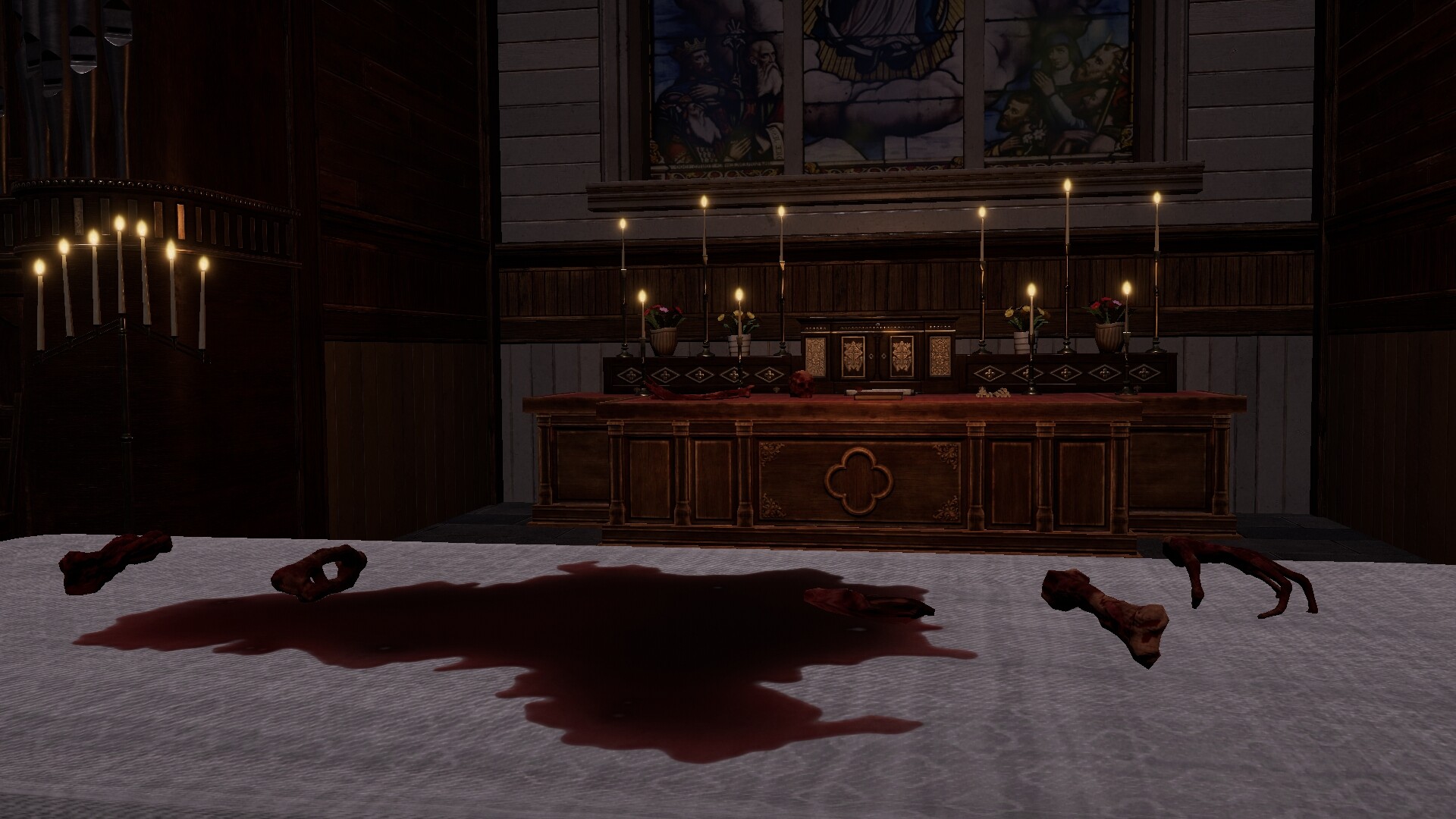
Trace of the Villa places Jin in an abandoned mansion cut off from the grid. According to the official Steam description, rooms look as if occupants vanished mid-routine; identities seem removed and records erased. Crucially, when Jin restores power to the estate, secured systems come back online, hidden compartments unlock, and safes yield fragments of encrypted documents and suspicious transfer records. The loop of restoring systems, unlocking spaces, and piecing together financial and identity evidence is the game’s defining investigative engine.

When and where
Trace of the Villa is available on Steam; the release date listed on the Steam store is 28 May, 2026. The Steam page identifies Steadyturtle Co., Ltd. as both developer and publisher.
Why the power-and-evidence theme matters
Thematically, the act of restoring power is both literal and symbolic: systems returning online expose deliberate concealment. That design choice channels a particular investigative pleasure—unlocking a locked room is satisfying, but unlocking the infrastructure that keeps a secret hidden adds an extra layer of forensic reward. By tying puzzles to estate systems, the game links environmental puzzle-solving to narrative beats (encrypted documents, suspicious transfers, falsified identities) so each solved mechanic advances both gameplay and story.
How progression works: a practical read for puzzle-minded players
Steam’s official description makes progression methodology explicit: you find manifests and hints; you restore power to bring secured systems back online; hidden compartments and safes reveal fragments and records that chain into new objectives. In practice that looks like an escape-room loop scaled across a mansion: repair or reactivate infrastructure → gain access to a locked wing or device → read recovered fragments → combine evidence to unlock the next system. If you appreciate chained-clue design—where each discovery is necessary context for the next—this is the core loop.
Player scenarios — who will enjoy the core loop
- Slow-burn investigators: You like to move methodically, reading rooms and making lists of cross-references. The mansion’s locked systems and fragments reward careful cataloguing and timeline reconstruction.
- Environmental readers: You prefer puzzles rooted in believable spaces—circuit boxes, safes, manifests—rather than abstract code puzzles. Trace of the Villa foregrounds physical systems that reveal narrative when reactivated.
- Story-first puzzlers: You want the puzzle payoff to clarify who was here, how identities were erased, and why the house was used. The recovered documents and suspicious transfer records are the game’s narrative breadcrumbs.
How it compares to nearby mystery/puzzle games
| Title | Genre (Steam) | Atmosphere | Puzzle focus | Exploration style | Story tone / pacing |
|---|---|---|---|---|---|
| Trace of the Villa | Action, Adventure, Indie | Mansion mystery; slow-burn, claustrophobic | Chained clues, systems reactivation, evidence reconstruction | Single-player, methodical room-by-room access via restored systems | Investigative, steadily revealing |
| The Room | Adventure, Indie | Locked-chamber, tactile eerie | Mechanical safes and tactile puzzles | Single-room, focused puzzle object exploration | Concentrated, cryptic |
| The Room Two | Adventure, Indie | Cryptic and atmospheric | Sequential device puzzles, object manipulation | Multiple settings but still very object-centric | Gradual revelation across discrete puzzle scenes |
| Escape Simulator | Adventure, Casual, Indie, Simulation | Bright, sandbox escape-room toolkit | Highly interactive object manipulation; physics | Room-by-room, editor-driven variety; solo or co-op | Variable pacing depending on room and community content |
| Hi-Fi RUSH | Action | Stylized, beat-driven | Combat and rhythm systems rather than environmental puzzles | Action-oriented, linear progression | Fast, high-energy |
Deciding if it fits your shelf
Wishlist Trace of the Villa if you want a PC mystery that privileges environmental reading, locked-room thinking extended across an estate, and a clue-chain loop that hinges on restoring systems and reconstructing evidence. If your preference is for tightly focused single-object puzzles (The Room series) or highly social/sandbox room design (Escape Simulator), expect a different tone here: Trace of the Villa aims for investigative mood and narrative accretion rather than mechanical spectacle.
YouTube discovery
To find trailers or gameplay footage, search YouTube using this discovery path: Trace of the Villa trailer & gameplay (YouTube search). Note: this is a search link for discovery; check individual videos for source and authenticity.
Leave a Reply