
Trace of the Villa — an evidence-led mansion mystery for meticulous players
Trace of the Villa places a single-minded investigator, Jin, into a decaying, off-the-grid mansion where manifests, encrypted fragments and falsified identities suggest a larger, concealed operation — and the faint possibility his missing sister may still be alive. For players who treat every note, log and locked door as potential lore, this is a slow-burn, clue-driven adventure built around piecing together a timeline from objects and systems the house reluctantly returns.

Quick facts
| Title | Trace of the Villa |
|---|---|
| Release date | 28 May, 2026 |
| Developer / Publisher | Steadyturtle Co., Ltd. |
| Genres | Action, Adventure, Indie |
| Steam categories | Single-player; Color Alternatives; Custom Volume Controls; Playable without Timed Input; Subtitle Options; Family Sharing |
| Steam AppID | 3483660 |
Who this is for
Meticulous players and lore readers who prefer unraveling story through environmental cues and documents will get the most from Trace of the Villa. Investigation fans who enjoy reconstructing events from manifests, encrypted records, and secured systems — rather than constant combat or timed reflex tests — should consider wishlisting this title.
What the game is
Officially described on Steam: “Jin has spent years searching for his missing sister, pursuing leads that took him to a remote, decaying mansion where he recovered manifests and hints that indicate his sister may still be alive, somewhere at the end of the trail he is about to follow.” The estate feels “less abandoned than erased”: furnished rooms with missing names, locked doors, and deliberately obscured identities. The core loop is investigative—restore systems, unlock compartments, and follow financial and document trails to build a timeline.
When and where
Trace of the Villa launched on Steam on 28 May, 2026 and is published and developed by Steadyturtle Co., Ltd. The Steam page lists the game’s genres as Action / Adventure / Indie and standard accessibility options such as subtitle support and the ability to play without timed input.
Why the theme matters
The mansion-as-evidence-box setup matters for players who prize atmospheric mystery adventure and psychological investigation over overt horror scares. The official description emphasizes falsified identities, suspicious transfer records and a “carefully concealed operation”: those are narrative hooks aimed at readers of lore and slow-burn detectives who enjoy assembling cause-and-effect from fragments rather than being told everything outright.
How you read clues and progress
According to the Steam description, progress is driven by restoring power and reactivating estate systems. When Jin “restores power to the estate, the house begins to reveal what it was hiding”: secured systems come online, hidden compartments unlock, safes yield encrypted documents, and each solved puzzle surfaces another layer of financial and identity-based secrecy. Expect document analysis, encrypted fragments, and environmental puzzles that reward careful observation and patience.

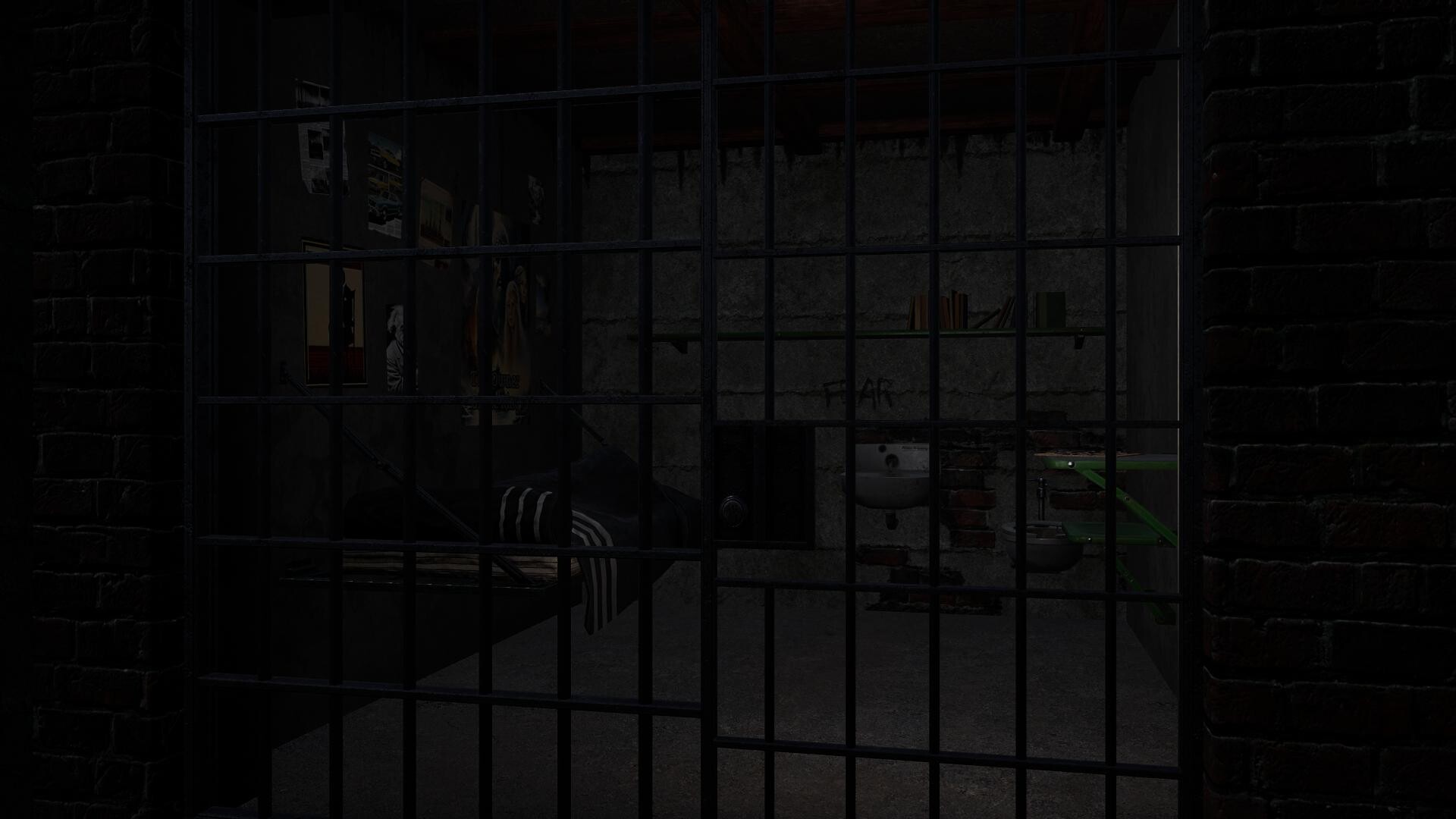
Player scenarios — who should wishlist
- If you annotate and archive: You enjoy copying down notes, tracing names through documents and building timelines from small discoveries. Trace of the Villa’s emphasis on manifests and transfer records plays to that habit.
- If you prefer atmospheric investigation over jump scares: The mansion is described as “erased” rather than overtly haunted — this is narrative puzzle design and environmental storytelling more than adrenaline-driven horror.
- If you like systems that reveal story: Restoring power and reactivating estate infrastructure is a gameplay beat that directly yields narrative beats — ideal for players who want mechanical progress tied to lore reveal.
- If you want regulated challenge: The Steam categories include “Playable without Timed Input” and subtitle options, which suits methodical exploration at your own pace.
How it compares — editorial discovery table
| Title | Core mystery style | Puzzle focus | Pacing / Exploration | Player fit |
|---|---|---|---|---|
| Trace of the Villa | Document- and system-driven mansion investigation | Environmental puzzles; encrypted documents; restoring estate systems | Slow-burn, investigative | Meticulous lore-readers and clue-driven explorers |
| Inscryption | Card-based meta-horror that embeds secrets in its systems | Deckbuilding + escape-room puzzles | Variable—roguelike runs mixed with structural surprises | Players who like game-systems as narrative and emergent secrets |
| Outer Wilds | Open-world cosmic mystery about a solar system and time loop | Exploration-led puzzles and environmental clues across locations | Expansive, discovery-first, contemplative | Players who love exploration and building a mental map of cause-and-effect |
| The Medium | Psychological investigation with dual-reality exploration | Atmospheric puzzles tied to the spirit/real-world interplay | Deliberate, tense, story-centric | Fans of narrative atmosphere and psychological tone |
Deciding: does it fit your shelf?
Pick Trace of the Villa if you like to treat a Steam page like a dossier: you want an atmospheric mystery adventure where every manifest may reframe a character, and where progress is earned by reactivating systems and unlocking documents. If you prefer broad open-world traversal or high-octane mechanics, this leans toward a focused investigation experience rather than sprawling exploration.
YouTube discovery
If you want trailer or gameplay clips, search YouTube for Trace of the Villa trailers and gameplay using this path (note: use as a discovery search): Trace of the Villa — YouTube search.
Where to wishlist
If the premise appeals, you can visit the Steam page to wishlist or follow updates: Trace of the Villa on Steam
Disclaimer: Referenced titles and trademarks belong to their respective owners. Comparisons are editorial discovery and not endorsements or claims of affiliation.
Leave a Reply