Trace of the Villa: why quiet tension and slow-burn uncertainty matter more than loud scares
Trace of the Villa asks you to listen for the house itself, to follow small disturbances and incomplete records until a wider, unsettling pattern appears. Released on 28 May, 2026 by Steadyturtle Co., Ltd., the game trades jump shocks for escalating uncertainty as you piece together what happened inside a deliberately forgotten mansion.

What the game is (short)
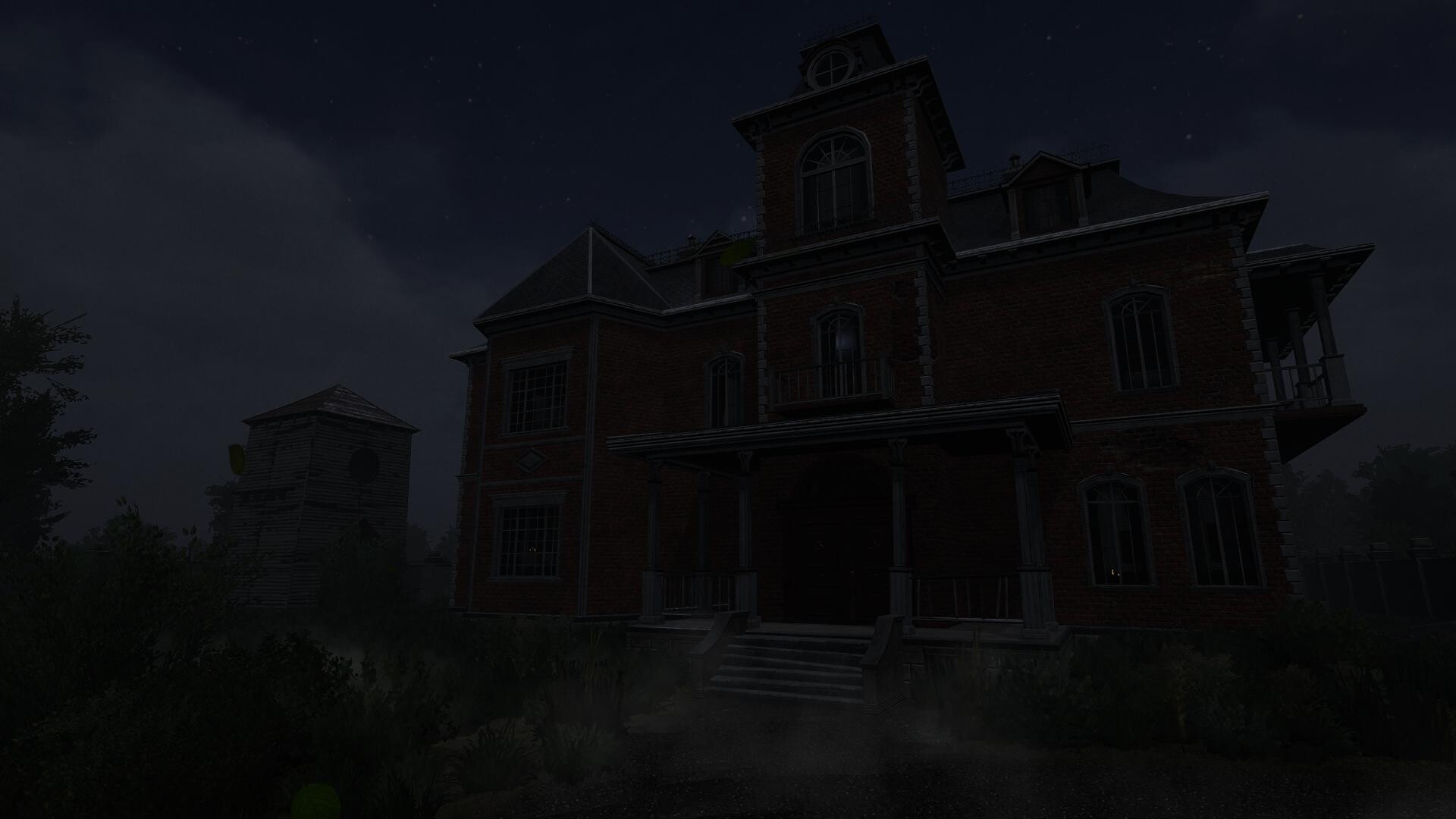
Trace of the Villa is an action-adventure indie on Steam where you play Jin, a protagonist who has spent years searching for a missing sister. A new lead takes him to a remote, decaying mansion with signs of past occupancy but almost no official records. When Jin restores power and begins to open the estate’s locked systems and safes, he uncovers encrypted documents, falsified identities, and evidence of controlled movements — a narrative built around investigation, environmental storytelling, and gradual revelation.
Who this is for
If you prefer atmosphere and methodical investigation over frequent jump scares, Trace of the Villa is aimed at players who enjoy story-rich, clue-driven exploration. It will appeal to people who like piecing together timelines from found documents, restoring systems to progress, and letting unease accumulate through design rather than shocky triggers.
When and where
Trace of the Villa launched on 28 May, 2026 and is available on Steam for PC. The Steam page lists Steadyturtle Co., Ltd. as both developer and publisher and classifies the game under Action, Adventure, and Indie with single-player and accessibility-related categories such as Subtitle Options and Custom Volume Controls.
Why quiet tension and uncertainty matter here
Quiet tension forces players to commit to attention: audio cues, partial logs, and the arrangement of rooms become your detective tools. The Steam description explicitly notes that restoring power brings systems back online, hidden compartments unlock, and safes yield fragments of encrypted documents — design choices that scaffold a slow-learned dread. That pacing converts curiosity into dread without needing a catalogue of scripted shocks, making every small discovery feel meaningful.
How progression and puzzles work
The official Steam text outlines how progression is rooted in investigation: restore estate power, access secured systems, and decode fragments found in safes and hidden compartments. Each solved puzzle reveals another layer of the mansion’s purpose — financial trails, falsified identities, and movements masked behind gaps in records. Expect a loop of exploration, document reading, light puzzle solving, and system reactivation rather than arcade-style action.
Compact facts: Trace of the Villa
| Title | Trace of the Villa |
|---|---|
| Steam App ID | 3483660 |
| Release Date | 28 May, 2026 |
| Developer / Publisher | Steadyturtle Co., Ltd. |
| Genres | Action, Adventure, Indie |
| Key Categories | Single-player; Color Alternatives; Custom Volume Controls; Playable without Timed Input; Subtitle Options; Family Sharing |
| Official Short Description | Jin searches a remote, decaying mansion for clues that his missing sister may still be alive. |
Does it fit your library? Specific player scenarios
- You like slow-burn mysteries: If you enjoy letting atmosphere accumulate and prefer piecing together timelines from discovered documents, Trace of the Villa aligns with that approach.
- You prefer puzzle-led progression: Players who like unlocking systems, opening safes, and following forensic clues will find the game’s design rewarding.
- You want accessibility and control: Steam categories list Subtitle Options and Custom Volume Controls, and the game notes “Playable without Timed Input,” which benefits players who need a less reflex-driven pace.
- You expect constant jump scares: This is less likely to satisfy players looking for frequent, shock-centric horror; the premise emphasizes investigation and slowly revealed operations behind the mansion.
How Trace of the Villa compares — a practical table
| Game | Tone / Atmosphere | Pacing | Puzzle & Exploration Focus | Player fit |
|---|---|---|---|---|
| Trace of the Villa | Mansion mystery, investigative, slowly unsettling | Deliberate, clue-driven | Restore systems, open safes, decode documents | Players who favor narrative puzzles and environmental storytelling |
| Amnesia: The Dark Descent | Immersive, survival-leaning psychological horror | Often tense and immediate | Environmental puzzles with heavy emphasis on immersion | Players who want immersion and survival mechanics |
| SOMA | Sci-fi existential horror, slow-burn philosophical tone | Measured, narrative-first | Exploration and narrative puzzles in a world-building context | Players who like story-driven, thought-provoking horror |
| Layers of Fear (2016) | Psychological, shifting-house atmosphere | Atmospheric and episodic | Exploration of a changing environment tied to storytelling | Players who enjoy surreal, artist-focused horror narratives |
| Poppy Playtime | Horror with puzzle mechanics in an abandoned facility | Often more scripted and encounter-driven | Puzzle-solving with set-piece encounters | Players who like puzzle mechanics mixed with tense, recurring encounters |
Note: comparisons use genre, atmosphere, puzzle emphasis, pacing, and player fit as editorial criteria — not claims of superiority.
Where to look for trailers and gameplay
For trailers and gameplay clips, try a YouTube search: Trace of the Villa trailer & gameplay. This link is provided as a discovery path; the Steam page’s trailer thumbnail is also available on the store.
Leave a Reply