
Trace of the Villa: Why Quiet Tension and Uncertainty Matter More Than Loud Shocks
Trace of the Villa builds its atmosphere the hard way: through erased rooms, locked doors and small discoveries that slowly change what you think you know. This is a slow-burn, clue-driven atmospheric mystery adventure that asks players to prefer uncertainty over jump scares.

Who this is for
If you prefer environmental storytelling and a psychological investigation to loud mechanical horror, Trace of the Villa is aimed at you. The game suits players who enjoy methodical exploration, narrative puzzle design, and a pacing that rewards patience: detective-minded PC players who want an atmospheric mystery adventure rather than a twitchy action scare ride.
What the game is
Officially described on Steam as: “Jin has spent years searching for his missing sister, pursuing leads that took him to a remote, decaying mansion where he recovered manifests and hints that indicate his sister may still be alive, somewhere at the end of the trail he is about to follow.” Trace of the Villa is developed and published by Steadyturtle Co., Ltd. and listed as Action, Adventure, Indie on its Steam store page. The Steam description expands on the premise: the estate feels erased, rooms appear frozen mid-routine, secured systems come back online when power is restored, and each solved puzzle reveals more of a concealed operation.
When and where — Steam details
Trace of the Villa released on 28 May, 2026 and is available on Steam for PC. Developer and publisher credits on the store page list Steadyturtle Co., Ltd. Categories shown include Single-player, Color Alternatives, Custom Volume Controls, Playable without Timed Input, Subtitle Options, and Family Sharing.
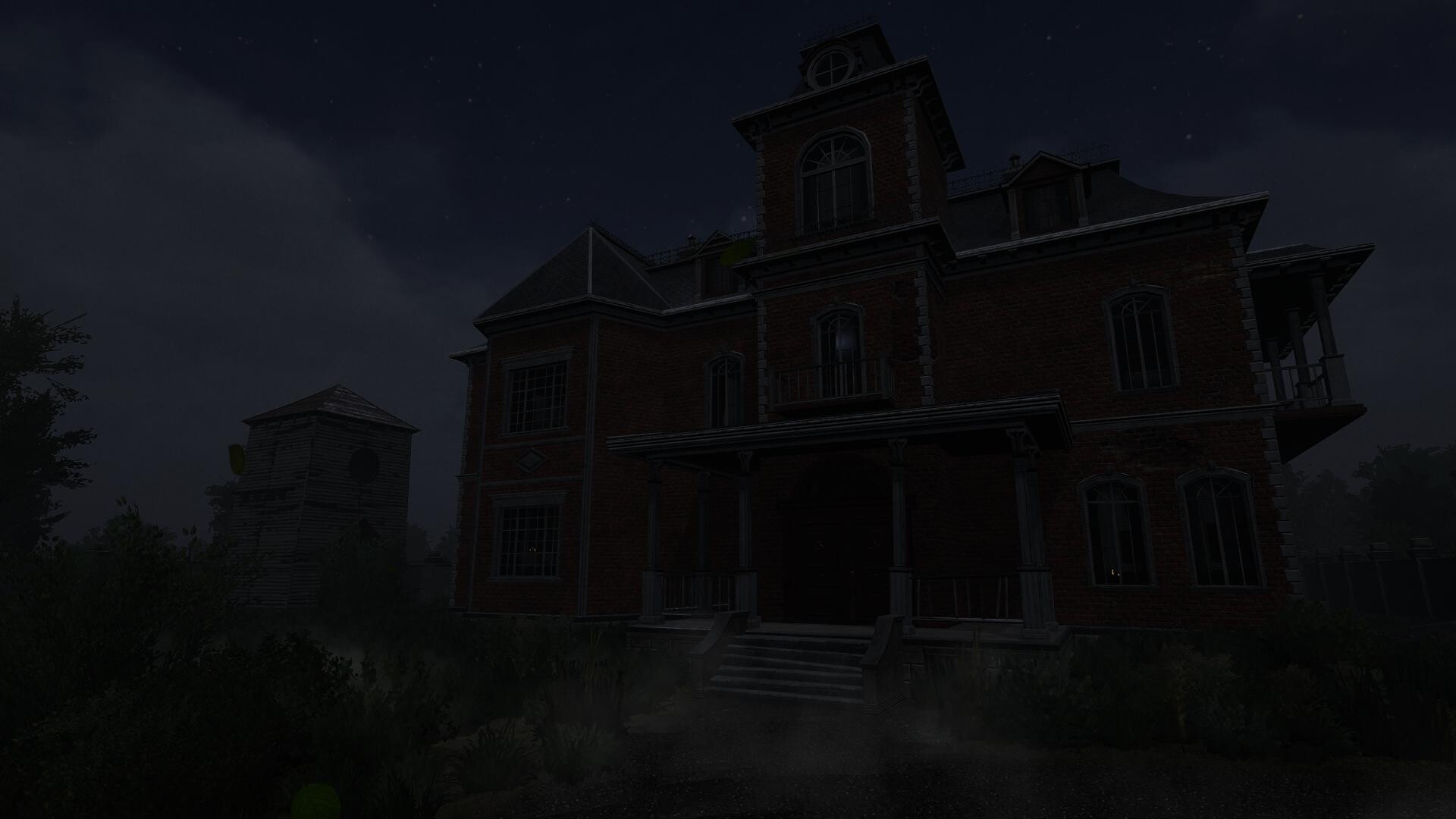
Why quiet tension and uncertainty matter here
Much of Trace of the Villa’s pitch rests on atmosphere and the slow uncovering of a carefully concealed operation. Rather than relying on repeated shocks, the game appears to build dread from absence: missing records, erased identities, and the feeling that the house was intentionally emptied of context. That kind of writing and level design makes every small discovery — a restored security terminal, an unlocked compartment, a fragment of an encrypted document — feel consequential. For players who prefer tension that accumulates and reframes the investigation, uncertainty is the engine of engagement.
How progression and investigation work
The Steam description makes the mechanics clear in tone if not in full detail: you restore power, bring systems back online, and use those systems to access hidden compartments, safes and encrypted files. Puzzle solving and exploration are described as the primary drivers of narrative progress: solving a puzzle yields new documents or leads that extend the timeline and point to arrivals, departures, and movements masked behind falsified identities. That positions the game as a narrative puzzle experience where reading the environment and tracing financial or document clues matters as much as any action sequence.

Player scenarios — should you wishlist this?
- Wishlist if you like slow-burn psychological horror and methodical, clue-driven exploration rather than jump-scare action.
- Wishlist if you enjoy environmental storytelling and piecing together narrative through documents, terminals and layout rather than through cutscenes or explicit exposition.
- Skip or wait if you prefer high-tempo survival horror or multiplayer tension; Trace of the Villa is presented as a single-player, story-focused experience.
- Consider placing it on your list if accessibility options such as subtitle options, custom volume controls, and “playable without timed input” are important to you — these categories appear on the Steam page.
Quick facts
| Title | Trace of the Villa |
|---|---|
| Steam App ID | 3483660 |
| Release Date | 28 May, 2026 |
| Developer | Steadyturtle Co., Ltd. |
| Publisher | Steadyturtle Co., Ltd. |
| Genres | Action, Adventure, Indie |
| Categories | Single-player; Color Alternatives; Custom Volume Controls; Playable without Timed Input; Subtitle Options; Family Sharing |
| Steam store link | Trace of the Villa on Steam |
| User reviews (Steam) | No user reviews |
How it compares — editorial discovery
Below is a focused comparison to help you place Trace of the Villa among familiar psychological and exploration-led horror titles. This is an editorial comparison based on genre, tone and pacing rather than any claim of superiority.
| Title | Genre / Tone | Puzzle & Investigation Focus | Exploration Style | Pacing | Player fit |
|---|---|---|---|---|---|
| Trace of the Villa | Action / Adventure / Indie — Mansion mystery, psychological investigation | Document-driven puzzles, restoring systems, unlocking compartments | Close-quarters mansion exploration, environmental clues | Slow-burn, clue accumulation | Players who like atmospheric mystery and narrative puzzle design |
| Amnesia: The Dark Descent | Action / Adventure / Indie — immersive first-person survival horror | Survival mechanics and puzzle elements combined with immersion | First-person, atmospheric rooms and corridors | Relentlessly tense, sustained dread | Players seeking immersive, low-visibility horror and vulnerability |
| SOMA | Action / Adventure / Indie — sci-fi existential horror | Philosophical narrative puzzles and environmental storytelling | Lab and facility exploration with narrative reveals | Measured, narrative-forward pacing | Players who want story-heavy, thought-provoking horror |
| Layers of Fear (2016) | Adventure / Indie — psychological mansion horror | Story-focused puzzles that shift perception and environment | Procedural-feeling, shifting mansion spaces | Psychological, often disorienting pacing | Players who enjoy surreal narrative and atmosphere over action |
| Poppy Playtime | Action / Adventure / Indie — puzzle-horror in an abandoned factory | Gadget-driven puzzles and physics-based problem solving | Large facility exploration with puzzle rooms | Moderate tempo with scripted chase moments |
Leave a Reply