
Trace of the Villa — an inspection-heavy mansion mystery for slow-burn puzzle players
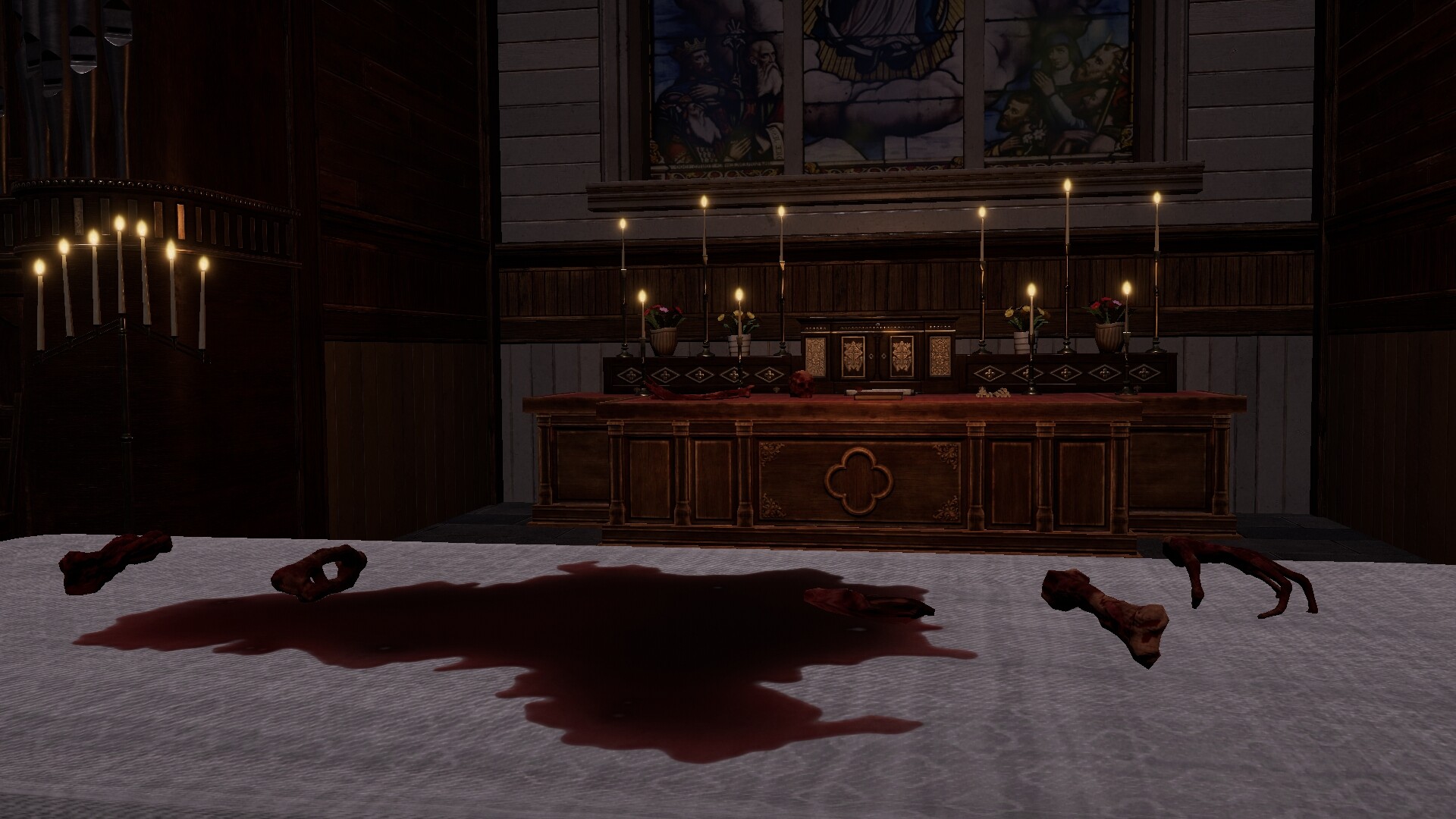
Trace of the Villa places you in a decaying, tightly controlled mansion where clue chains and object logic drive both story and progression. The Steam page frames it as a methodical, inspection-heavy adventure that rewards careful reading of environments and chained discoveries.


Quick facts
| Title | Trace of the Villa |
|---|---|
| Release date | 28 May, 2026 |
| Developer / Publisher | Steadyturtle Co., Ltd. |
| Steam appid | 3483660 |
| Genres | Action, Adventure, Indie |
| Categories | Single-player; Color Alternatives; Custom Volume Controls; Playable without Timed Input; Subtitle Options; Family Sharing |
| Short premise | Jin searches a remote, decaying mansion for leads on his missing sister; restoring power and uncovering manifests reveals layers of concealed operations. |
Who this is for
Trace of the Villa suits players who prefer slow-burn suspense and careful observation over twitch mechanics: fans of atmospheric mystery adventure and narrative puzzle design who want to piece together a story through objects, manifests, and environmental cues. Because the title lists “Playable without Timed Input” and is single-player, it’s a fit for players who like methodical pacing, optional accessibility choices, and a focus on investigation rather than reflexes.
What the game actually is
According to the official Steam description, you play as Jin, a protagonist who has followed leads to a remote mansion where evidence suggests his sister may still be alive. The house is arranged like a set of chained clues: restoring power brings systems back online, hidden compartments reveal encrypted fragments, and each solved puzzle opens access to another layer of the estate’s history. The design emphasis is object logic and environmental reading — the mansion feels less abandoned than intentionally stripped of identity, which foregrounds puzzle-driven discovery over explicit exposition.
When and where
Trace of the Villa launched on Steam on 28 May, 2026 and is offered by Steadyturtle Co., Ltd. on the Steam platform. The store page lists platform-relevant options such as subtitle settings and custom audio controls alongside family sharing compatibility, which signals a standard PC release focused on accessibility for single-player discovery.
Why the mansion and inspection-heavy gameplay matter
Locked-room thinking and clue chains are central to the game’s promise: rather than isolated puzzles, you’re meant to assemble evidence into sequences that unlock both mechanical and narrative progress. The mansion setting amplifies environmental storytelling — missing photographs, sanitized records, and sealed systems are design elements that transform ordinary objects (ledgers, consoles, safes) into nodes of inference. For players who prize narrative logic, the house itself becomes an argument: interpret the environment correctly and the estate’s hidden operation is revealed one connected discovery at a time.
How progression works: object logic, environmental puzzles, and inspection
- Object logic over rote codes: expect puzzles to depend on how items relate rather than random combination—manifests, transfer records, and restored systems provide context needed to solve the next piece.
- Environmental reading: room composition, placement of personal effects, and missing details act as clues; careful inspection is the core gameplay loop.
- Chained discovery: restoring power or unlocking one compartment often presents new evidence that reframes earlier clues, so backtracking with fresh context is intentional and necessary.
- Accessibility and pace: “Playable without Timed Input” and subtitle options mean you can take time to examine without pressure, aligning with puzzle-adventure sensibilities.
Player scenarios — who should wishlist this
Here are concrete player situations where Trace of the Villa will likely match expectations:
- Investigative player: you enjoy cataloging clues, making logical inferences, and solving puzzles that hinge on reading the environment rather than trial-and-error.
- Atmosphere-first explorer: you value mood, slow-burn suspense, and a mansion that communicates its story through setup and omission rather than constant narration.
- Accessibility-conscious player: you prefer no timed inputs and clear subtitle/custom audio options so you can play at your own pace.
- Single-player story-seeker: you want a narrative revealed through fragments—manifests, encrypted documents, and system logs—rather than a linear cinematic script.
How it compares to nearby mystery/puzzle games
Below is a concise editorial comparison to help you decide if Trace of the Villa fits your tastes compared to other puzzle-led experiences.
| Title | Puzzle focus | Interaction / Perspective | Tone & pacing | Player fit |
|---|---|---|---|---|
| Trace of the Villa | Object logic, chained environmental clues | First-person, inspection-heavy single-player | Slow-burn mansion mystery; investigative and atmospheric | Players who like narrative puzzles and methodical inference |
| The Room | Mechanical puzzling around intricate contraptions and safes | First-person, tactile puzzle box interaction | Focused, tactile puzzle tension with a contained atmosphere | Players who enjoy handcrafted mechanical riddles and tactile problem-solving |
| The Room Two | Expanded mechanical puzzles with layered locations | First-person, puzzle-box exploration across varied scenes | Similar to The Room but broader and more exploratory | Fans of carefully designed single-room and multi-room mechanical puzzles |
| Escape Simulator | Highly interactive escape-room style puzzles; physics-enabled objects | First-person; solo or cooperative; sandbox interactivity | Playful, often shorter-room scenarios with community-made content | Players who want object-level manipulation, co-op options, and a creative community |
Practical notes from the Steam page
The official short description and store details set expectations: a narrative driven by a personal search (Jin and his missing sister), a property cut off from the grid, and the discovery process anchored in restoring power and decrypting records. Developer and publisher are listed as Steadyturtle Co., Ltd., which frames the release as an indie production focused on atmospheric, story-rich pacing.
YouTube discovery
If you want trailers or gameplay clips, search results can be found here (use for discovery; a specific official video is not claimed): Trace of the Villa on YouTube.
Steam page and wishlist
View Trace of the Villa on Steam / add to your wishlist
Referenced titles and trademarks belong to their respective owners. Comparisons in this article are editorial discovery only and are intended to highlight differences in genre, atmosphere, puzzle focus, exploration style, story tone, and pacing.