
Trace of the Villa — how clue reading, object logic and story puzzles become the evidence of a mystery
Trace of the Villa casts you as Jin, a man whose years-long search for his missing sister leads into a cut-off, decaying mansion where manifests, encrypted records and locked systems hint that she may still be alive. Released on 28 May, 2026 by Steadyturtle Co., Ltd., the game leans on environmental storytelling and puzzle-driven investigation to make each solved object and discovered document feel like courtroom evidence in an unfolding case.

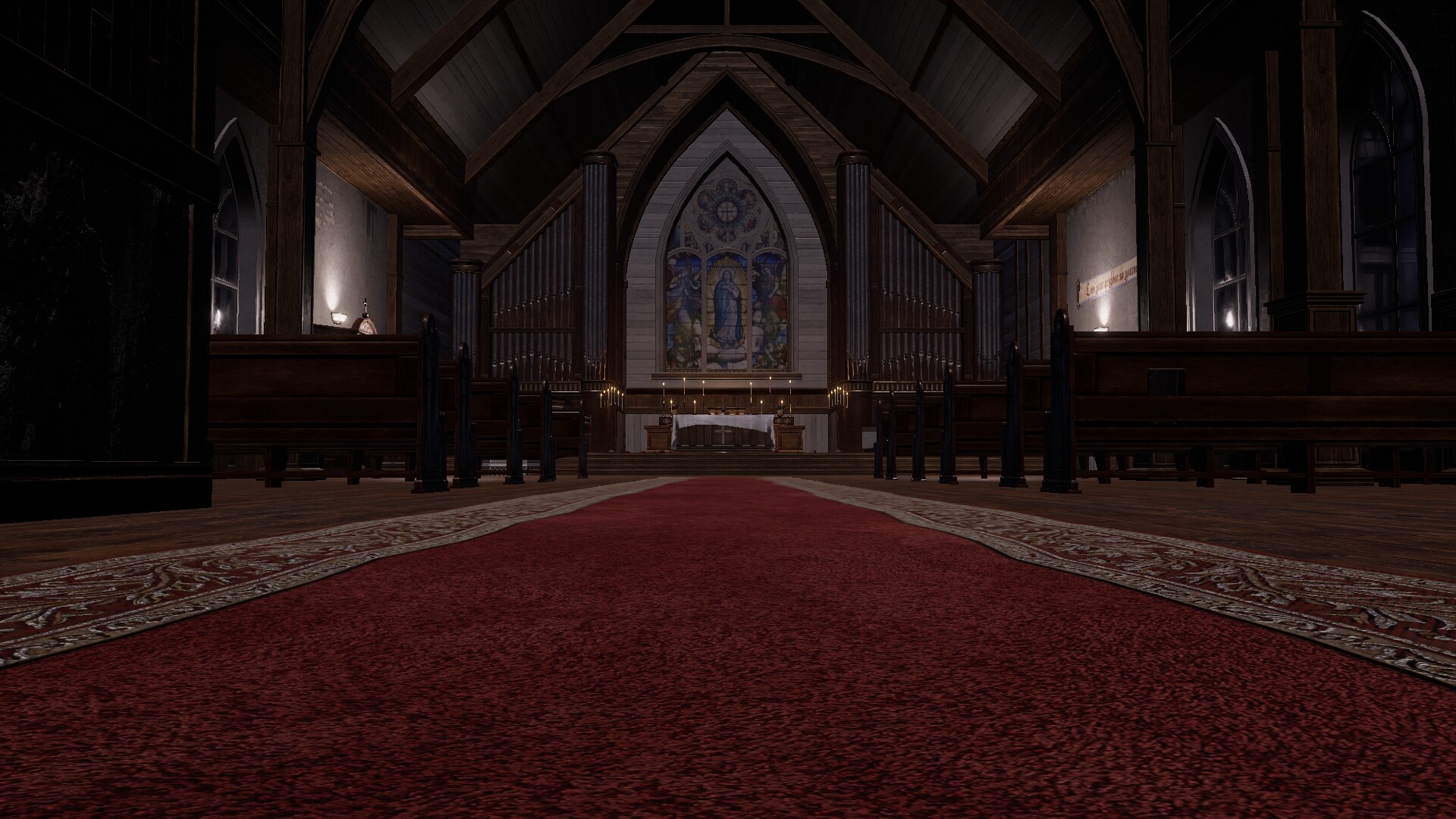
Quick facts
| Title | Trace of the Villa |
|---|---|
| Steam appid | 3483660 |
| Release date | 28 May, 2026 |
| Developer / Publisher | Steadyturtle Co., Ltd. |
| Genres | Action, Adventure, Indie |
| Categories | Single-player; Color Alternatives; Custom Volume Controls; Playable without Timed Input; Subtitle Options; Family Sharing |
| Official short description | Jin has spent years searching for his missing sister, pursuing leads that took him to a remote, decaying mansion where he recovered manifests and hints that indicate his sister may still be alive, somewhere at the end of the trail he is about to follow. |
Who is this for?
Players who favour story-rich adventure games where interrogation of the environment is the primary game loop will find the premise compelling. If you prefer puzzle design that reads like evidence—documents, manifests, encrypted notes and household objects that must be interpreted to advance—Trace of the Villa is targeted at that investigative sensibility. The Steam listing also flags accessibility features (custom volume, subtitles, color alternatives) and single-player pacing, which align with a slower, methodical player approach rather than twitch action.
What the game actually is
According to the official Steam description, Jin investigates a deliberately forgotten mansion where rooms appear preserved and identities seem erased. Restoring power and reactivating secured systems yields hidden compartments, safes and fragments of encrypted documents and suspicious transfer records. Each solved puzzle peels back a layer of a larger, concealed operation — a narrative built from traces rather than exposition.
When and where
Trace of the Villa launched on Steam on 28 May, 2026. The game’s Steam page provides the usual PC storefront context: developer and publisher listed as Steadyturtle Co., Ltd., and the title categorized under Action, Adventure and Indie with single-player and accessibility options.
Why this theme matters — puzzles as evidence
Where many mystery-puzzle games rely on diary entries or cutscenes to supply motive and context, Trace of the Villa presents clues as fragments of a procedural record: manifests, transfer logs and encrypted notes. That framing turns every solved mechanical puzzle into corroborating evidence. The house’s systems and safes don’t just open doors; they produce artifacts that rearrange your understanding of who lived here, why identities might be removed, and whether Jin’s sister is a survivor or a trace in someone else’s ledger.
How you progress — reading clues, object logic, story puzzles
Progression is driven by three interlocking behaviours:
- Clue reading: documents and system logs act as primary leads. The Steam description explicitly mentions manifests and encrypted records as discoverable artifacts.
- Object logic: environmental puzzles, safes and locked compartments require players to accept the mansion’s internal logic—what an item implies about a timeline or identity—and apply that logic to other objects.
- Story puzzles: solving puzzles unlocks narrative fragments (systems coming back online, hidden compartments, discovered transfer records) that recontextualize previously encountered clues and point to new areas to examine.
Because the game emphasizes object- and document-driven discovery, the satisfaction comes less from high-octane action and more from assembling coherent narratives from scattered evidence.
Player scenarios — who should wishlist it?
- If you like slow-burn suspense and building a case from items and documents, wishlist it: Trace of the Villa turns evidence-gathering into the main reward.
- If you need accessibility options and non-time-pressured puzzles, wishlist it: the Steam page lists subtitle options, custom volume controls, color alternatives and “playable without timed input.”
- If you prefer fast action, online co-op or puzzle rooms emphasizing physics and item-bashing, this may not match your playstyle; the title is single-player with a narrative focus.
How Trace of the Villa compares to nearby puzzle-adventure experiences
Below is a concise editorial comparison focused on genre, atmosphere, puzzle focus, exploration style, story tone and pacing. These are observational contrasts based on the listed descriptions and categories for each title — intended to help players judge fit, not to rate.
| Title | Genre / Release | Atmosphere | Puzzle focus | Exploration style | Player fit |
|---|---|---|---|---|---|
| Trace of the Villa | Action / Adventure / Indie — 28 May, 2026 | Mansion mystery; documentary/evidence tone | Document-driven safes, encrypted records, object logic | Single-player, methodical environmental investigation | Players who like narrative puzzles that act as evidence |
| The Room | Adventure / Indie — 28 Jul, 2014 | Mysterious, tactile puzzle-box atmosphere | Mechanical puzzle boxes and tactile interactions | Focused, room-by-room puzzle chambers | Players who enjoy intricate single-chamber mechanical puzzles |
| The Room Two | Adventure / Indie — 5 Jul, 2016 | Cryptic and atmospheric, similar tactile mystery | Expanded mechanical puzzles with layered interactions | Directed progression through set puzzle spaces | Players who enjoyed The Room and want more layered devices |
| Escape Simulator | Adventure / Casual / Indie — 19 Oct, 2021 | Bright, interactive escape-room design | Highly interactive objects, physics and community rooms | Room-based, often cooperative or community levels | Players who like hands-on object interaction and co-op rooms |
Leave a Reply