
Trace of the Villa — an atmospheric mystery about a missing sister and a house that refuses to stay forgotten
Jin has spent years searching for his missing sister, and a single cold lead brings him to a remote, decaying mansion where manifests and hints suggest she may still be alive. Trace of the Villa (Steadyturtle Co., Ltd.) frames its stakes around one person’s obsession: identity, disappearance, and the slow unspooling of a deliberately erased past.

Who, what, when, where, why, how — the quick editorial checklist
Who is this for?
Players who favor story-rich indie adventure with high personal stakes: people who enjoy environmental storytelling, slow-burn suspense, and investigations driven by recovered documents and household traces rather than loud action beats. If you prize character motivation and the feeling that every room could alter the narrative, this is targeted at you.
What is the game?
Trace of the Villa is an Action / Adventure / Indie game developed and published by Steadyturtle Co., Ltd. Its premise centers on Jin, who follows a lead to a remote mansion after years searching for his missing sister. Inside, evidence suggests identities have been erased and systems deliberately shut down or hidden; recovering power and unlocking secured systems reveal encrypted documents, transfer records, and personal fragments that build the mystery.
When and where?
Trace of the Villa launched on Steam on 28 May, 2026. The Steam store page is the official spot for platform details, system requirements, and media.
Why the theme matters
The game’s core is missing-person stakes. That framing turns ordinary environmental detail—furnishings left in mid-routine, locked doors, absent photographs—into emotional levers. The search for a sister gives the exploration purpose: every recovered manifest or encrypted fragment feeds character motivation, not just puzzle completion.
How you progress
Progression is clue-driven. Jin restores power to the property, then uses reactivated systems and unlocked compartments to extract fragments of the estate’s operations: manifests, transfer records, safes, and encrypted documents. Solving environmental and narrative puzzles reveals layers of falsified identities and controlled movements; the more you restore and decode, the clearer the pattern of what the mansion served becomes.
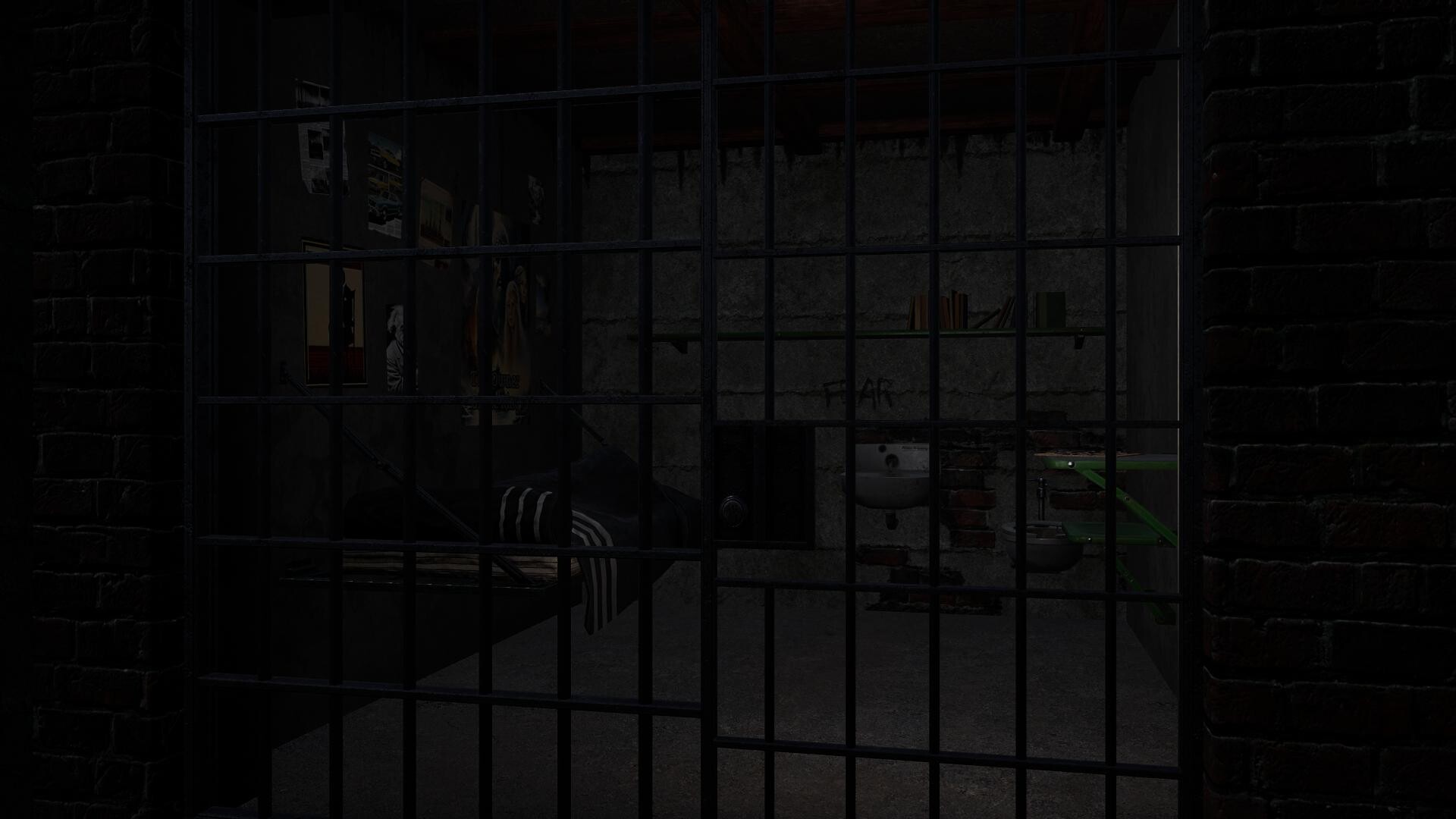
Visuals from the Steam page

Compact facts
| Title | Trace of the Villa |
|---|---|
| Developer / Publisher | Steadyturtle Co., Ltd. |
| Release date | 28 May, 2026 (Steam) |
| Genres | Action, Adventure, Indie |
| Categories / Features | Single-player; Color Alternatives; Custom Volume Controls; Playable without Timed Input; Subtitle Options; Family Sharing |
| Steam link | Trace of the Villa on Steam |
Who should wishlist it — three player scenarios
1) The slow-burn investigator
You like your revelations parceled out by documents, safes, and quietly rebooted systems. If you prefer piecing together motive through recovered manifests rather than cinematic reveals, add it to your list.
2) The character-first explorer
If character motivation—Jin’s obsession, the family stakes, the emotional weight of a missing person—sways your interest more than combat or high-octane gameplay, this title is aimed at you.
3) The atmospheric puzzle player
You enjoy puzzles embedded in location: restore power, crack encrypted fragments, and follow financial and identity trails. The mansion’s layout and locked systems act as both puzzle device and narrative engine.
How Trace of the Villa sits next to other story-driven mysteries
Below is an editorial comparison on lawful criteria: genre, atmosphere, puzzle/exploration focus, story tone, and pacing. These are intended to help decide fit, not to rate or rank.
| Title | Genre | Atmosphere | Puzzle / Exploration Focus | Story Tone | Pacing |
|---|---|---|---|---|---|
| Trace of the Villa | Action / Adventure / Indie | Mansion mystery, erased identities, personal stakes | Clue-driven: power restoration, manifests, encrypted documents, safes | Personal, investigative, unsettling | Slow-burn, methodical |
| Inscryption | Adventure / Indie / Strategy | Inky, psychological, dark card-game theatre | Deck- and puzzle-hybrid; meta-puzzles built around card mechanics | Psychological horror, meta-mystery | Variable — can be tense and layered |
| Outer Wilds | Action / Adventure | Open-space wonder mixed with cosmic unease | Exploration-driven mysteries via environment and mechanics | Curious, existential, discovery-focused | Exploratory loop-based pacing |
| Journey | Adventure / Indie | Minimalist, poetic, emotionally evocative | Traversal and environmental discovery over explicit puzzles | Atmospheric, contemplative | Flowing, meditative |
| The Forgotten City | Adventure / Indie / RPG | Ancient ruin, moral puzzle atmosphere | Dialogue and time-loop mechanics to solve civic-scale mystery | Philosophical, investigative | Investigative with puzzle-driven climaxes |
| The Medium | Adventure | Psychological, dual-reality dread | Exploration across real and spirit realms; puzzle-based progress | Trauma-focused, eerie | Atmospheric, steady tension |
YouTube discovery
Want to see trailers or gameplay clips? Use this YouTube search path to find community videos and trailers:
YouTube discovery
For trailer and gameplay discovery, use YouTube search rather than relying on unverified embeds: Find Trace of the Villa trailer and gameplay searches on YouTube.
Leave a Reply