
Trace of the Villa: where locked-room thinking meets power, systems, safes, and document-driven mystery
Trace of the Villa is an atmospheric mystery adventure about Jin’s search for a missing sister in a remote, decaying mansion; the official premise places restoration of power and the recovery of manifests, safes and encrypted documents at the heart of its investigation. Released on 28 May, 2026 and developed and published by Steadyturtle Co., Ltd., the game frames clue chains around secured systems coming back online and hidden compartments yielding fragments of a larger operation.

| Title | Trace of the Villa |
|---|---|
| Developer / Publisher | Steadyturtle Co., Ltd. |
| Release date | 28 May, 2026 |
| Genres | Action, Adventure, Indie |
| Steam categories | Single-player; Color Alternatives; Custom Volume Controls; Playable without Timed Input; Subtitle Options; Family Sharing |
| Steam page | Trace of the Villa on Steam |
What the game actually is
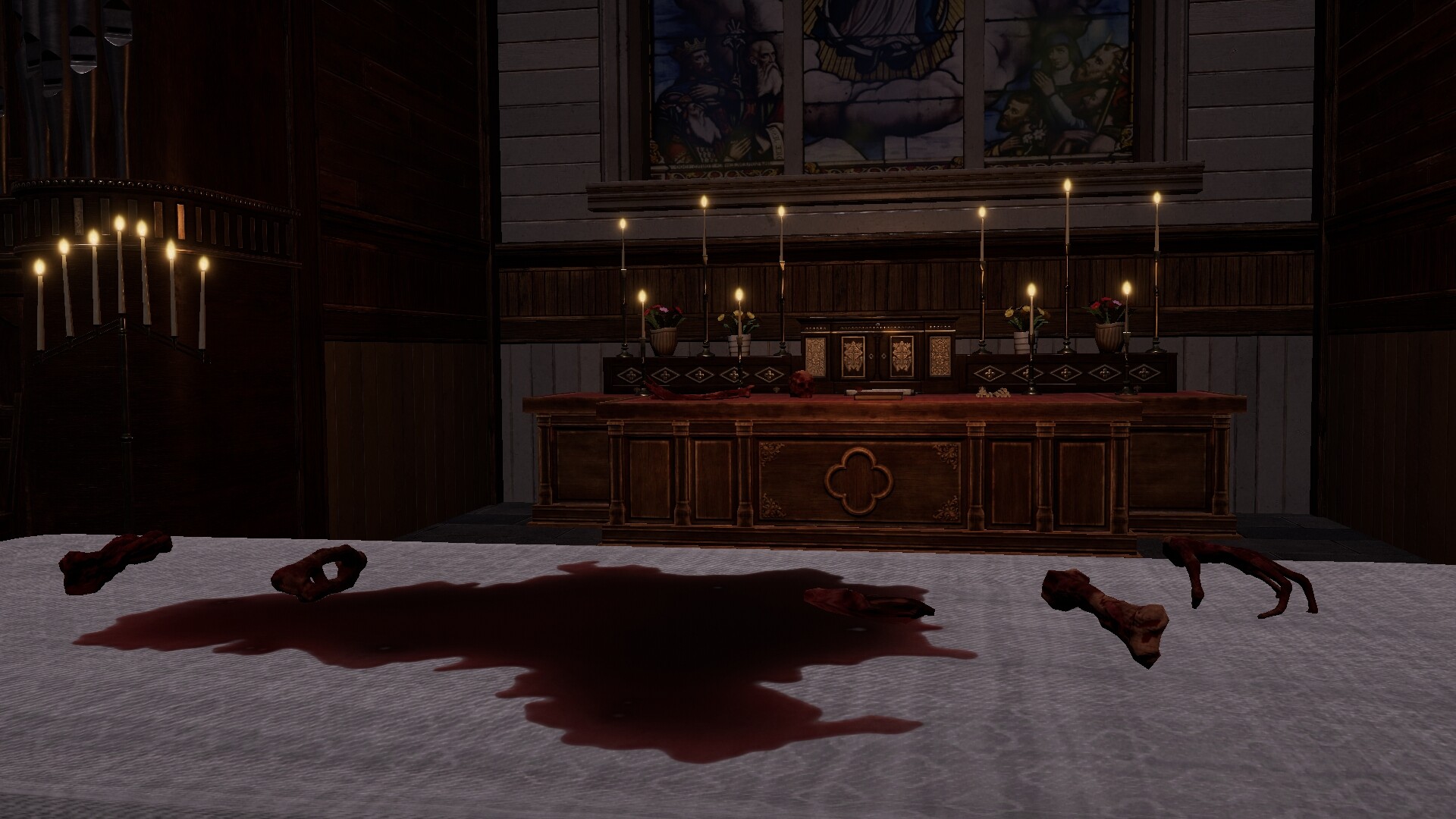
Officially described on its Steam page, Trace of the Villa casts Jin as a lone investigator who follows a lead to a property “cut off from the grid and deliberately forgotten.” The mansion’s rooms feel as if their occupants vanished mid-routine; locked doors, hastily secured secrets, and the absence of photographs or names suggest identities have been erased. The premise emphasises restoring power to an estate so that secured systems come back online, hidden compartments unlock, and safes yield fragments of encrypted documents and suspicious transfer records.

Who this is for
Players who enjoy slow-burn suspense rooted in environmental storytelling and investigative play will find the premise relevant: if you like following layered clue chains—powering a site, reading returned logs, opening safes, and assembling a timeline from manifests and encrypted fragments—this is aimed at you. The Steam categories list single-player and accessibility options such as subtitle support and playable-without-timed-input, which also signals a player-first, contemplative approach rather than twitch-heavy action.
When and where
Trace of the Villa launched on Steam on 28 May, 2026. It’s presented as a PC Steam release by Steadyturtle Co., Ltd.; the official Steam page is the best source for platform-specific system requirements and post-release updates.
Why the theme of systems, safes and documents matters
Locked-room thinking in narrative puzzles often hinges on constraints that force careful observation. The official description makes the mechanics part of the story: restoring electrical and secured systems is not just an abstract puzzle device but a narrative lever that reveals history through recovered manifests, encrypted documents and suspicious financial traces. That places mechanical tasks—finding a breaker, flipping power, reactivating a terminal—squarely into the chain of inferences players must make to reconstruct what happened.
How progression reads as investigation
The game’s premise explicitly links mechanical progression (restored power, systems coming online, safes opening) to narrative discovery: each solved lock or recovered file yields another fragment of a carefully concealed operation—falsified identities, transfer records, and arrivals without records. That structure rewards methodical note-taking and environmental reading: clues live in objects, documents and the order in which systems become accessible, so progress is as much about chaining evidence as it is about solving isolated puzzles.
Player scenarios — who should wishlist it
- Single-player environmental detectives: you prefer games that make the house itself a witness and require patient reconstruction of events from items and documents.
- Clue-chain puzzle solvers: you like situations where one solution unlocks new systems and a new set of clues that extend the mystery.
- Story-first explorers: you value atmosphere and psychological investigation—rooms staged as if people vanished mid-routine and a narrative that emerges from recovered records.
- Accessibility-minded players: you appreciate options such as subtitles and playable-without-timed-input for a deliberate pacing of investigation.
How it compares (quick editorial table)
| Title | Core focus | Puzzle style | Exploration | Story tone / pacing | Who might prefer |
|---|---|---|---|---|---|
| Trace of the Villa | Powering systems, safes, encrypted documents (investigative mystery) | Chain-based, document and system-driven | Single-player mansion exploration; read environment for clues | Psychological investigation, slow-burn suspense | Players who like environmental storytelling and methodical clue-chaining |
| The Room | Mechanical safes and puzzle boxes within a mysterious setting | Intricate physical puzzles centered on locks and mechanisms | Focused, room-by-room puzzle spaces | Mystical, tense; deliberate pacing | Players who enjoy tactile, mechanical puzzles and mystery atmosphere |
| The Room Two | Expanded mechanical puzzles in cryptic halls and locales | Sequence puzzles with elaborate contraptions | Linear exploration through varied scenesYouTube discoveryFor trailer and gameplay discovery, use YouTube search rather than relying on unverified embeds: Find Trace of the Villa trailer and gameplay searches on YouTube. CommentsMore posts |
Leave a Reply