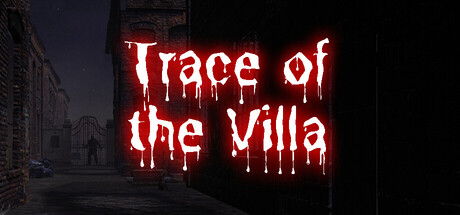
Trace of the Villa and the Power of Quiet Terror
Trace of the Villa is a light-touch psychological mystery that trades cheap shocks for mounting uncertainty: a single-player, clue-driven exploration of a decaying mansion where absence is the loudest presence. Released 28 May, 2026 by Steadyturtle Co., Ltd., it frames investigation as a slow burn—power restoration, encrypted fragments, and empty rooms that demand you pay attention to what’s missing as much as what’s found.

What Trace of the Villa is
At its surface, Trace of the Villa is an action-adventure indie on Steam that centers on Jin, who has spent years searching for his missing sister. A lead brings him to a remote, deliberately forgotten mansion where the player restores power, opens locked systems, and slowly exposes falsified identities, transfer records and encrypted documents. The Steam description emphasizes environmental storytelling: rooms left mid-routine, personal effects with names removed, and systems that reveal hidden compartments as power returns.
| Title | Trace of the Villa |
|---|---|
| Steam AppID | 3483660 |
| Release Date | 28 May, 2026 |
| Developer / Publisher | Steadyturtle Co., Ltd. |
| Genres | Action, Adventure, Indie |
| Key Categories | Single-player; Color Alternatives; Custom Volume Controls; Playable without Timed Input; Subtitle Options; Family Sharing |
Who this is for
- Players who prefer slow-burn suspense and investigation over constant jump scares.
- Fans of atmospheric mystery adventure and narrative puzzle design—people who enjoy reading clues, restoring systems, and letting implication carry the mood.
- Anyone who values environmental storytelling: the mansion’s emptiness and erased identities are a core mechanic, not just decoration.
When and where to find it
Trace of the Villa is available on Steam with a release date of 28 May, 2026. The Steam page lists the game as an Action/Adventure/Indie title from Steadyturtle Co., Ltd., and the store entry includes the screenshots and header art shown above.
Why quiet dread matters more than loud shocks
Horror that leans on silence and omission activates a different part of a player’s attention than jump-scare design. An empty room furnished as if its occupants vanished mid-routine asks you to fill the gap: who left, why are names removed, what do missing photographs imply? Trace of the Villa ties discovery to the act of returning utility and authority to the estate—restoring power is literal and metaphorical, steadily illuminating why absence feels intentional. In this structure, fear is cognitive: uncertainty breeds questions that the game invites you to answer, and answers arrive as slow, unnerving fits rather than explosive frights.
How you progress — the investigative loop
The Steam description outlines a clear investigative loop: explore rooms that look lived-in and then erased; find manifests and hints; restore systems; unlock compartments and safes; decrypt fragments of documents and follow financial traces. Progress relies on reading environmental clues and piecing together timelines rather than combat or reflex-based mechanics. The categories listed on the Steam page—subtitle options, color alternatives, and being playable without timed input—suggest the experience prioritizes thoughtful engagement and accessibility for readers who want a methodical pace.
Player scenarios — decide if it fits your playstyle
- You like slow, cerebral mysteries: If you savor poring over documents, re-checking rooms for subtle changes, and following an unraveling financial trail, this is likely a good fit.
- You want atmospheric exploration with light action elements: The game’s Action/Adventure label suggests movement and interactive systems are present, but the core tension is investigative, not combat-driven.
- You prefer fast-paced horror or non-stop shocks: Expect a different rhythm here—Trace of the Villa is oriented around uncertainty and the discomfort of things missing, not one-off surprises.
How it compares to nearby titles
Below is a concise editorial comparison meant to help you match expectations. These comparisons focus on tone, pacing, exploration and puzzle focus rather than subjective rankings.
| Title | Release Date | Atmosphere / Pacing | Exploration & Puzzle Focus | Player Fit |
|---|---|---|---|---|
| Amnesia: The Dark Descent | 8 Sep, 2010 | Claustrophobic, dread-heavy; sustained tension | First-person immersion, survival elements, discovery-driven | Players who want immersive horror and continuous dread |
| SOMA | 21 Sep, 2015 | Existential, atmospheric; slower narrative emphasis | Exploration-led, story-rich environmental puzzles | Players who prefer sci-fi existential themes with mystery |
| Layers of Fear (2016) | 15 Feb, 2016 | Psychological, museum-like Victorian unease; shifting spaces | Story and atmosphere over mechanical puzzle complexity | Those who like surreal, art-centered psychological horror |
| Poppy Playtime | 12 Oct, 2021 | Playful-but-creepy tone; puzzle-adjacent tension | Tool-based puzzles and moment-to-moment encounters | Players who want puzzle gadgets with sharper set-pieces |
| Trace of the Villa | 28 May, 2026 | Quiet dread, slow-burn uncertainty | Clue-driven investigation, restoration of systems, decrypted documents | Players who want methodical environmental storytelling and narrative puzzle design |
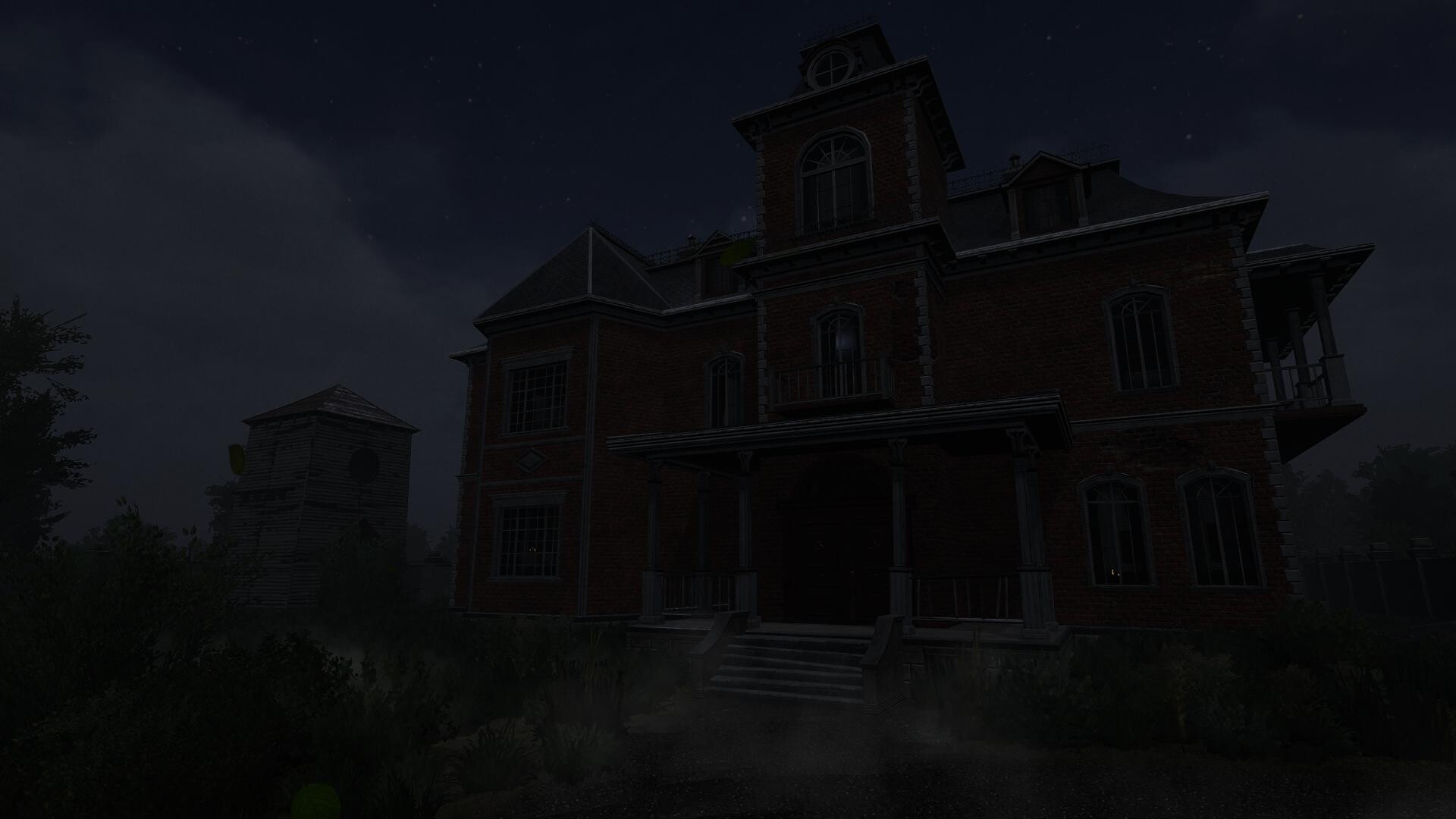

Steam page
View Trace of the Villa on Steam
YouTube discovery
For trailer and gameplay discovery, use YouTube search rather than relying on unverified embeds: Find Trace of the Villa trailer and gameplay searches on YouTube.
Leave a Reply