Trace of the Villa: why silence, room design, and slow dread matter more than jump scares
Trace of the Villa is a slow-burn mansion mystery that trades jump scares for environmental dread, silence, and unsettling room design. It casts you as Jin, who follows leads into a decaying, off-grid manor where restoring systems and uncovering manifests gradually reveal a carefully concealed operation.

Who this is for
If you prefer atmospheric mystery adventure over reflex-based horror, Trace of the Villa is aimed at players who value psychological investigation, environmental storytelling, and clue-driven exploration. Fans of paced, story-rich adventure who like to read a room — its forgotten objects, locked safes, and restarted electronics — will get the most from this mansion mystery.
What the game is
Trace of the Villa (Steadyturtle Co., Ltd.) is listed on Steam under Action, Adventure, Indie and is presented as a single-player, story-driven experience with accessibility options (Color Alternatives, Custom Volume Controls, Playable without Timed Input, Subtitle Options, Family Sharing). The official short description: “Jin has spent years searching for his missing sister, pursuing leads that took him to a remote, decaying mansion where he recovered manifests and hints that indicate his sister may still be alive, somewhere at the end of the trail he is about to follow.”
When and where
Trace of the Villa released on 28 May, 2026 and is available on Steam for PC. You can view the store page here: Trace of the Villa on Steam.
Why the theme matters: environmental dread and silence
The game’s core strengths in its Steam description are environmental dread, silence, and unsettling room design. The mansion “feels less abandoned than erased” — rooms staged as if occupants vanished mid-routine, personal items left undisturbed, and the deliberate absence of names or photographs. That curated emptiness turns every lamp, piece of furniture, and locked door into a storytelling device. Where jump-scare design tries to shock, this approach uses sustained uncertainty: creaks, dark corners, the knowledge that restoring power will awaken systems and force the house to answer for itself.
How you progress: reading the house
Progress in Trace of the Villa is investigative and puzzle-led. The official description details actions such as restoring power to the estate, bringing systems back online, unlocking hidden compartments, and cracking safes that “yield fragments of encrypted documents and suspicious transfer records.” Each solved puzzle is designed to reveal another layer of the operation that used the mansion — financial trails, falsified identities, and the pattern of arrivals and departures masked in secrecy. That structure makes the player’s primary tool observation: note what is present, note what is erased, and use the house’s returned systems to pry open the story.
Key visuals
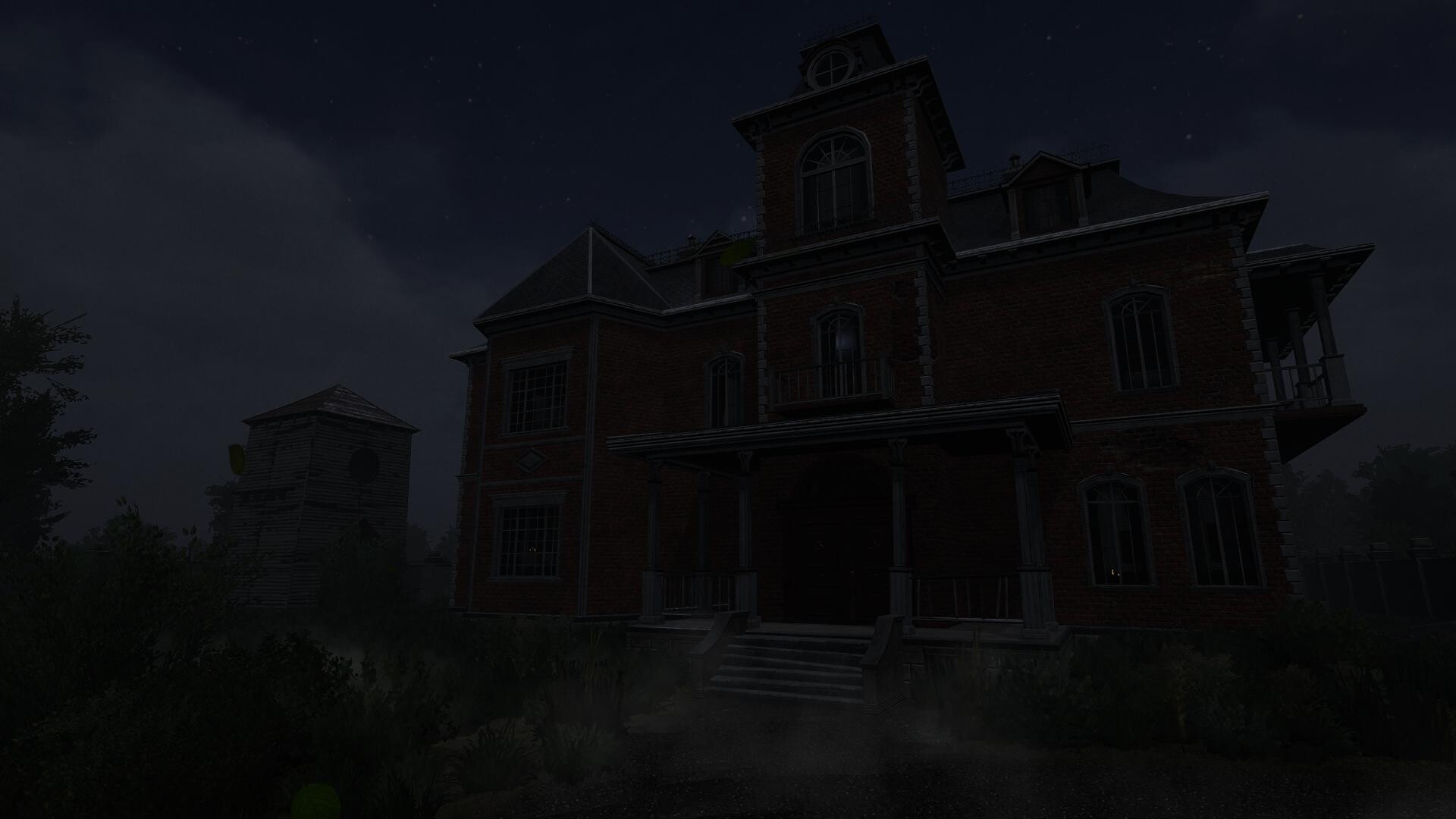

Compact facts: Trace of the Villa
| Title | Trace of the Villa |
|---|---|
| Steam appid | 3483660 |
| Release date | 28 May, 2026 |
| Developer | Steadyturtle Co., Ltd. |
| Publisher | Steadyturtle Co., Ltd. |
| Genres | Action, Adventure, Indie |
| Categories / Features | Single-player; Color Alternatives; Custom Volume Controls; Playable without Timed Input; Subtitle Options; Family Sharing |
| Official short description | Jin has spent years searching for his missing sister, pursuing leads that took him to a remote, decaying mansion where he recovered manifests and hints that indicate his sister may still be alive, somewhere at the end of the trail he is about to follow. |
Comparison: where Trace of the Villa sits in the lineup
Below is a concise, editorial comparison with several well-known narrative horror/adventure titles. Criteria: genre, atmosphere/pacing, puzzle focus, exploration style, tone, and the player who will most likely enjoy it.
| Title | Release | Atmosphere / Pacing | Puzzle focus | Exploration style | Tone / Player fit |
|---|---|---|---|---|---|
| Trace of the Villa | 28 May, 2026 | Slow-burn, environmental dread; silence and room composition | Clue-driven: restore systems, unlock safes, piece together documents | Careful, room-by-room investigation of a decaying mansion | Players who prefer narrative puzzle design and atmospheric mystery |
| Amnesia: The Dark Descent | 8 Sep, 2010 | Immersive and tense; endurance through sustained dread | Environmental puzzles plus sanity mechanics and hiding | First-person survival exploration with stealth elements | Players seeking high psychological terror and immersion |
| SOMA | 21 Sep, 2015 | Slow, philosophical sci-fi dread set in claustrophobic environments | Puzzle sequences supporting a narrative about identity | Linear exploration with story-led encounters | Players who want thoughtful, existential horror with puzzles |
| Layers of Fear (2016) | 15 Feb, 2016 | Atmospheric, hallucinatory; shifting environments | Puzzle and narrative triggers that change spaces | Unpredictable, changing mansion-style exploration | Players who like artful, psychological reveals and variable spaces |
| Poppy Playtime | 12 Oct, 2021 | More overt tension and encounters; toy-factory setting | Puzzle devices like the GrabPack; encounter-driven set pieces | Adventure-puzzle with moments of active threat | Players who want puzzle mechanics mixed with more direct danger |
Concrete player scenarios
- Quiet investigator: You enjoy cataloguing items and letting atmosphere
YouTube discovery
For trailer and gameplay discovery, use YouTube search rather than relying on unverified embeds: Find Trace of the Villa trailer and gameplay searches on YouTube.
Leave a Reply