
Who should consider Trace of the Villa after enjoying atmospheric mystery adventures?
Trace of the Villa is a story-driven, clue-forward mystery set in a remote, decaying mansion where protagonist Jin follows signs that his missing sister may still be alive. If you prize environmental storytelling, slow-burn suspense, and puzzle-led investigation in a single-player PC experience, this Steam release deserves a close look.

Quick facts
| Title | Trace of the Villa |
|---|---|
| Steam App ID | 3483660 |
| Release date | 28 May, 2026 |
| Developer / Publisher | Steadyturtle Co., Ltd. |
| Genres | Action, Adventure, Indie |
| Key Steam categories | Single-player; Color Alternatives; Custom Volume Controls; Playable without Timed Input; Subtitle Options; Family Sharing |
| Premise (short) | Jin searches a remote, decaying mansion for traces that his missing sister may still be alive. |
What Trace of the Villa is — and what it is not
Based on its Steam description, Trace of the Villa leans into atmospheric mystery adventure and narrative puzzle design: Jin restores power, reactivates secured systems, and uncovers encrypted documents, safes, and hidden compartments that reveal layers of a concealed operation. The emphasis is on reading environmental clues, following financial and identity trails, and assembling a troubling timeline — not on combat-heavy mechanics or timed reflex challenges (the Steam categories explicitly include playable without timed input).
When and where
Trace of the Villa launched on Steam on 28 May, 2026 and is listed with PC/Steam-focused categories appropriate for single-player story-driven play. The Steam page provides subtitle options and accessibility features like custom volume controls and color alternatives.
Why the mansion theme matters here
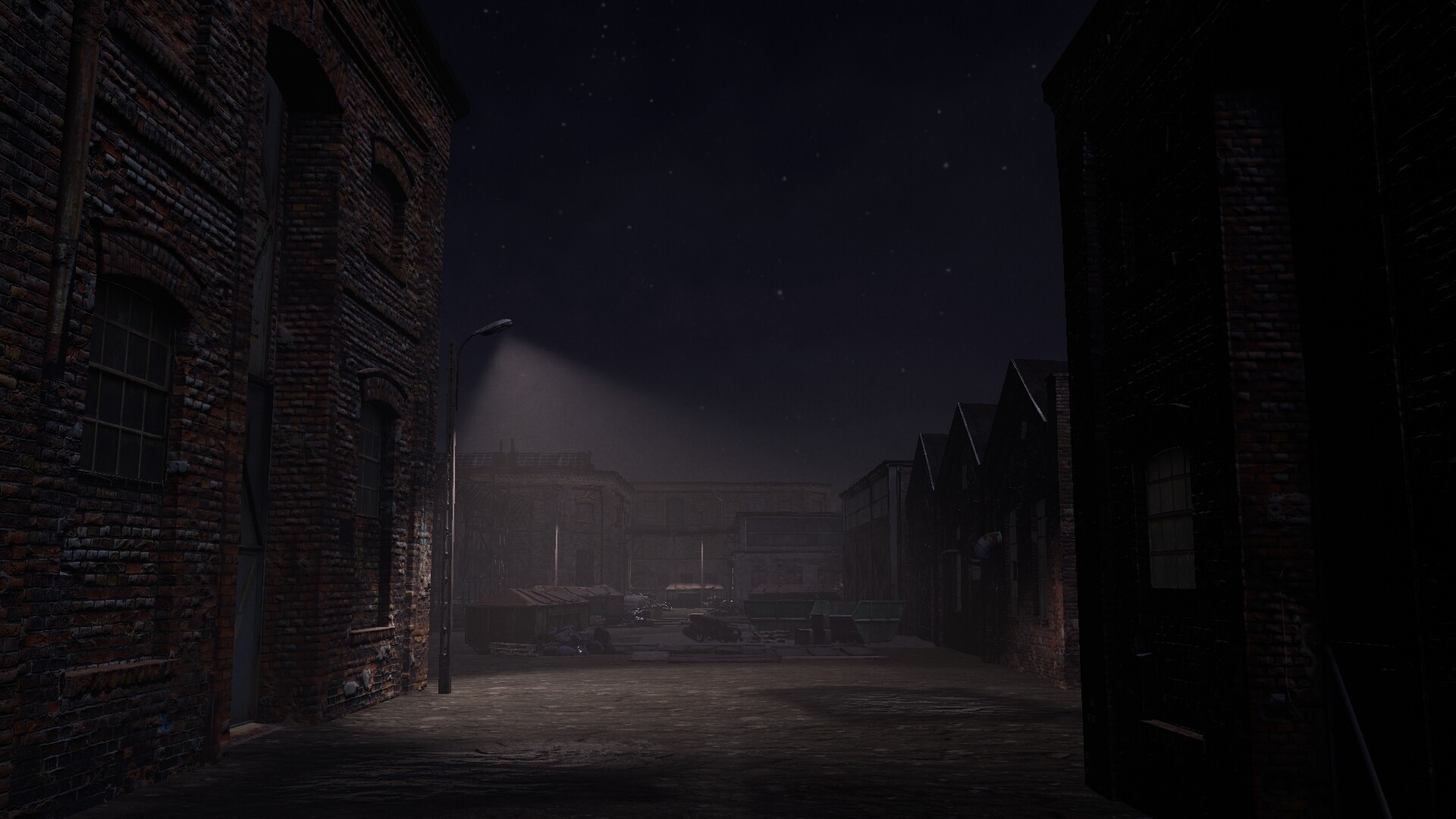
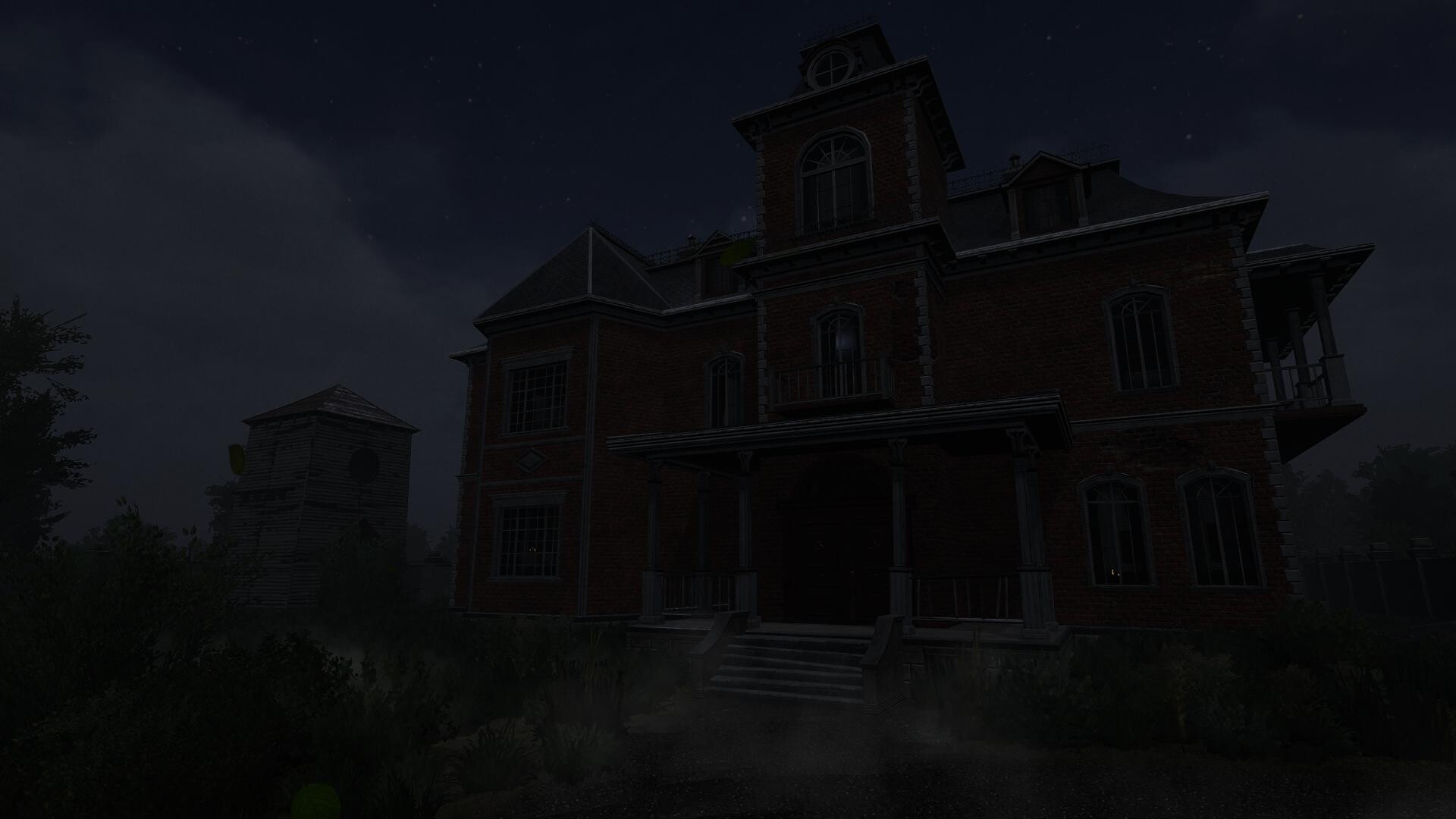
The mansion setting functions as a concentrated piece of environmental storytelling: rooms appear furnished as if occupants vanished mid-routine, identities and records are deliberately scrubbed, and systems returning online is a narrative device that turns exploration into an investigative mechanic. For players who appreciate clue-driven exploration — where solving a safe or restoring a terminal unlocks new narrative leads — the setting supports a slow-burn tone and a personal investigative throughline (Jin’s missing sister).
How you progress: clues, systems, and pacing
Progress appears to be anchored in piecing together physical and digital traces: restoring power brings systems online, safes yield encrypted fragments, and discovered manifests point to falsified identities and opaque transfers. That suggests a pacing rhythm of careful exploration, document reading, and puzzle resolution rather than twitch reactions. The Steam categories indicate accessible control options and no requirement for timed inputs, which reinforces a contemplative, puzzle-first pace.
Who should wishlist or buy this on Steam?
Consider Trace of the Villa if you fit one or more of these player scenarios:
- You like slow-burn atmosphere and mansion mysteries where environmental detail and documents drive the story.
- You prefer puzzle-driven investigation over combat or timed survival mechanics — the Steam listing notes “Playable without Timed Input” and places emphasis on discovery.
- You enjoy detective-like reconstruction of events from fragmented evidence (restored systems, encrypted fragments, manifests, and falsified records are core to the premise).
- You value accessibility options such as subtitles, custom volume controls, and color alternatives for a comfortable single-player experience.
- You’ve enjoyed story-rich indie horror or mystery games and want a title that centers narrative and exploration rather than action setpieces.
How Trace of the Villa compares to nearby mystery/adventure titles
Below is an editorial comparison focused on tone, pacing, clue design, and exploration style — intended to help readers decide if Trace of the Villa fits their tastes relative to familiar references.
| Title | Tone | Pacing | Clue / Puzzle Focus | Exploration Style |
|---|---|---|---|---|
| Trace of the Villa | Atmospheric, personal, investigative (mansion mystery centered on Jin’s missing sister) | Slow-burn, methodical — power restoration and document forensics create beats | Environmental clues, encrypted documents, safes, manifests and system reactivation | Room-by-room forensic exploration with narrative leads unlocked by puzzles |
| Amnesia: The Dark Descent | Immersive survival horror; dread and vulnerability | Relentless tension with moments of respite | Puzzle elements within a horror-survival context, often to survive or evade | First-person, immersive navigation with a strong emphasis on atmosphere and dread |
| SOMA | Sci‑fi existential horror; philosophical and unsettling | Measured, narrative-led pacing with exploration and encounters | Story-level clues, environmental logs and terminals that question identity | Underwater facility exploration that blends puzzles with narrative discovery |
| Layers of Fear (2016) | Psychological horror in a Victorian mansion; disorienting and art-focused | Variable — often uncanny shifts in scene and tempo | Sequence and psychology-driven puzzles tied to a changing environment | Linear mansion exploration with surreal restructuring of spaces |
| The Room | Curiosity-driven mystery focused on tactile mechanical puzzles | Focused, puzzle-centric; short sessionable segments | Intricate mechanical box puzzles with progressive revelations | Concentrated puzzle spaces rather than broad environmental exploration |
| Rusty Lake Hotel | Dark, surreal puzzle-adventure with a point-and-click tone | Compact, episodic pacing across rooms and days | Curio- and inventory-driven puzzles with puzzle chaining | Room-based, puzzle-dense exploration with a stylized aesthetic |
Player scenarios — who will enjoy it most
- If you loved the investigative beats in SOMA or the slow dread of Layers of Fear but want more document-forensics and fewer combat encounters, Trace of the Villa aligns well.
- If you prefer concentrated mechanical puzzles like The Room, note that Trace of the Villa appears to distribute puzzles across exploration and narrative discovery rather than single-object puzzle boxes.
- If you enjoy episodic, point-and-click puzzle logic (Rusty Lake Hotel), you may appreciate the puzzle chaining and environmental payoffs here, though the tone is framed around a more realistic mansion investigation.
- If you’re sensitive to fast reflex requirements, the Steam category “Playable without Timed Input” suggests this is a good fit.
Where to find trailers and gameplay
For trailers and gameplay videos, search YouTube using the following discovery path (this is a search link, not an assertion that a specific video is official):
Search Trace of the Villa trailer & gameplay on YouTube
Decision checklist — should you wishlist it?
Wishlist Trace of the Villa if you answered “yes” to most of the following: you value environmental storytelling, you enjoy assembling narratives from documents and systems, you prefer methodical exploration without timed mechanics, and you like mansion-based mysteries with a personal throughline.
Leave a Reply