
Trace of the Villa — an escape-room style mystery built around power, safes, and shredded records
Trace of the Villa casts you as Jin, a man following a frayed trail to a decaying, off‑grid mansion and restoring the systems that will tease its secrets back to life. The game stitches locked‑room thinking, chainable clues, and careful environmental reading into an investigation driven by restoring power, unlocking safes, and recovering fragmented documents.

Who this is for
If you prefer slow‑burn investigations where puzzles are primarily about inference and systems rather than twitch reactions, Trace of the Villa looks aimed at that player type. The official Steam listing positions the game as an Action/Adventure indie with single‑player features and accessibility options (color alternatives, subtitle options, custom volume controls, and playable without timed input), so players who want atmospheric investigation without forced reflex checks will likely find it approachable.
What the game is (official premise and mechanics)
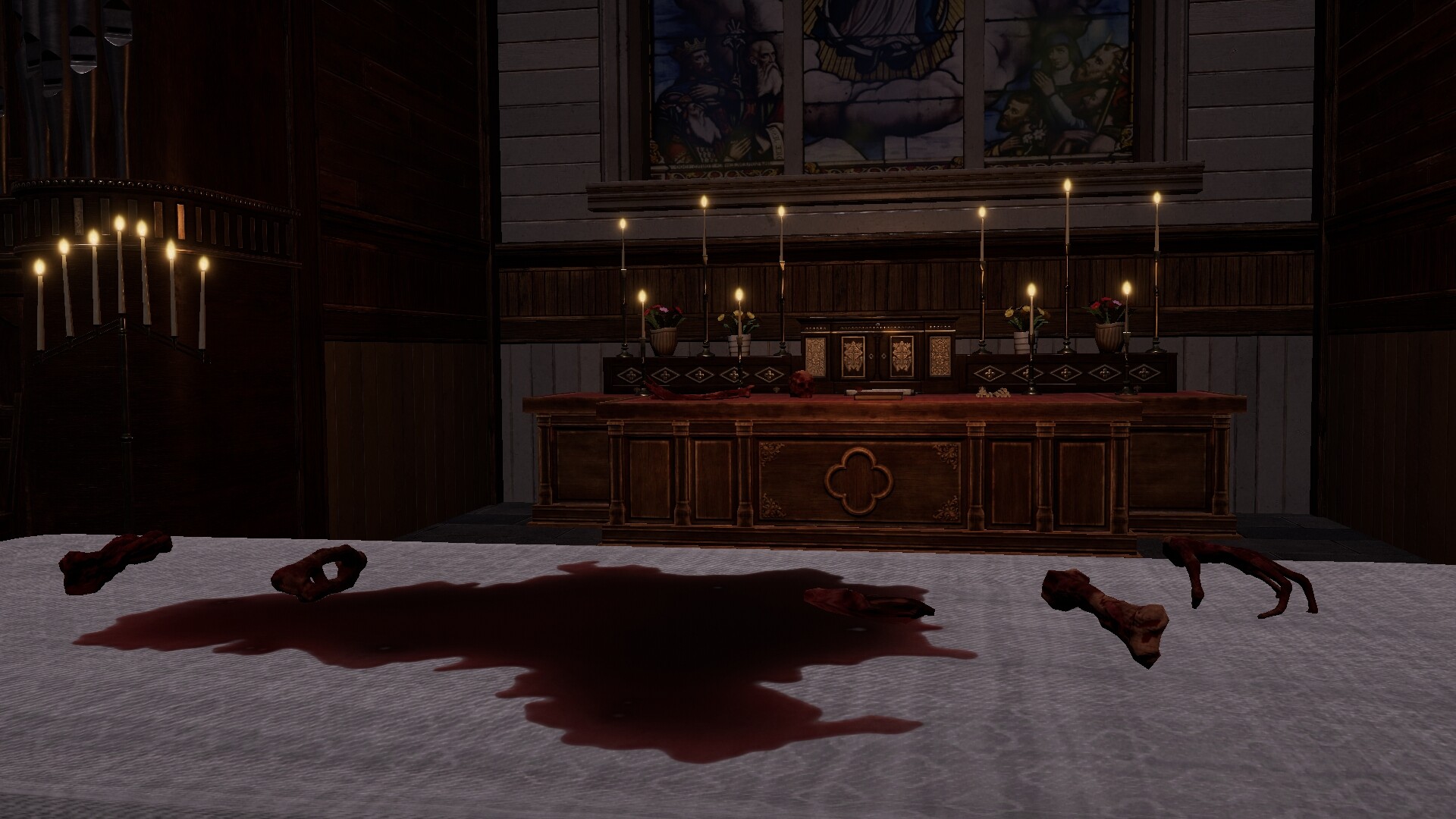
Trace of the Villa puts Jin in a remote, deliberately forgotten mansion after years of searching for his missing sister. The official description makes two mechanics explicit and central: restoring power to the estate, and using the reactivated systems to reveal secured spaces. When power is restored, “secured systems come back online. Hidden compartments unlock. Safes yield fragments of encrypted documents and suspicious transfer records.” The investigation revolves around reading environmental cues and assembling document fragments and manifests into a timeline.

When and where
Trace of the Villa released on 28 May, 2026 and is listed on Steam. The developer and publisher are both Steadyturtle Co., Ltd., and the Steam appid is 3483660.
Why the theme matters — locked rooms, erased identities, and chainable clues
The mansion in Trace of the Villa is described as “cut off from the grid and deliberately forgotten,” with rooms left as if people vanished mid‑routine and identities removed from records. That official framing makes the game naturally compatible with locked‑room puzzle sensibilities: the house is both a physical container and a layered system of administrative obfuscation. Restoring power is not just atmosphere — it’s a gameplay vector: systems, safes and encrypted documents are the tangible outputs that let you build clue chains from fragments to fuller patterns.
How you progress — reading systems, safes and documents (official cues)
- Restore estate power to bring secured systems back online — the official description states systems and compartments reactivate when power returns.
- Open hidden compartments and safes revealed by those systems — safes in the mansion yield “fragments of encrypted documents and suspicious transfer records” that form the evidentiary core.
- Piece together manifests, transfer records, and document fragments to track movements and identities — the story emerges through reconstructed records rather than overt exposition.
Those three strands — power, systems, safes/documents — create a tight loop that rewards environmental reading and careful chaining of clues rather than trial‑and‑error breakage of arbitrary locks.
Player scenarios: who should wishlist Trace of the Villa
- Investigation-first players: You enjoy unpacking a single location to reveal a wider conspiracy through documents and systems. The game centers on manifests, transfer records, and encrypted fragments that you must reassemble.
- Puzzle players who favor inference: If you like puzzles that follow from context and deduction (locked‑room logic, pattern linking), the mansion’s reactivated systems provide structured ways to progress.
- Atmosphere and story tone seekers: Players who prefer a hushed, contemplative investigation — rooms arranged as if people vanished mid‑routine and the slow reveal of institutional obfuscation — will likely appreciate Trace of the Villa’s design signals.
- Accessibility-minded players: The Steam listing notes features like subtitles, custom volume controls, color alternatives, and being playable without timed input, which reduce mechanical friction for players who want a measured pace.
Compact facts — Trace of the Villa
| Title | Trace of the Villa |
|---|---|
| Release date | 28 May, 2026 |
| Developer / Publisher | Steadyturtle Co., Ltd. |
| Genres | Action, Adventure, Indie |
| Categories (selected) | Single‑player; Color Alternatives; Custom Volume Controls; Playable without Timed Input; Subtitle Options; Family Sharing |
| Steam appid | 3483660 |
| Official short description | Jin has spent years searching for his missing sister, pursuing leads that took him to a remote, decaying mansion where he recovered manifests and hints that indicate his sister may still be alive, somewhere at the end of the trail he is about to follow. |
How Trace of the Villa fits compared with nearby titles
Below is an editorial comparison on lawful criteria (genre, atmosphere/puzzle focus, exploration style, and pacing) to help you decide which experience aligns with your preferences. These entries use each title’s official positioning and descriptions.
| Title | Genre / Core focus | Atmosphere & puzzle focus | Exploration style | Pacing / Player fit |
|---|---|---|---|---|
| Trace of the Villa | Action, Adventure, Indie | Atmospheric mystery; document/safe‑driven evidence; locked‑room elements via systems that reactivate | Single‑location mansion, system‑based reveals, environmental storytelling | Measured, investigative; good for inference and clue‑chain players |
| The Room | Adventure, Indie | Focused mechanical puzzles around a single cast‑iron safe and intricate devices | Contained single‑room cryptic puzzle exploration | Slow, tactile puzzle solving; ideal for players who enjoy physical puzzle boxes |
| The Room Two | Adventure, Indie | Similar to The Room: mechanical, mysterious puzzle objects with a cryptic tone | Sequential room/chamber exploration with focused puzzles | Slow, contemplative; puzzle‑centric progression |
| Escape Simulator | Adventure, Casual, Indie, Simulation | Highly interactive escape‑room simulation, physics interactions and object manipulation | Multiple themed rooms, editable community content, both solo and co‑op | Varied pacing; heavier on interactivity and emergent problem solving |
| Hi‑Fi RUSH | Action | Music‑synced action; high tempo and rhythmic combat rather than investigative puzzles | Linear action stages with rhythm mechanics | Fast, beat‑driven; not primarily
Steam pageView Trace of the Villa on Steam YouTube discoveryFor trailer and gameplay discovery, use YouTube search rather than relying on unverified embeds: Find Trace of the Villa trailer and gameplay searches on YouTube. CommentsMore posts |
Leave a Reply