
Trace of the Villa — an escape-room style mystery built around power, doors, and evidence
Trace of the Villa centers on Jin’s search for a missing sister inside a remote, decaying mansion where restoring power literally rewrites the house’s secrets. The game uses locked-room logic and chained clues—turn the lights back on, and the estate begins to yield hidden compartments, safes, and fragmented records that stitch a larger story together.

Who, What, When, Where, Why, How
Who it’s for
Players who prefer atmospheric mystery adventure and slow-burn suspense, those who enjoy environmental storytelling, and anyone drawn to psychological investigation through object-driven puzzles. It’s aimed at single-player PC audiences on Steam who appreciate methodical clue-chaining and exploration over twitch action.
What the game is
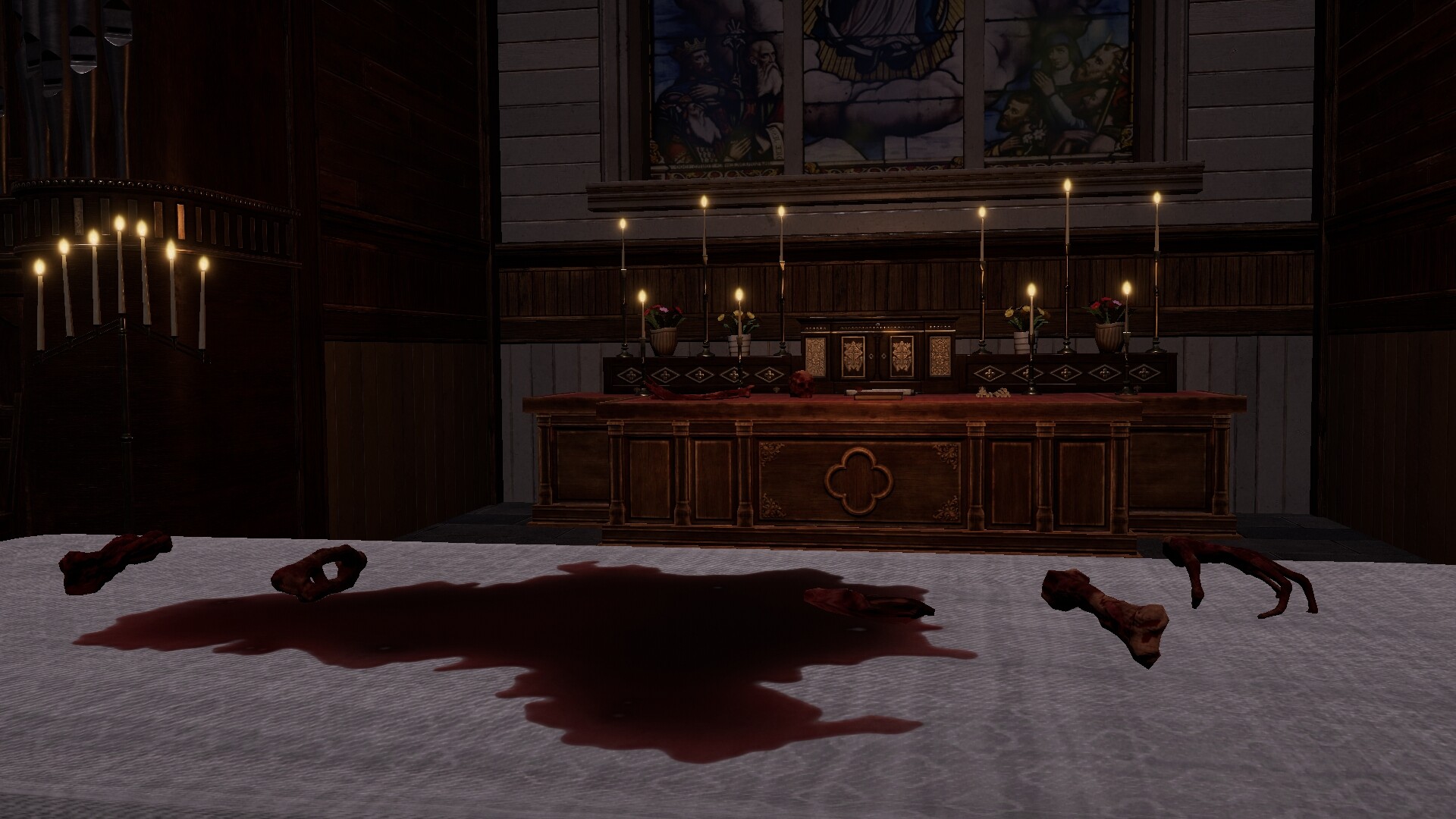
Trace of the Villa is an Action / Adventure / Indie title from Steadyturtle Co., Ltd. Its premise places protagonist Jin in a deliberately forgotten mansion where rooms look as if occupants vanished mid-routine. According to the official Steam description, restoring power to the estate reactivates secured systems, opens hidden compartments, and yields fragments of encrypted documents and suspicious transfer records—puzzle beats that feed an investigative arc.
When and where
Trace of the Villa released on 28 May, 2026 and is available on Steam for PC. The Steam store page includes standard accessibility and convenience categories such as Single-player, Subtitle Options, Color Alternatives, Custom Volume Controls, Playable without Timed Input, and Family Sharing.
Why the theme matters
The gameplay hook—power as a narrative and mechanical switch—turns environmental reading into a detective tool. Restoring electricity is not just a convenience but a puzzle keystone: lights reveal context, secured systems generate new clues, and safes produce fragments that demand reconstruction. That design rewards players who map spaces mentally and follow chains of evidence rather than brute-forcing obstacles.
How you progress
Progression is built around phased reveal: bring systems online, access new rooms, and assemble evidence to reconstruct timelines and identities. Each solved lock or restored circuit tends to unlock another link in a clue chain—encrypted documents, manifests, and transfer records—that reframe previous assumptions and push the investigation forward.
Core gameplay loop: restoring power, unlocking spaces, reconstructing evidence
Trace of the Villa uses a three-part loop that’s familiar to escape-room and investigative games but focused here through a mansion-as-machine conceit:
- Restore systems: Re-energize the estate to reactivate locked subsystems and reveal hidden mechanisms.
- Explore newly opened spaces: Rooms that seemed static or staged become interactive, yielding safes, compartments, and digital traces.
- Reconstruct evidence: Fragments from safes and manifests require cross-referencing and pattern recognition to rebuild timelines or identify anomalies in transfer records.
That loop privileges players who read environment cues, keep notes, and treat each discovery as a node in a wider deduction network rather than an isolated puzzle.

Compact facts — Trace of the Villa
| Title | Trace of the Villa |
|---|---|
| Steam AppID | 3483660 |
| Release date | 28 May, 2026 |
| Developer / Publisher | Steadyturtle Co., Ltd. |
| Genres | Action, Adventure, Indie |
| Key categories | Single-player; Playable without Timed Input; Subtitle Options; Color Alternatives; Custom Volume Controls; Family Sharing |
Who should wishlist this on Steam
Wishlist Trace of the Villa if you prefer atmospheric mystery adventure and narrative puzzle design that emphasizes environmental reading and chained clues. If you like methodical investigation—reconstructing timelines from fragments and following financial or identity anomalies—this aligns with that preference. If you want high-tempo action or large-scale combat, this title’s emphasis on exploration and evidence-reassembly may not be the primary draw.
Player scenarios — how different players will experience the mansion
The meticulous note-taker
Will thrive: every restored circuit and unlocked safe contributes a clue chain they can cross-reference. The loop of power → access → evidence rewards record-keeping and patient synthesis.
The environmental reader
Will enjoy: rooms that look “erased” but reveal their stories once systems are live. Visual cues and staged interiors become narrative evidence rather than mere set dressing.
The exploratory speedrunner
Will face constraints: the design leans on layered reveal rather than open-ended traversal. Quick traversal helps, but progress depends on puzzle resolution and evidence reconstruction more than map memorization.
How it sits among similar titles
Below is an editorial comparison focusing on genre, atmosphere, puzzle focus, exploration style, and likely player fit. These comparisons are discovery-driven—not claims of superiority.
| Title | Genre / Release | Atmosphere & puzzle focus | Exploration style & pacing | Player fit |
|---|---|---|---|---|
| Trace of the Villa | Action / Adventure / Indie — 28 May, 2026 | Atmospheric mansion mystery; puzzles tied to restoring systems and reconstructing documents | Layered reveal; methodical, clue-chain focused; slower pacing | Fans of environmental storytelling and investigative puzzles |
| The Room | Adventure / Indie — 28 Jul, 2014 | Intimate mechanical puzzles around a single, ornate safe; tactile, claustrophobic | Focused, vignette-style exploration; puzzle-by-puzzle progression | Players who like tightly designed puzzle boxes and tactile problem solving |
| The Room Two | Adventure / Indie — 5 Jul, 2016 | Similar mechanical puzzle emphasis with expanded, multi-room set pieces | Progressive reveals across linked environments; deliberate pacing | Those who enjoyed The Room and want more interconnected puzzles |
Leave a Reply