
Trace of the Villa — a slow-burn, clue-driven mansion mystery for narrative puzzle players
Trace of the Villa places a lone investigator in a deliberately forgotten mansion where recovered manifests and hints suggest a missing person may still be alive. Released 28 May, 2026 by Steadyturtle Co., Ltd., it foregrounds environmental storytelling, encrypted fragments, and object-based discovery over twitchy action.

Who is this for?
Trace of the Villa is aimed at players who prefer slow-burn suspense, atmospheric mystery adventure, and puzzle design that rewards careful reading and inference. If you enjoy environmental storytelling where documents, room layout, and recovered manifests supply the plot beats — rather than exposition-heavy cutscenes — this is the kind of Steam indie mystery that fits that appetite.
What the game is (quick facts)
| Title | Trace of the Villa |
|---|---|
| Release date | 28 May, 2026 |
| Developer / Publisher | Steadyturtle Co., Ltd. |
| Genres | Action, Adventure, Indie |
| Categories (Steam) | Single-player; Color Alternatives; Custom Volume Controls; Playable without Timed Input; Subtitle Options; Family Sharing |
| Short premise | Jin has spent years searching for his missing sister, pursuing leads that took him to a remote, decaying mansion where he recovered manifests and hints that indicate his sister may still be alive, somewhere at the end of the trail he is about to follow. |
When and where — Steam / PC context
Trace of the Villa is available on Steam with a 28 May, 2026 release date and is listed as a PC/Steam title from Steadyturtle Co., Ltd. The Steam page lists several accessibility and comfort-oriented categories (subtitles, color alternatives, custom volume controls) and marks it as playable without timed input, which signals a design that privileges thoughtful inspection over reflex-based mechanics.
Why the theme matters — identity, erasure, and investigative pacing
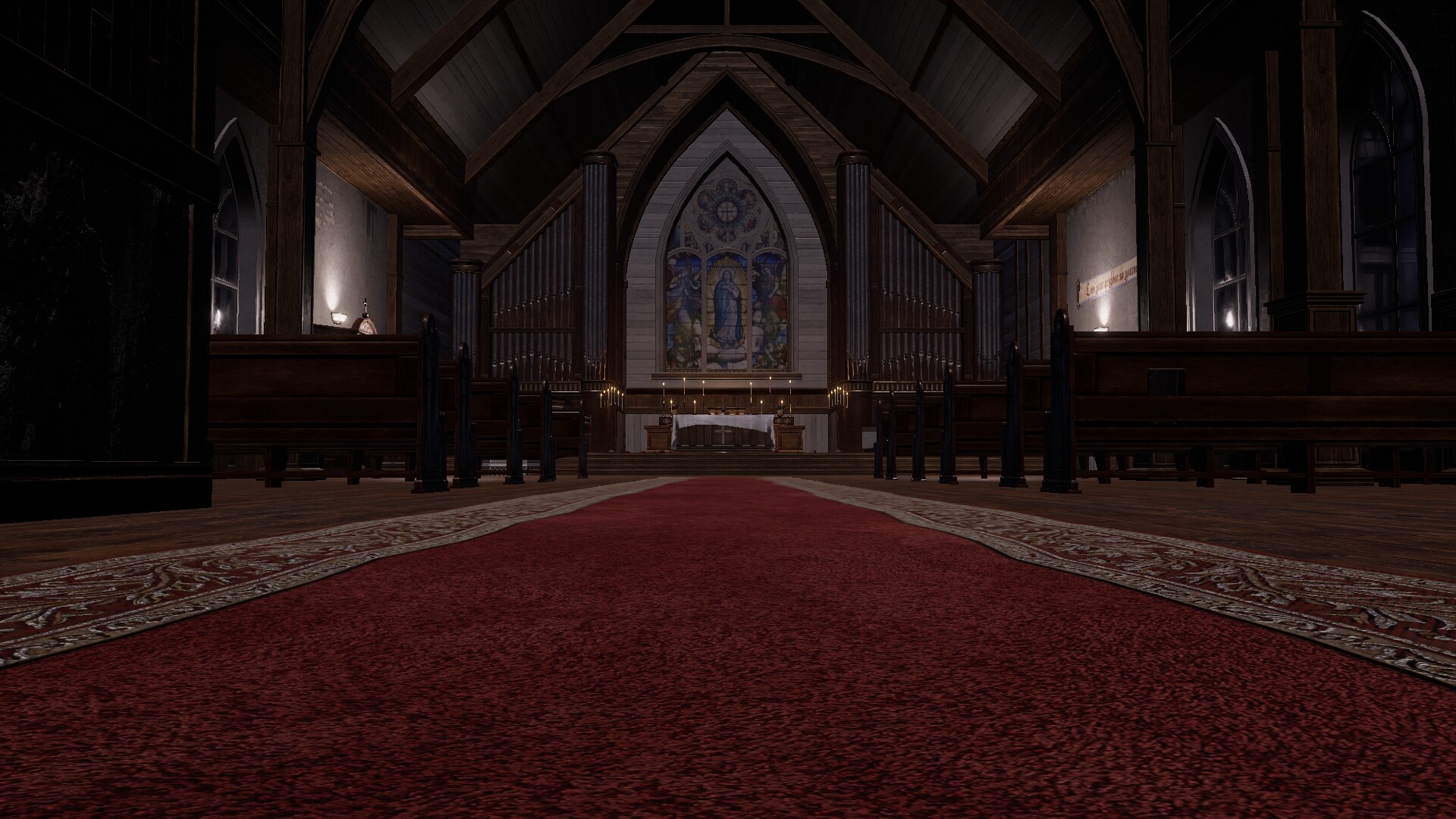
The official description frames the mansion as “less abandoned than erased”: rooms frozen mid-routine, personal belongings present but photographs and names missing, and evidence of an operation that masked arrivals and departures. That thematic core — erasure of identity and the forensic work of assembling a timeline — makes the experience less about jump scares and more about accumulating meaning from small, often incomplete traces. For players drawn to narrative puzzle adventures about piecing together a life from objects and records, that emphasis creates a focused emotional payoff.
How you read clues and progress
The game’s official description spells out the central loop: Jin recovers manifests and hints; restoring power to the estate brings secured systems back online; hidden compartments and safes yield fragments of encrypted documents and suspicious transfer records. Progress is therefore a mixture of (1) forensic reading — interpreting manifests and encrypted fragments for context, (2) object logic — finding how one returned item or unlocked system opens the next avenue of inquiry, and (3) narrative assembly — following financial trails and falsified identities until the larger pattern appears. That structure rewards players who annotate, cross-reference, and patiently test hypotheses about who people were and what the house concealed.
Player-fit scenarios (concrete examples)
- The evidence reader: You enjoy annotating documents, following financial traces, and feeling rewarded when a small clue reframes a room. The mansion’s recovered manifests will be satisfying for you.
- The atmosphere-first detective: You prefer slow, tense exploration and the sense that the setting reveals secrets only when you earn them by rebuilding systems and unlocking safes.
- The puzzle-logic fan who dislikes timers: The Steam listing’s “playable without timed input” tag signals you won’t be punished by clocked sequences — puzzles are solved by thought rather than speed.
- The player who wants accessibility options: Subtitle options, color alternatives, and custom volume controls are listed, which helps if you need those quality-of-life features to follow a dense narrative.
How Trace of the Villa compares (editorial discovery)
Below is a compact editorial comparison to nearby narrative-puzzle and object-driven titles so you can judge fit by puzzle style, atmosphere, and exploration approach.
| Title | Genre / Focus | Puzzle style | Exploration | Story tone / Pacing | Best for |
|---|---|---|---|---|---|
| The Room | Adventure / Indie | Mechanical, tactile puzzle boxes | Single-room, focused investigation | Mysterious, chamber-like, puzzle-led | Players who like tactile, object-based brainteasers |
| The Room Two | Adventure / Indie | Layered object puzzles across connected scenes | Progressive rooms that reveal larger context | Slow reveal, often uncanny | Players who enjoy a sequence of dense puzzle spaces |
| Escape Simulator | Adventure / Casual / Indie | Highly interactive escape-room mechanics | Free manipulation of objects, physics-enabled | Fast problem-solving, cooperative or solo play | Players who like interactive toys and community rooms |
| Unpacking | Casual / Indie / Simulation | Spatial and contextual puzzles via possessions | Domestic scenes that reveal life stories | Zen, reflective, quiet pacing | Players who like story through objects and routine |
| Trace of the Villa | Action / Adventure / Indie | Document reading, system restoration, object-clue logic | Mansion-scale exploration with locked systems | Slow-burn suspense, investigative, forensic | Players who prefer narrative assembly from fragments |
Deciding whether to wishlist — practical guidance
Wishlist Trace of the Villa if you value: atmospheric mystery adventure, document- and object-driven storytelling, puzzle design that rewards inference, and comfort options such as subtitles and no timed-input requirements. Less likely to fit if you want steady combat, fast-paced action, or social/co-op puzzle rooms — the promotional information emphasises single-player forensic investigation and buried systems over multiplayer or arcade pacing.
Trailer & video discovery
Searching for trailers or gameplay videos on YouTube can help you judge the pacing and visual language. Use
Steam page
View Trace of the Villa on Steam
YouTube discovery
For trailer and gameplay discovery, use YouTube search rather than relying on unverified embeds: Find Trace of the Villa trailer and gameplay searches on YouTube.
Leave a Reply