
Trace of the Villa — a clue-driven mansion mystery that asks you to read the house before you act
Trace of the Villa (Steadyturtle Co., Ltd.) drops you into a decaying, off-grid mansion where Jin’s search for his missing sister turns into a methodical puzzle investigation. Released on 28 May, 2026 for PC via Steam, the game leans on environmental storytelling and document-forensics rather than action pacing to reveal its story.

Quick facts
| Title | Trace of the Villa |
|---|---|
| Release date | 28 May, 2026 |
| Developer / Publisher | Steadyturtle Co., Ltd. |
| Steam App ID | 3483660 |
| Genres | Action, Adventure, Indie |
| Key categories | Single-player; Color Alternatives; Custom Volume Controls; Playable without Timed Input; Subtitle Options; Family Sharing |
| Where to find it | Steam (PC) |
What the game is — atmosphere and puzzle design
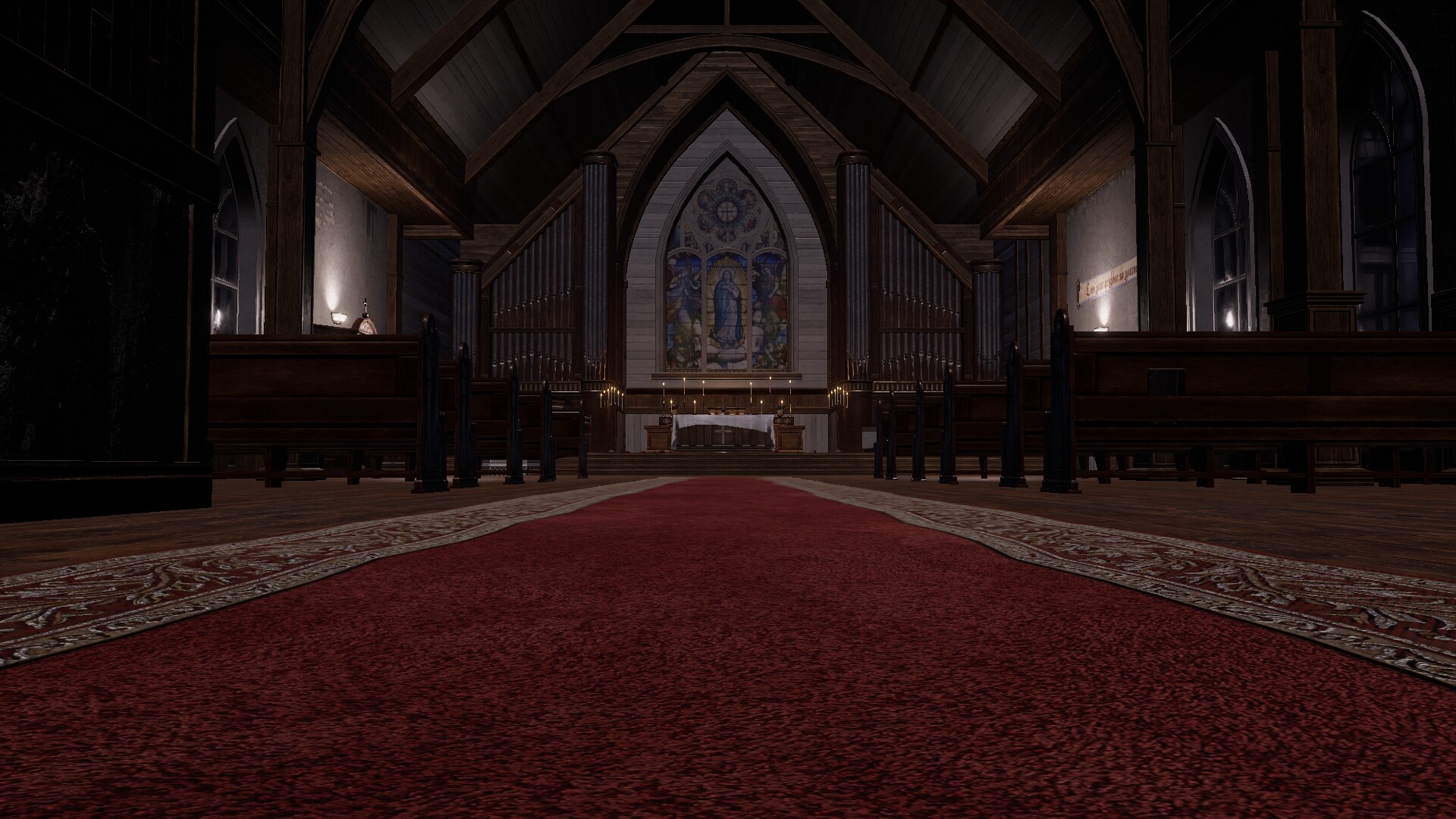
Trace of the Villa frames itself as a personal investigation: Jin follows leads to a mansion that feels “less abandoned than erased.” The Steam description highlights restored systems, hidden compartments, safes with encrypted fragments, and falsified identities. Those concrete beats point to a game built around clue reading, object logic, and narrative puzzles — the kind of adventure that rewards slow, careful attention over reflexive action.
Who it’s for
- Players who prefer atmospheric mystery adventure and psychological investigation over combat-driven gameplay.
- Fans of environmental storytelling who enjoy assembling timelines from documents, manifests, and system logs.
- People who like steady, clue-driven progression where each solved puzzle unlocks the next layer of the story.
When and where — Steam context
Trace of the Villa launched on 28 May, 2026 and is available on Steam for PC. The store page lists Steadyturtle Co., Ltd. as both developer and publisher and includes accessibility and comfort options such as subtitle options, color alternatives, and a “playable without timed input” category that supports contemplative play styles.
Why the theme matters — erased identities and narrative tension
The game’s central conceit — rooms staged as if occupants vanished mid-routine and records deliberately scrubbed — makes clue-reading the primary mechanic. When a game centers on missing identities and falsified transactions, its puzzles are not abstract obstacles but pieces of a ledgered mystery. That gives even small objects narrative weight: a recovered manifest or a restored terminal entry shifts your understanding of who was here and why.
How you progress — reading clues, object logic, story puzzles
According to the official description, progression in Trace of the Villa comes from restoring power to systems, unlocking secured compartments, and decrypting fragments from safes. That suggests a layered puzzle loop: investigate an environment, collect contextual clues (notes, manifests, transfer records), use object logic or restored systems to gain new access, and then recombine newly revealed materials to advance the timeline. Puzzles are therefore narrative junctions rather than isolated minigames: solving one reveals more of the operation behind the mansion.

Player scenarios — who will get the most out of Trace of the Villa?
- Investigator: You want to reconstruct a person’s life from receipts, manifests and system logs. You enjoy cross-referencing small clues to form a larger theory.
- Slow-burn player: You prefer suspense that builds through discovery and implication rather than combat set-pieces.
- Story-first puzzler: You appreciate puzzles that are directly tied to narrative payoff — each solution changes what you know about the case.
How it differs from nearby mystery/puzzle games
Trace of the Villa’s emphasis is on narrative-puzzle design and clue reading inside an atmospheric mansion. It’s less about physics or room-scale manipulation and more about reassembling a timeline and interpreting falsified identities. For context, below is a concise comparison with other puzzle-orientated titles that players often consider when looking for story-rich puzzlers.
| Title | Puzzle focus | Atmosphere / tone | Pacing | Player fit |
|---|---|---|---|---|
| Trace of the Villa | Clue reading, document forensics, restoring systems, narrative safes | Atmospheric mansion mystery, psychological investigation | Slow-burn, methodical | Players who want story-driven investigation and environmental storytelling |
| The Room (series) | Mechanical, object-driven safe and box puzzles | Mysterious, tactile curiosity | Focused, puzzle-by-puzzle progression | Players who enjoy mechanical puzzles with physical interaction |
| Escape Simulator | Highly interactive escape-room style puzzles | Varied (from playful to tense), sandbox interaction | Fast to moderate, room-based bursts | Players who like hands-on item interaction and cooperative solutions |
| Unpacking | Contextual object placement as story clue | Quiet, domestic, reflective | Calm, episodic | Players who prefer slice-of-life narrative and discovery through objects |
Deciding whether to wishlist
Wishlist Trace of the Villa if you value investigative pacing, environmental storytelling, and puzzles that reveal character and conspiracy rather than test reflexes. If you prefer rapid action, physics playgrounds, or co‑op puzzle chaos, the game’s clue-first approach may feel deliberately restrained.
YouTube discovery
To see trailers or gameplay footage, search for Trace of the Villa trailers and gameplay on YouTube: https://www.youtube.com/results?search_query=Trace+of+the+Villa+trailer+gameplay. This link is provided as a discovery path; a specific video is not verified here as official.
Steam page: Trace of the Villa on Steam
Referenced titles and trademarks belong to their respective owners; comparisons are editorial discovery only.
Leave a Reply