
Trace of the Villa — an escape-room style mansion mystery for clue-led players
Trace of the Villa casts you as Jin, a man following fractured leads to a remote, decaying mansion where manifests and fragments suggest his missing sister may still be alive. Released on 28 May, 2026 by Steadyturtle Co., Ltd., the Steam listing frames this as an atmospheric, clue-driven Action/Adventure Indie built around environmental reading, locked doors and chained discoveries.

Facts at a glance
| Title | Trace of the Villa |
|---|---|
| Steam AppID | 3483660 |
| Release date | 28 May, 2026 |
| Developer / Publisher | Steadyturtle Co., Ltd. |
| Genres | Action, Adventure, Indie |
| Categories | Single-player; Color Alternatives; Custom Volume Controls; Playable without Timed Input; Subtitle Options; Family Sharing |
| Short premise | Jin searches a remote mansion for signs that his missing sister may still be alive. |
Who should wishlist this
Trace of the Villa is aimed at players who prefer story-rich, slow-burn mystery over twitch reflexes. The Steam categories include “Playable without Timed Input” and “Single-player,” so expect a paced experience suited to careful observation and replayable investigation rather than speed runs. Accessibility-friendly features like color alternatives, subtitle options and custom volume controls also make it a fit for players who want to take their time with environmental storytelling.
What the game actually is
The official Steam text positions Jin’s investigation in a mansion that feels “less abandoned than erased.” Restoring power, unlocking hidden compartments and extracting fragments of encrypted documents are explicit beats in the description — a puzzle architecture built around uncovering layers of falsified identities, suspicious transfer records and rooms frozen mid-routine. That places this title solidly in the clue-driven, environmental puzzle tradition: you read spaces and objects to progress.
When and where (Steam / PC context)
Trace of the Villa released on 28 May, 2026 and is available on Steam for PC. The Steam page lists developer and publisher as Steadyturtle Co., Ltd., and the store presence includes standard store visuals and screenshots hosted on Steam’s CDN.

Why the theme matters — locked-room thinking and erased identities
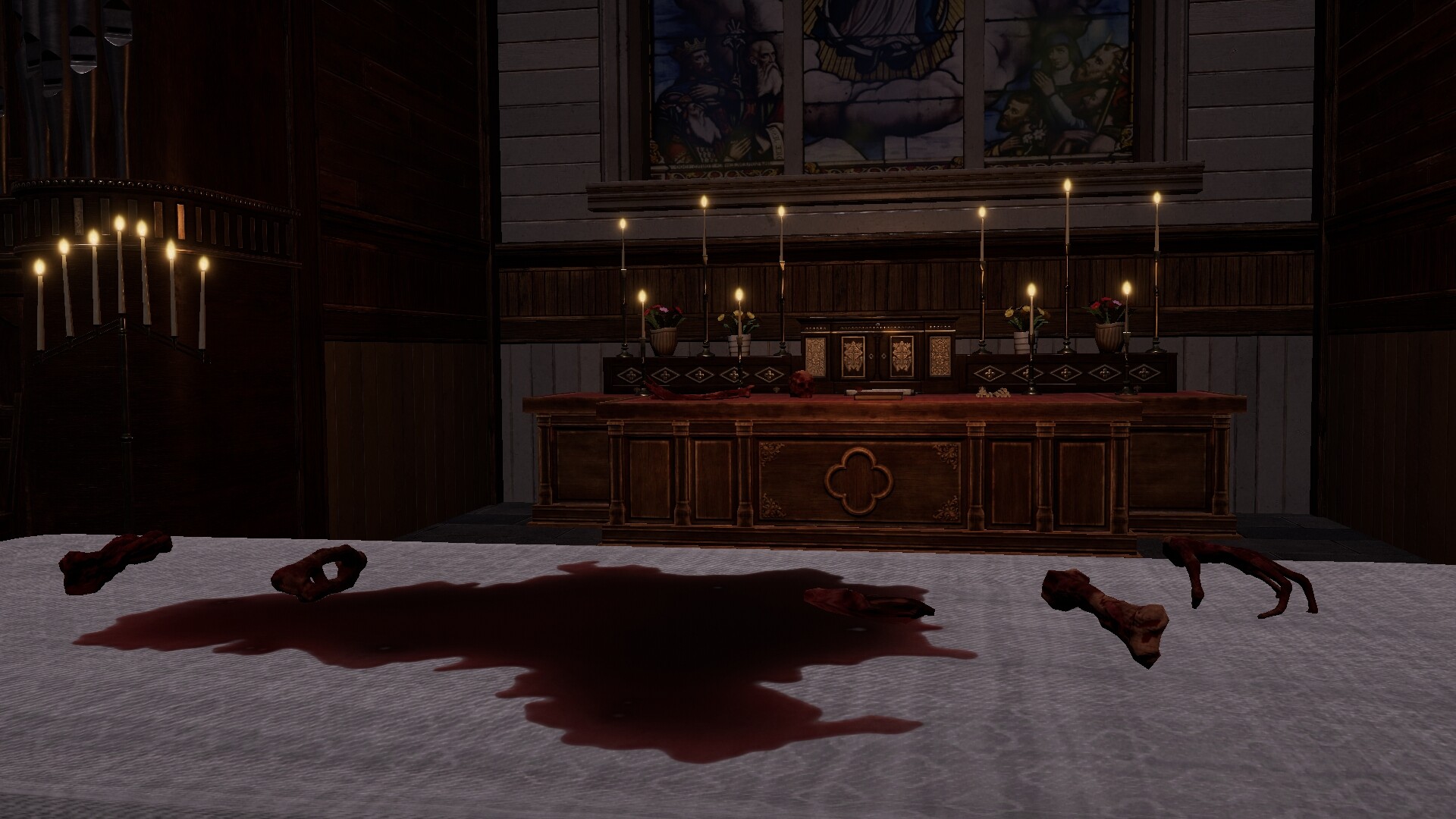
The Steam description emphasises absence: rooms staged as if people vanished mid-routine, identities removed, and a property “deliberately forgotten.” That framing matters because it changes how objects function. Rather than decorative set-dressing, belongings and secured systems are evidence: a locked safe suggests financial manipulation; a powered terminal can reveal erased logs. If you enjoy detective logic where a recovered manifest or a single transfer record reframes your assumptions, that procedural unraveling is central to this game’s thematic promise.
How you progress — reading the environment, chaining clues
According to the store text, progress hinges on reactivating estate systems and unlocking secured spaces. Expect clue chains: one discovery (a manifest, a fragment) leads to another locked compartment or encrypted file, and each solved obstacle exposes a new investigative thread. That kind of momentum rewards pattern recognition and lateral thinking — not fast-twitch skill — so players who prefer methodical puzzle progression and narrative payoff from itemised evidence will find the structure familiar and satisfying.
Specific player scenarios
- You like methodical mansion mysteries: If you enjoy unpacking an environment where each room rewrites what you thought you knew, wishlist this for its investigative framing and slow-reveal approach.
- You prefer puzzles with narrative anchors: The Steam text ties safes and encrypted documents to a larger operation; players who want puzzle solutions to feel narratively meaningful are the target audience.
- You dislike timed challenges: The “Playable without Timed Input” category flags this as suitable for players who want to think rather than race.
- You value accessibility and options: Color alternatives, subtitle options and custom volume controls make it usable for players who need or appreciate those settings.
How it compares to nearby puzzle/mystery games
Below is a focused editorial comparison based only on lawful, listed facts and the topical descriptions available for similar titles. The goal: help you decide if Trace of the Villa matches your preferred puzzle tone and playstyle.
| Title | Primary genre / tone | Puzzle focus | Exploration style | Pacing / player fit |
|---|---|---|---|---|
| Trace of the Villa | Action / Adventure / Indie — atmospheric mansion mystery | Clue-driven: restoring systems, safes, encrypted fragments (environmental evidence) | Single-player, survey and unlock rooms; read objects as evidence | Slow-burn, investigative; suited to players who prefer no timed input |
| The Room | Adventure / Indie — intimate, tactile puzzle box atmosphere | Mechanical, object-centric puzzles (cast-iron safe and carvings) | Focused, isolated puzzle chambers with a strong tactile feel | Puzzle-box players who enjoy close-up, handcrafted contraptions |
| The Room Two | Adventure / Indie — mysterious, cryptic environments | Object and contraption puzzles with layered reveals | Linear progression through themed puzzle spaces | Players who prefer sequenced puzzle chambers and escalating mystery |
| Escape Simulator | Adventure / Casual / Indie — highly interactive escape rooms | Inventory interaction, physics, environmental manipulation; editor/rooms | Room-by-room, often fast-paced and multiplayer-capable | Players who like sandbox interaction, co-op or community-made rooms |
Editorial note: Trace of the Villa sits closer to atmospheric, narrative-heavy investigations than the close-up mechanical puzzles of The Room
Steam page
View Trace of the Villa on Steam
YouTube discovery
For trailer and gameplay discovery, use YouTube search rather than relying on unverified embeds: Find Trace of the Villa trailer and gameplay searches on YouTube.
Leave a Reply