
Trace of the Villa — an escape-room style mystery with locked-room thinking and layered clue-chains
Trace of the Villa casts you as Jin, a man tracing clues through a decaying mansion where restored power and unlocked safes pull a hidden operation into view. The game leans on environmental reading, object clues, and puzzle-chain momentum to turn investigation into slow-burn suspense.

Who this is for
If you enjoy atmospheric mystery adventure on PC — slow-building mansion mysteries that reward careful observation rather than twitch reflexes — Trace of the Villa is aimed at you. Players who like escape-room logic, tracing chains of evidence, and reading set-dressing for narrative cues will get the most out of it. The Steam listing also notes accessibility-friendly options like Playable without Timed Input, Subtitle Options, Color Alternatives and Custom Volume Controls, so it’s approachable for exploration-first players and those who prefer measured pacing.
What the game is (quick facts)
| Title | Trace of the Villa |
|---|---|
| Steam appid | 3483660 |
| Release date | 28 May, 2026 |
| Developer / Publisher | Steadyturtle Co., Ltd. |
| Genres | Action, Adventure, Indie |
| Categories / Features | Single-player; Color Alternatives; Custom Volume Controls; Playable without Timed Input; Subtitle Options; Family Sharing |
| Premise (official short) | Jin searches for his missing sister in a remote, decaying mansion and recovers manifests and hints that she may still be alive. |
When and where to find it
Trace of the Villa launched on Steam on 28 May, 2026. You can view the Steam store page here: Trace of the Villa on Steam.
Why the mansion theme matters for puzzle players
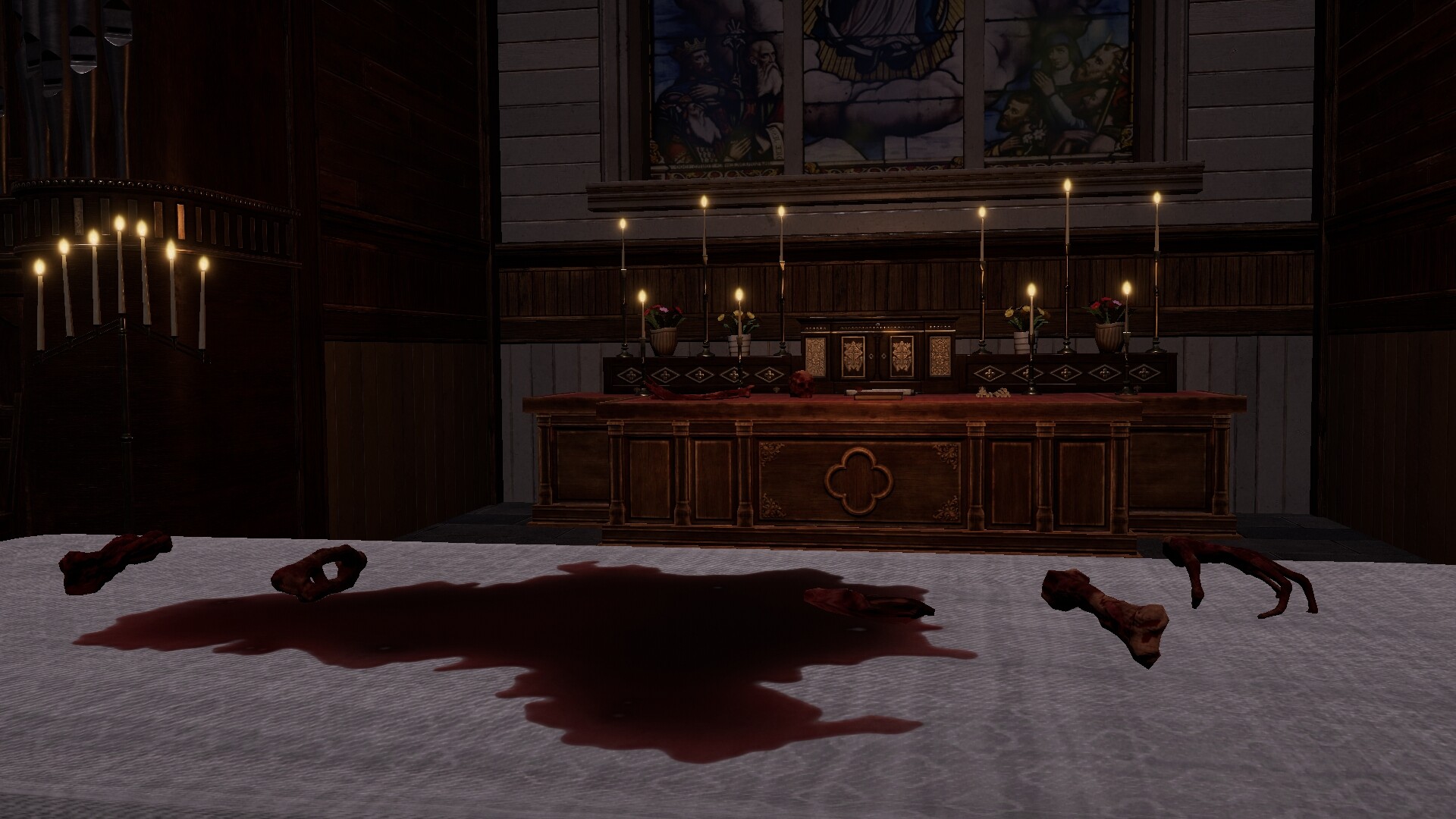
The mansion setting in Trace of the Villa is not just atmosphere: the house itself is the puzzle infrastructure. Official store text describes rooms left “as if occupants vanished mid-routine,” locked doors and secured systems that, once powered, reveal hidden compartments, safes, and encrypted documents. That framing makes environmental storytelling integral to puzzle progress — object clues and falsified identities become mechanical tools as well as narrative hooks. For players who like their puzzles to carry forensic weight (a ledger hint leading to a safe code, a missing photograph pointing to an altered identity), this design ties detective logic to tangible gameplay steps.

How you progress: locked-room thinking, clue-chains, and momentum
Progress in Trace of the Villa is described on the Steam page as a sequence of restored systems and revealed objects: restore power, bring systems back online, unlock hidden compartments, and open safes that yield encrypted fragments and suspicious transfer records. That maps cleanly to a puzzle-chain model where one solved object or system unlocks the next investigative lead. Think of it as escape-room logic spread across rooms: a manifest suggests a transaction, the transaction points to a name, the name’s absence or alteration becomes a new puzzle to decode. Momentum comes from linking those discoveries — each opened safe or restored monitor pushes you into a fresh mini-chain of verification and decoding.
Player scenarios — who should wishlist this
- Environmental readers: You enjoy piecing a story from room clutter and inventory breadcrumbs rather than explicit exposition.
- Clue-chain fans: You prefer multi-stage puzzles where one solved element reliably leads to another, creating momentum across rooms.
- Slow-burn mystery players: You like investigative tone and atmosphere (mansion mystery, personal stakes) more than action setpieces.
- Accessibility-minded players: If timed inputs are a bother, this title notes Playable without Timed Input and subtitle options on Steam.
How it compares to nearby puzzle/mystery games
Below is a concise editorial comparison focused on puzzle focus, exploration style, tone, and the players each title serves.
| Game | Primary Genre | Puzzle Focus | Exploration Style | Tone / Pacing | Best for players who… |
|---|---|---|---|---|---|
| Trace of the Villa | Action / Adventure / Indie | Locked doors, safes, restored systems, encrypted documents — clue-chain driven | Mansion-wide, environmental reading, methodical unlocking | Slow-burn suspense, investigative | Prefer narrative puzzle-chains and atmospheric detective work |
| The Room | Adventure / Indie | Intricate mechanical puzzles around a central safe/box | Single-room-focused, tactile puzzle solving | Claustrophobic, puzzle-centric | Like handcrafted mechanical puzzles and object-focused solutions |
| The Room Two | Adventure / Indie | Sequential puzzle boxes and scene-based contraptions | Series of contained puzzle scenes, more varied locales than a single room | Mysterious, exploratory puzzle progression | Enjoy successive set-piece puzzles with evolving mechanics |
| Escape Simulator | Adventure / Casual / Indie / Simulation | Highly interactive escape-room mechanics; physics and item manipulation | Compact rooms, many community-made scenarios | Varies; generally puzzle-driven and often fast-paced | Want hands-on interaction, modular rooms, co-op or custom levels |
| Hi-Fi RUSH | Action | Rhythm-action combat, not puzzle-driven | Linear action exploration, music-synced gameplay | High-energy, fast-paced | Prefer action and rhythm mechanics over narrative puzzle investigation |
Deciding whether to wishlist
If you want detective-first puzzle pacing where object clues and environmental detail drive each next step, Trace of the Villa aligns well with that appetite.
YouTube discovery
For trailer and gameplay discovery, use YouTube search rather than relying on unverified embeds: Find Trace of the Villa trailer and gameplay searches on YouTube.
Leave a Reply