
Trace of the Villa: an inspection-heavy mansion mystery built around object logic
Trace of the Villa drops you into a decaying, off‑grid mansion as Jin, a man following fractured leads about his missing sister — its puzzles are driven by close inspection, environmental reading, and linked clues rather than reflex tests. Released 28 May, 2026 by Steadyturtle Co., Ltd., the game blends narrative puzzle design and slow‑burn suspense with gameplay that rewards careful inventory work and pattern recognition.

Quick facts
| Title | Trace of the Villa |
|---|---|
| Steam AppID | 3483660 |
| Developer / Publisher | Steadyturtle Co., Ltd. |
| Release date | 28 May, 2026 |
| Genres | Action, Adventure, Indie |
| Key Steam categories | Single-player; Color Alternatives; Custom Volume Controls; Playable without Timed Input; Subtitle Options; Family Sharing |
| Official short premise | Jin searches a remote, decaying mansion for clues that his missing sister may still be alive. |
Who this is for
If you prefer puzzle games where solutions emerge from object logic and environmental context rather than trial‑and‑error or twitch reflexes, Trace of the Villa is pitched at you. Ideal players are comfortable pausing to re‑examine rooms, linking fragments of documents and hardware, and letting narrative tension build as systems are restored and secrets are gradually revealed.
What the game is — core design and tone
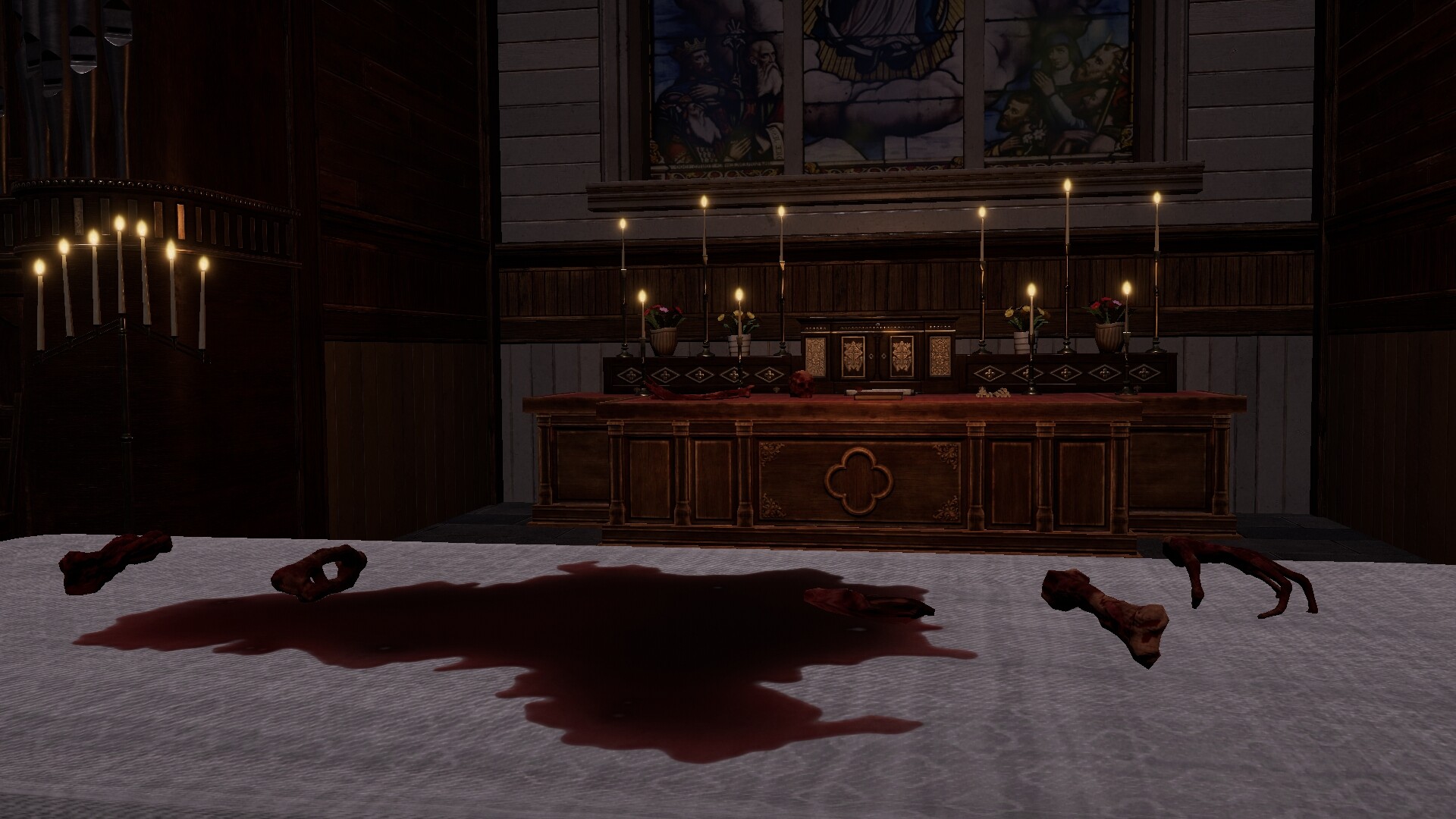
Trace of the Villa positions itself as an atmospheric mystery adventure and psychological investigation. The house feels deliberately erased: furnished rooms with missing personal identifiers, locked doors concealing secured systems, and fragmented manifests that hint at falsified identities and covert movements. Gameplay emphasis is on inspection, unlocking systems and safes, and following clue chains that open new areas or reveal more documents.

When and where — Steam availability
Trace of the Villa is available on Steam with a release date of 28 May, 2026. The Steam page lists it under Action / Adventure / Indie and provides the usual PC features such as subtitle options, color alternatives, and family sharing compatibility.
Why the theme matters — identity, records, and environmental storytelling
The mansion’s erased identities and falsified records make environmental reading central to both story and puzzle progression. Rather than relying on exposition, Trace of the Villa uses manifests, transfer records, and secured systems to let players reconstruct timelines and motives. That approach turns every unlocked safe or restored terminal into a narrative device: solving a puzzle is also an act of archival recovery.
How you progress — clue chains and object logic
Progress looks like a chain reaction. You locate fragments (a manifest, a ledger entry, a disconnected power module), infer relationships between them, and apply those in the environment to restore systems or open secured compartments. Expect inspection-heavy loops: read an item, cross‑reference another, test a mechanical interaction, and watch the mansion respond. The Steam listing highlights “playable without timed input,” which supports careful, methodical play rather than forced speed.
Player scenarios — who will get the most out of this
- Slow-burn puzzle lovers: You value methodical exploration and layered reveals. You’ll enjoy piecing together manifests and encrypted fragments.
- Environmental readers: You notice the small details — missing photographs, placement of objects, wiring routes — and treat them as primary clues.
- Narrative-first investigators: You want puzzles tied to story progression; each solved lock or restored terminal should meaningfully advance what you understand about the house and Jin’s search.
- Players who dislike timed pressure: With “playable without timed input” listed among categories, the game supports deliberate inspection rather than speedruns or reaction tests.
How Trace of the Villa compares to nearby mystery and puzzle experiences
Below is a compact editorial comparison focused on puzzle focus, atmosphere, exploration style, and player fit — not on sales or awards.
| Title | Release | Genre / Core focus | Atmosphere | Puzzle & exploration style | Player fit |
|---|---|---|---|---|---|
| Trace of the Villa | 28 May, 2026 | Action / Adventure / Indie | Mansion mystery, slow‑burn, psychological investigation | Inspection-heavy object logic, clue chains, environmental reading | Players who prefer methodical, narrative-linked puzzles |
| The Room | 28 Jul, 2014 | Adventure / Indie | Tactile, claustrophobic puzzle-box | Close-up mechanical puzzles, single-object inspection | Fans of intimate, mechanical puzzle solving and tactile interactions |
| The Room Two | 5 Jul, 2016 | Adventure / Indie | Cryptic, travel-through-environments with a similar tactile tone | Linked inspection puzzles with layered boxes and mechanisms | Players wanting puzzle-box depth across varied locales |
| Escape Simulator | 19 Oct, 2021 | Adventure / Simulation / Indie | Bright, playful room-by-room escape design | Highly interactive physics and object manipulation; community rooms | Players who enjoy hands-on interaction, co-op options, and editor content |
| Hi‑Fi RUSH | 25 Jan, 2023 | Action | High-energy, music-synced action | Combat and rhythm-driven challenges rather than environmental puzzles | Players focused on action rhythm and high-tempo gameplay |
Editorial note: these comparisons focus on tone and puzzle design so players can gauge fit — Trace of the Villa leans toward slower, investigative puzzle work tied to narrative recovery, while titles like Escape Simulator foreground highly interactive physics and The Room series foreground single‑object mechanical puzzles.
YouTube discovery
For trailers and gameplay clips, search for Trace of the Villa on YouTube (use the following discovery link): YouTube search for Trace of the Villa trailer & gameplay. This URL is provided for discovery; do not assume any single video returned by search is an official trailer unless verified on the Steam page or developer channels.
Decide whether to wishlist
Wishlist Trace of the Villa if you want a Steam indie mystery that prioritizes close reading of environment and documents, iterative puzzle chains, and a narrative that unfolds as you restore systems and open locked compartments. If you prefer physics-first interactions or fast action, this title emphasizes inspection and archival problem solving over those mechanics.
Leave a Reply