
Trace of the Villa — when puzzles read like evidence
Trace of the Villa casts the player as Jin, an investigator whose search for a missing sister leads to a remote, decaying mansion. Rather than puzzles as barriers, the game frames them as forensic traces — manifests, locked safes and systems that, when restored, produce the clues that advance the narrative.

Who this is for
Players who favor atmosphere first — slow-burn suspense, environmental storytelling and puzzle-driven investigation — will find the premise appealing. If you enjoy approaching a mystery like a case file (reading manifests, following financial trails, piecing together redacted or encrypted fragments), Trace of the Villa is aimed at that temperament. It also fits players who prefer single-player, non-rush exploration: Steam lists the title under Action, Adventure and Indie with Single-player and several accessibility categories such as Subtitle Options and Playable without Timed Input.
What the game actually is
Official short description: “Jin has spent years searching for his missing sister, pursuing leads that took him to a remote, decaying mansion where he recovered manifests and hints that indicate his sister may still be alive, somewhere at the end of the trail he is about to follow.” The developer and publisher are Steadyturtle Co., Ltd. Steam genres include Action, Adventure, Indie; categories include Single-player, Color Alternatives, Custom Volume Controls, Playable without Timed Input, Subtitle Options and Family Sharing.
When and where
Trace of the Villa released on 28 May, 2026 and is available on Steam for PC. For the official Steam store page, see the link below in the Steam CTA section.
Why the theme matters: puzzles as evidence and narrative logic
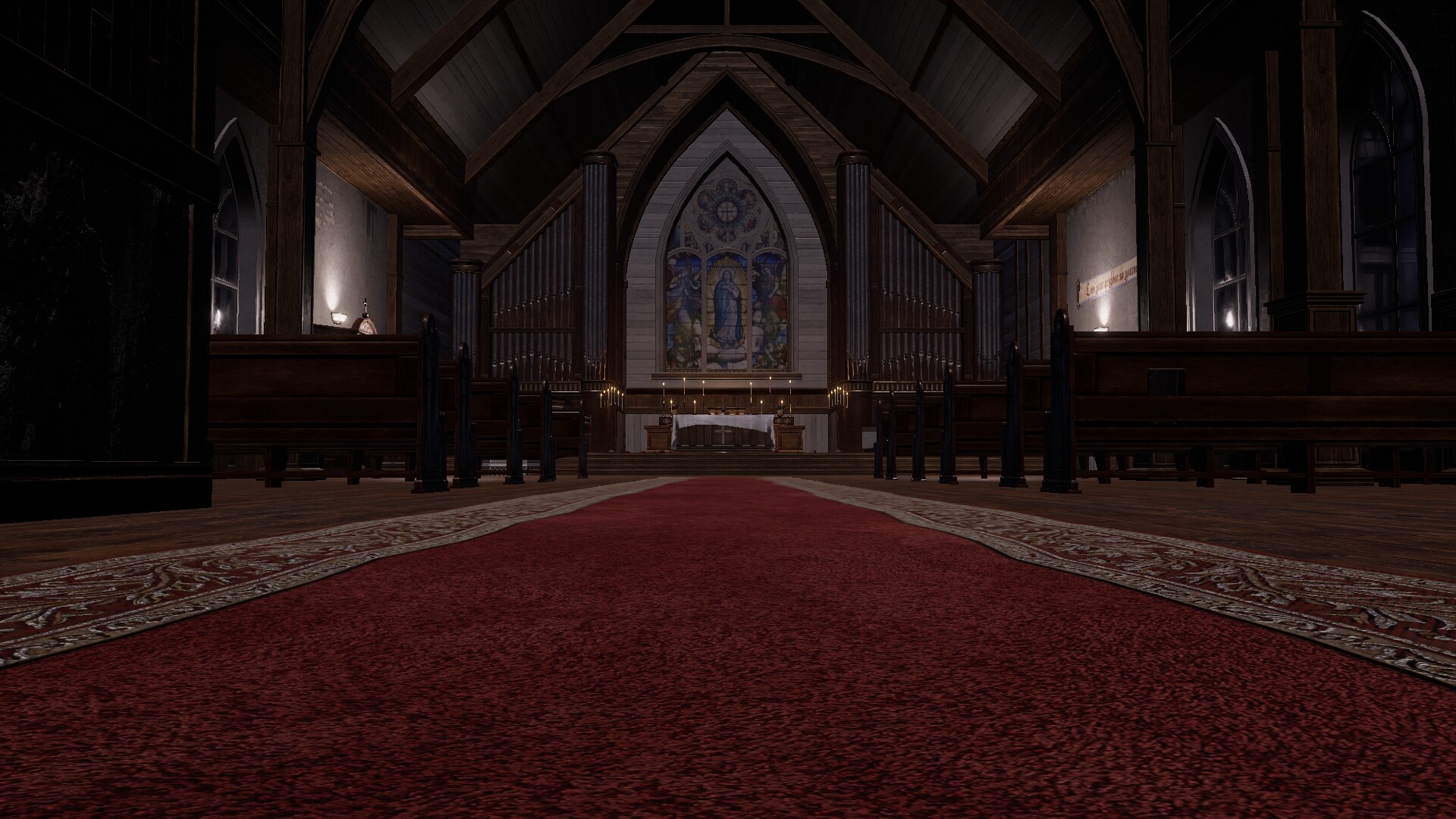
The game’s official description emphasizes a house that feels “less abandoned than erased” — rooms staged as if occupants vanished mid‑routine, identities removed and records scrubbed. That setup reframes puzzles: they aren’t arbitrary riddles but pieces of an evidentiary timeline. When Jin restores power, secured systems come back online, hidden compartments unlock and safes yield fragments of encrypted documents and suspicious transfer records. Those recovered items form the connective tissue between environmental detail and the larger conspiracy suggested by falsified identities and financial trails.
How you progress — reading clues, object logic and story puzzles
Trace of the Villa organizes progression around discovery and interpretation. The description specifically mentions:
- recovering manifests and hints that suggest continuing leads;
- restoring power to an estate so secured systems return online;
- unlocking hidden compartments and safes that reveal encrypted fragments and transfer records.
That language points to three editorially meaningful puzzle types: clue-reading (documents and manifests as primary evidence), object logic (interacting with the environment to power systems and open sealed places), and story puzzles (solving one artifact to reveal another layer of narrative). If you approach each puzzle as a piece of an investigation — asking where an item fits into a timeline or what a transfer record implies about a person’s movements — the design emphasizes narrative logic over abstract lock-and-key tricks.

Compact facts — Trace of the Villa
| Title | Trace of the Villa |
|---|---|
| Steam AppID | 3483660 |
| Release date | 28 May, 2026 |
| Developer | Steadyturtle Co., Ltd. |
| Publisher | Steadyturtle Co., Ltd. |
| Genres | Action, Adventure, Indie |
| Categories | Single-player; Color Alternatives; Custom Volume Controls; Playable without Timed Input; Subtitle Options; Family Sharing |
| Official short description | “Jin has spent years searching for his missing sister… recovered manifests and hints that indicate his sister may still be alive, somewhere at the end of the trail he is about to follow.” |
| Steam reviews (public) | No user reviews on Steam (public summary shows 0 reviews). |
How it sits relative to nearby puzzle/mystery titles
Below is an editorial comparison focused on puzzle focus, atmosphere and the kind of player likely to enjoy each title. This is an editorial discovery comparison — not an endorsement.
| Game | Puzzle focus | Atmosphere / tone | Player fit |
|---|---|---|---|
| The Room | Object-based mechanical puzzles centered on a single locked artifact. | Mysterious, tactile, claustrophobic; a contained puzzle box feel. | Players who like hands-on, tactile puzzle manipulation and short, dense puzzle sessions. |
| The Room Two | Continues the object-puzzle lineage with more varied, layered devices. | Cryptic and atmospheric; expands
Steam pageView Trace of the Villa on Steam YouTube discoveryFor trailer and gameplay discovery, use YouTube search rather than relying on unverified embeds: Find Trace of the Villa trailer and gameplay searches on YouTube. Reader decision checklistUse this checklist before deciding whether Trace of the Villa belongs on your Steam wishlist. The game is most relevant if you enjoy reading environmental evidence, following document trails, inspecting rooms for small inconsistencies, and letting a mystery unfold through objects rather than exposition. It is less about instant spectacle and more about the slow pressure of a place that seems to have been deliberately erased. SEO note for discovery-minded playersPlayers searching for atmospheric mystery adventure, clue-driven exploration, mansion mystery game, story-rich indie adventure, psychological investigation game, or narrative puzzle design are likely looking for the same core appeal: a PC game where the setting is not just a backdrop but the main source of evidence. Trace of the Villa fits that search intent because its official Steam premise centers on Jin, his missing sister, a remote mansion, restored systems, hidden compartments, safes, encrypted documents, and a trail of suspicious records. Final player-fit summaryWishlist Trace of the Villa if you want a slow investigation built around official Steam store elements: a 28 May, 2026 release from Steadyturtle Co., Ltd., a single-player PC/Steam mystery structure, official screenshots showing the mansion atmosphere, and a premise that uses the house itself as a puzzle box. The strongest fit is for players who prefer patience, observation, and narrative reconstruction over fast combat or loud horror beats. CommentsMore posts |
Leave a Reply