Trace of the Villa: why quiet tension and uncertainty beat cheap shocks
Trace of the Villa arrives on Steam on 28 May, 2026 from Steadyturtle Co., Ltd., trading loud jump scares for a claustrophobic, clue-driven investigation inside a decaying mansion. If you prefer slow-burn suspense, environmental storytelling, and puzzle-led discovery over constant fright, this one is built for that mood.

Quick facts
| Title | Trace of the Villa |
|---|---|
| Release date | 28 May, 2026 |
| Developer / Publisher | Steadyturtle Co., Ltd. |
| Genres | Action, Adventure, Indie |
| Notable Steam categories | Single-player; Color Alternatives; Custom Volume Controls; Playable without Timed Input; Subtitle Options; Family Sharing |
| Steam page | Open Trace of the Villa on Steam |
The 5W1H — who, what, when/where, why, how
Who is this for?
Players who like atmospheric mystery adventure and psychological investigation: folks who favor methodical exploration, careful note-taking, and the slow creep of unease rather than constant adrenaline spikes. The Steam categories (subtitles, color alternatives, custom volume controls, and playable without timed input) also make it approachable for players who need accessibility options or prefer a more deliberate pace.
What is the game?
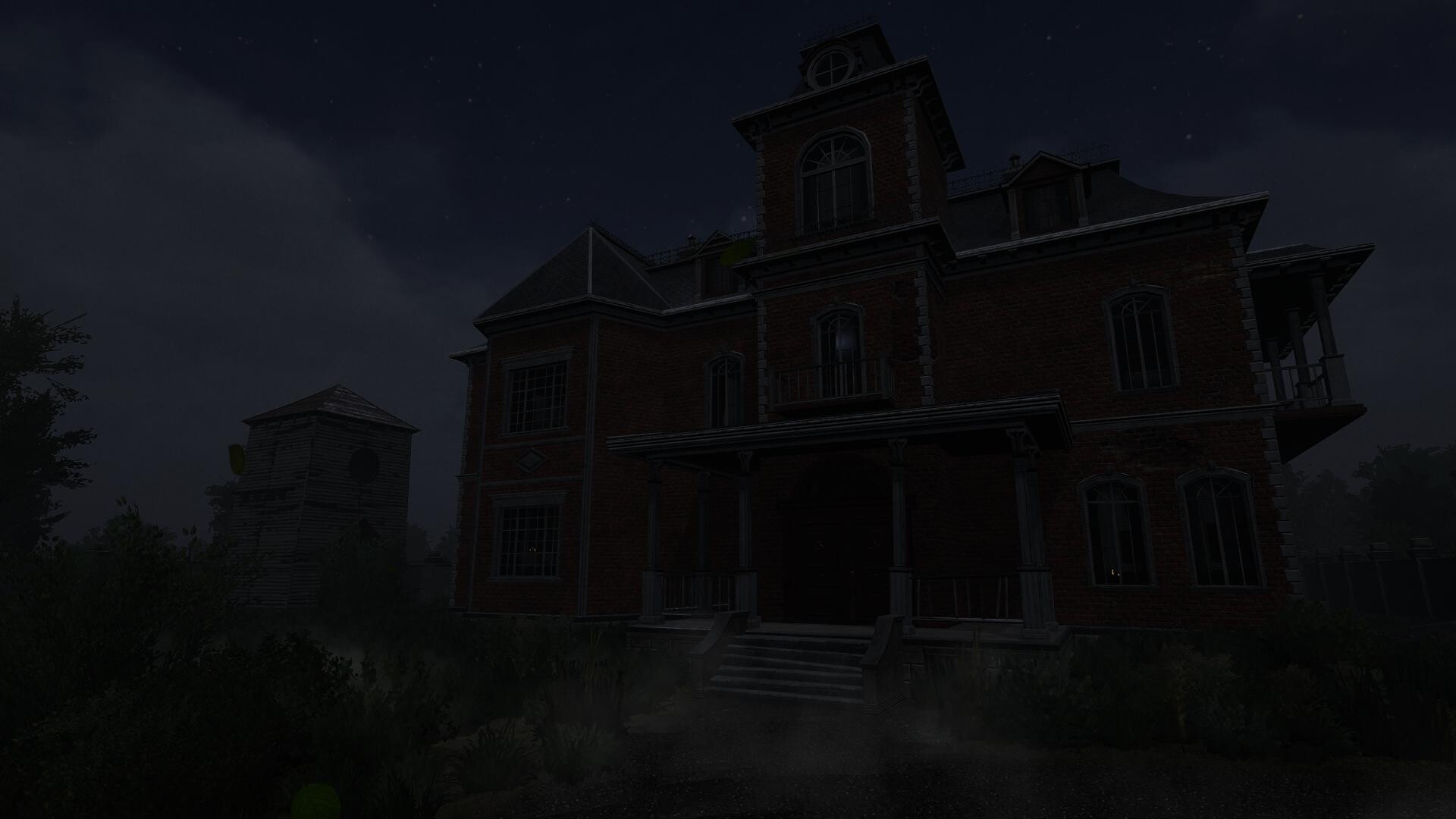
Trace of the Villa casts you as Jin, who has spent years searching for his missing sister. An old lead points to a remote, deliberately forgotten mansion. Inside, rooms are furnished but stripped of identifying details; evidence of organized concealment and encrypted documents suggest the place was part of a larger, secretive operation. The core blend is environmental storytelling, exploration, and puzzle-focused investigation within an atmospheric setting.
When and where is it available?
Trace of the Villa released on Steam on 28 May, 2026. The Steam store page is the primary place to wishlist and buy the PC edition; the store entry lists developer and publisher as Steadyturtle Co., Ltd.
Why does quiet tension matter here?
The game’s premise — rooms that look lived-in but stripped of identity, manifests, encrypted records and safes — lends itself to tension built from ambiguity. When a game makes discovery feel incremental and consequential, uncertainty becomes the engine of dread: you are never quite sure whether a clue will explain or deepen the mystery. That sustained unease often produces a more memorable mood than a sequence of scripted jump scares.
How do you progress?
Progression is investigation-first. Jin restores power to the estate, reactivating systems and unlocking hidden compartments. Players read manifests and fragments from safes, decrypt documents, and follow financial trails to piece together who passed through the mansion and why. Puzzle solving and the act of reconstructing timelines drive the narrative forward rather than combat-heavy sequences.
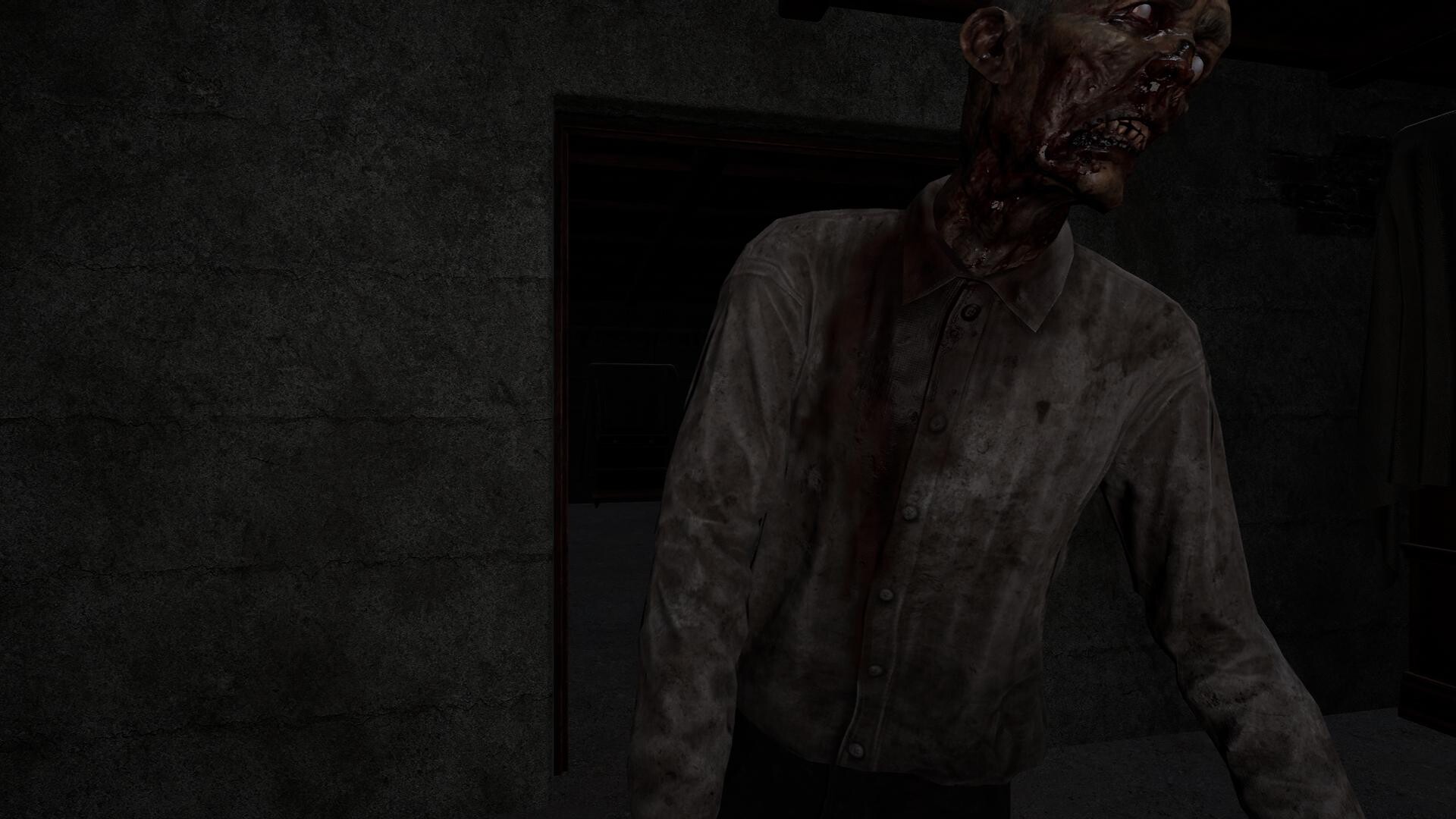
Official screenshots
Player scenarios — who will enjoy this, and who might not
If you will enjoy it
- You enjoy slow-burn suspense: patient exploration, reading documents, and incremental reveals.
- You prefer story-rich adventure and puzzle design where each solved riddle clarifies part of a wider conspiracy.
- You value accessibility features like subtitle options, custom volume controls, and the ability to play without timed input.
If you might not
- You want nonstop action or combat-heavy horror: Trace of the Villa emphasizes investigation over combat spectacle.
- You expect frequent jump scares as the primary tension mechanic; the game trades those for ambiguity and atmosphere.
How Trace of the Villa sits beside other slow-burns
Below is a compact editorial comparison that focuses on tone, puzzle/exploration emphasis, and pacing so you can decide which approach suits you.
| Title | Release | Tone / Focus | Puzzle & Exploration | Pacing |
|---|---|---|---|---|
| Trace of the Villa | 2026 | Mansion mystery; clue-driven psychological investigation | Encrypted documents, restoring systems, environmental puzzles | Slow-burn; discovery-led |
| Amnesia: The Dark Descent | 8 Sep, 2010 | First-person survival horror—immersion and existential dread | Exploration-heavy with immersive puzzles and survival mechanics | Slow to medium; sustained dread through environment |
| SOMA | 21 Sep, 2015 | Sci‑fi horror that questions identity and existence | Puzzle-solving within a narrative-driven, claustrophobic world | Measured; narrative and atmosphere carry tension |
| Layers of Fear (2016) | 15 Feb, 2016 | Psychological horror focused on atmosphere and storytelling | Exploration and narrative puzzles inside an ever-shifting mansion | Slow-burn, artful pacing |
| Poppy Playtime | 12 Oct, 2021 | Horror/puzzle adventure in an abandoned toy factory | Puzzle gadgets (e.g., GrabPack) and set-piece encounters | More toybox-action pacing with puzzle set pieces |
Use this to judge fit: if you gravitate toward narrative puzzle design and environmental storytelling (rather than combat or fast scares), Trace of the Villa is closer to the atmosphere-first tone of Layers of Fear or SOMA than to more action-oriented horror-puzzle titles.
Steam discovery & practical notes
The Steam store lists Trace of the Villa under Action, Adventure, Indie and includes the accessibility and convenience features noted above (subtitles, custom volume, color
YouTube discovery
For trailer and gameplay discovery, use YouTube search rather than relying on unverified embeds: Find Trace of the Villa trailer and gameplay searches on YouTube.
Leave a Reply