Trace of the Villa: why quiet tension and uncertain rooms matter more than jump scares
Trace of the Villa trades screaming monsters for the slow grind of uncertainty: a protagonist named Jin follows fractured leads into a decaying, deliberately forgotten mansion where the house itself feels like a crime scene of erased lives. The game’s brand of psychological tension—unexplained spaces, missing names, and financial traces that lead nowhere—makes ambiguity the engine of dread.

Quick facts
| Title | Trace of the Villa |
|---|---|
| Developer / Publisher | Steadyturtle Co., Ltd. |
| Release date | 28 May, 2026 |
| Genres | Action, Adventure, Indie |
| Steam categories | Single-player; Color Alternatives; Custom Volume Controls; Playable without Timed Input; Subtitle Options; Family Sharing |
| Steam store | Trace of the Villa on Steam |
What the game is
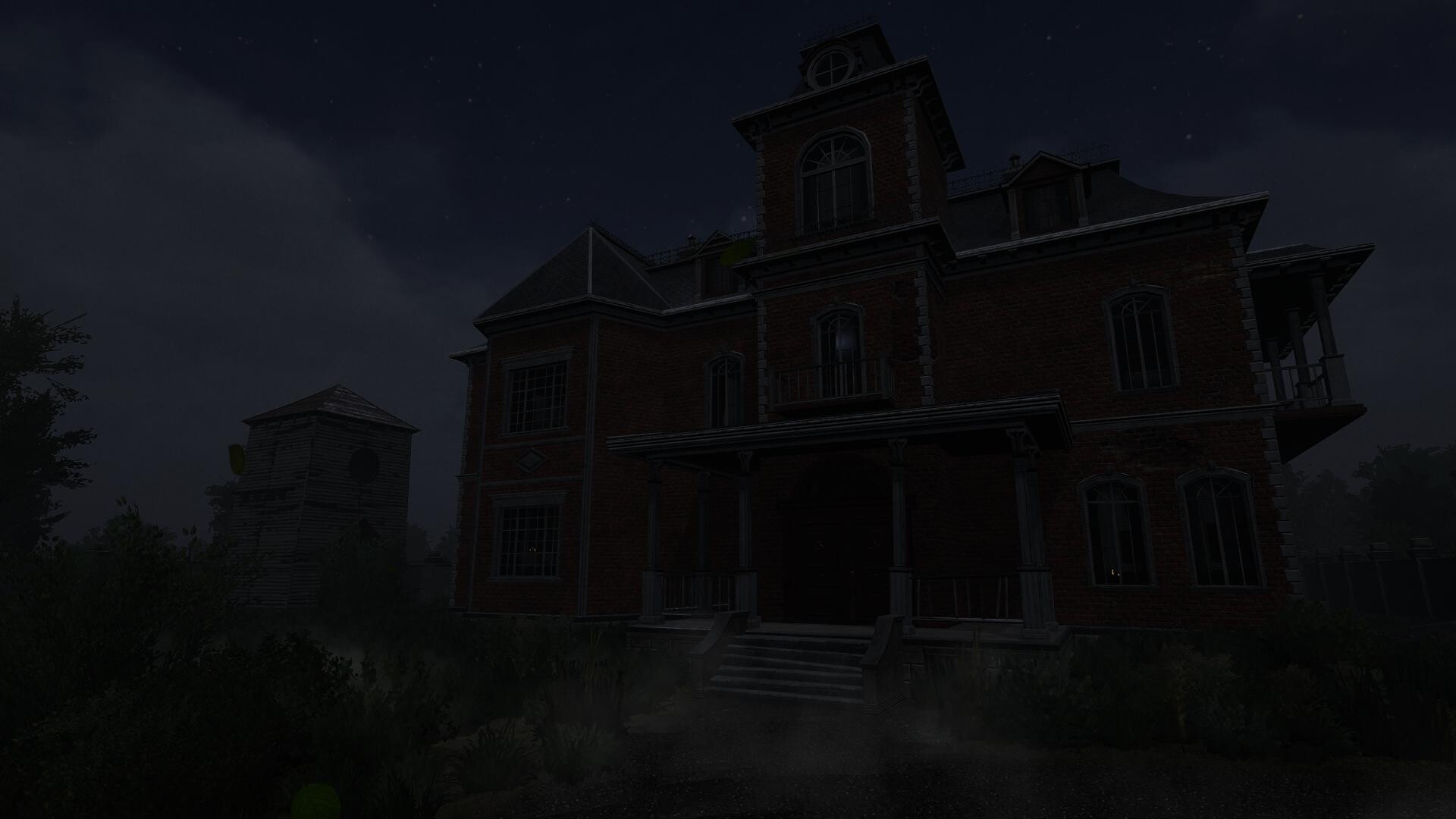
Trace of the Villa is a story-rich, clue-driven exploration set in a remote, decaying mansion. You play as Jin, a searcher whose years-long quest for a missing sister brings him to a property cut off from the grid. Early discoveries—manifests, encrypted fragments, suspicious transfer records—hint this place was never a normal home but part of a controlled operation where identities were routinely scrubbed.
Who it’s for
- Players who prefer slow-burn suspense and environmental storytelling over frequent jump scares.
- Fans of narrative puzzle design who enjoy assembling timelines from documents, locked safes, and restored systems.
- Anyone who likes investigative adventures where the house itself is the primary antagonist—through omission and erased identity rather than direct confrontation.
When and where
Trace of the Villa released on 28 May, 2026 and is available on Steam for PC. The store listing indicates single-player focus and accessibility features like subtitle options, color alternatives, and controls that don’t require timed input—details that matter if you prefer a deliberate, unrushed investigation.
Why the theme matters: unexplained spaces and identity erasure
Many horror experiences rely on visible threats; Trace of the Villa weaponizes absence. Rooms frozen mid-routine, personal belongings without names, and falsified identities create a psychological pressure that’s social and administrative rather than purely supernatural. That pattern—arrivals without records, departures without witnesses—turns mundane household artefacts into evidence. That kind of ambiguity keeps tension active between the player and the scene: you’re not only solving puzzles, you’re reading the absence of a life as a clue.

How you progress
Progression in Trace of the Villa is procedural and discovery-driven: Jin restores power to the estate, bringing secured systems back online, unlocking hidden compartments and safes that reveal manifests and fragments of encrypted documents. Each recovered item is part of a chain: financial trails that lead nowhere, falsified IDs, and movements masked by the mansion’s infrastructure. Puzzle-solving feeds investigation—every mechanical solution or code cracked adds context to the timeline and narrows the field of uncertainty.
Player scenarios — decide if it fits your shelf
- You like slow-burn detective work: If you welcome methodical searching, document-assembly, and environments that tell stories through what’s missing, this will fit. The mansion’s design rewards careful observation.
- You prefer clear combat and constant action: Trace of the Villa emphasizes atmosphere and clue-work over combat spectacle—players seeking nonstop action may find its pacing restrained.
- You need accessibility and control options: The Steam categories include Subtitle Options, Custom Volume Controls, Color Alternatives, and Playable without Timed Input—useful if you want a measured investigative experience without reflex pressure.
How it compares to nearby titles
Below is a compact editorial comparison using lawful criteria: genre focus, atmosphere, puzzle/exploration emphasis, and pacing/tone. This is meant to help you map Trace of the Villa to similar psychological or investigation-driven games.
| Title | Genre / Focus | Atmosphere / Story Tone | Puzzle / Exploration Style | Pacing |
|---|---|---|---|---|
| Trace of the Villa | Action / Adventure / Indie — clue-driven exploration | Quiet, erasure-driven mystery; identity and administrative disappearance | Document recovery, power restoration, locked safes, encrypted fragments | Slow-burn, investigative |
| Amnesia: The Dark Descent | Action / Adventure / Indie — immersive survival horror | Visceral dread and helplessness in a gothic environment | Environmental puzzles with survival mechanics and immersion | Intense, immersion-first |
| SOMA | Action / Adventure / Indie — sci‑fi psychological horror | Existential dread beneath the ocean; identity and consciousness themes | Exploration-led narrative with puzzles that emphasize story and moral questions | Measured, narrative-driven |
| Layers of Fear (2016) | Adventure / Indie — first-person psychological horror |
Leave a Reply