Trace of the Villa — Who should wishlist it after atmospheric mystery adventures?
Trace of the Villa is a slow-burn, clue-driven investigation set in a deliberately forgotten, decaying mansion where Jin follows manifests and hints that may lead to his missing sister. Released 28 May, 2026 by Steadyturtle Co., Ltd., it leans on environmental evidence, forensic curiosity and methodical puzzle work rather than jump scares or constant action.
Who this is for
This is aimed at PC players who like atmospheric mystery adventure and story-rich exploration more than twitch reflexes — people who enjoy reading the environment like a crime scene. If you prefer slow investigation, piecing together timelines from objects and logs, and patient unraveling of a narrative in a single-player context, Trace of the Villa is targeted at you. Its Steam categories (Single-player; Color Alternatives; Custom Volume Controls; Playable without Timed Input; Subtitle Options; Family Sharing) underline that it accommodates careful play and accessibility over frantic mechanics.
What the game is
Trace of the Villa casts you as Jin, who discovers a remote, decaying mansion after years searching for his missing sister. The official short description notes Jin “recovered manifests and hints that indicate his sister may still be alive.” The longer Steam description frames the mansion as less abandoned than erased: furnished rooms, locked doors, missing identities, and secured systems that reveal financial trails and falsified records as you restore power and unlock secrets. The game is listed under Action, Adventure, Indie on Steam, but the emphasis in the description is investigative and narrative — environmental storytelling, forensic curiosity, and slow piecing-together of evidence.
When and where
Trace of the Villa launched on Steam 28 May, 2026. It is published and developed by Steadyturtle Co., Ltd. The Steam store page lists the app ID as 3483660.
Why the mansion, why the methodical pace
The mansion setting matters because it naturally encodes environmental evidence: rooms frozen in mid-routine, safes and encrypted documents, and systems that only reveal their histories when power and access are restored. That setup favors players who enjoy forensic curiosity — reading traces, connecting faint leads, and following financial or identity clues across a location that was used as a controlled hub for unknown operations. The narrative tone suggested by the Steam description promises slow-burn suspense rather than constant horror beats, so patience and attention to detail are rewarded.
How you progress — reading clues and moving the investigation forward
The official description makes clear that progress is unlocked by restoring systems and solving secured puzzles: “When Jin restores power to the estate, the house begins to reveal what it was hiding.” Expect environmental puzzles, locked compartments, safes and fragments of encrypted documents and transfer records. The investigative loop is about collecting physical and digital traces, assembling a timeline, and following leads that point outward from the mansion. The Steam categories (Playable without Timed Input, Subtitle Options) indicate a design that favors deliberate thinking and readable text over pressure mechanics.
Player scenarios — who will get the most from Trace of the Villa
- The forensic-focused explorer: You treat rooms like case files. You want to examine objects, follow paper trails and reconstruct a story from small, mundane details.
- The slow-burn narrative player: You prefer tension built through implication and discovery rather than constant on-screen threats or action set pieces.
- The puzzle-minded environmentalist: You enjoy puzzles that arise naturally from the setting — restoring power, unlocking safes, finding hidden compartments — and the rewards are story fragments and context rather than loot or combat upgrades.
- The comfortable-player on PC: You want single-player, subtitle support, and options like custom volume and color alternatives that make long investigative sessions easier on the eyes and ears.
How Trace of the Villa compares to nearby mystery and puzzle titles
Below is a compact editorial comparison focused on genre, atmosphere, puzzle emphasis, exploration style, story tone and pacing — intended to help you decide which follow-up suits your tastes.
| Title | Genre / Focus | Atmosphere | Puzzle vs Action | Exploration style | Pacing / Tone |
|---|---|---|---|---|---|
| Trace of the Villa | Action, Adventure, Indie (investigative) | Decaying mansion; erased identities; forensic detail | Puzzle-driven with investigative systems | Mansion-based, restoring power and unlocking records | Slow-burn suspense; methodical investigation |
| Amnesia: The Dark Descent (2010) | Action, Adventure, Indie (survival horror) | Immersive, nightmare-driven | Less puzzle-first, more survival + exploration | First-person, fear-focused navigation | Tense, often frantic; horror immersion |
| SOMA (2015) | Action, Adventure, Indie (sci‑fi horror) | Claustrophobic, underwater sci-fi dread | Story and exploration over combat; puzzle elements | Linear, atmospheric environments with narrative beats | Philosophical, unsettling, medium-paced |
| Layers of Fear (2016) | Adventure, Indie (psychological horror) | Victorian mansion, psychological unease | Atmosphere-driven puzzles and scenes | Shifting rooms and surreal exploration | Psychological, slowly escalating tension |
| The Room (2014) | Adventure, Indie (puzzle box) | Curiosity-led, intimate mystery | Puzzle-first; tactile mechanical puzzles | Confined puzzle spaces rather than open exploration | Focused, compact, puzzle-focused pacing |
| Rusty Lake Hotel (2016) | Adventure, Indie (point-and-click puzzles) | Dark, eerie puzzle hotel | Puzzle-centric, episodic | Discrete rooms and vignette-style scenes | Short-form, puzzle-story vignettes; whimsical macabre tone |
Editorial note: If you primarily like mechanical, room-by-room puzzle boxes (The Room) or short episodic puzzles (Rusty Lake Hotel), you may prefer those over a sprawling mansion investigation. If you want heavier horror and panic (Amnesia), expect a different pacing from Trace of the Villa’s methodical evidence gathering. If you value haunting atmosphere and narrative puzzles (Layers of Fear, SOMA), Trace of the Villa sits closer to that tradition but emphasizes forensic trails and restored systems as investigative mechanics.
Visuals

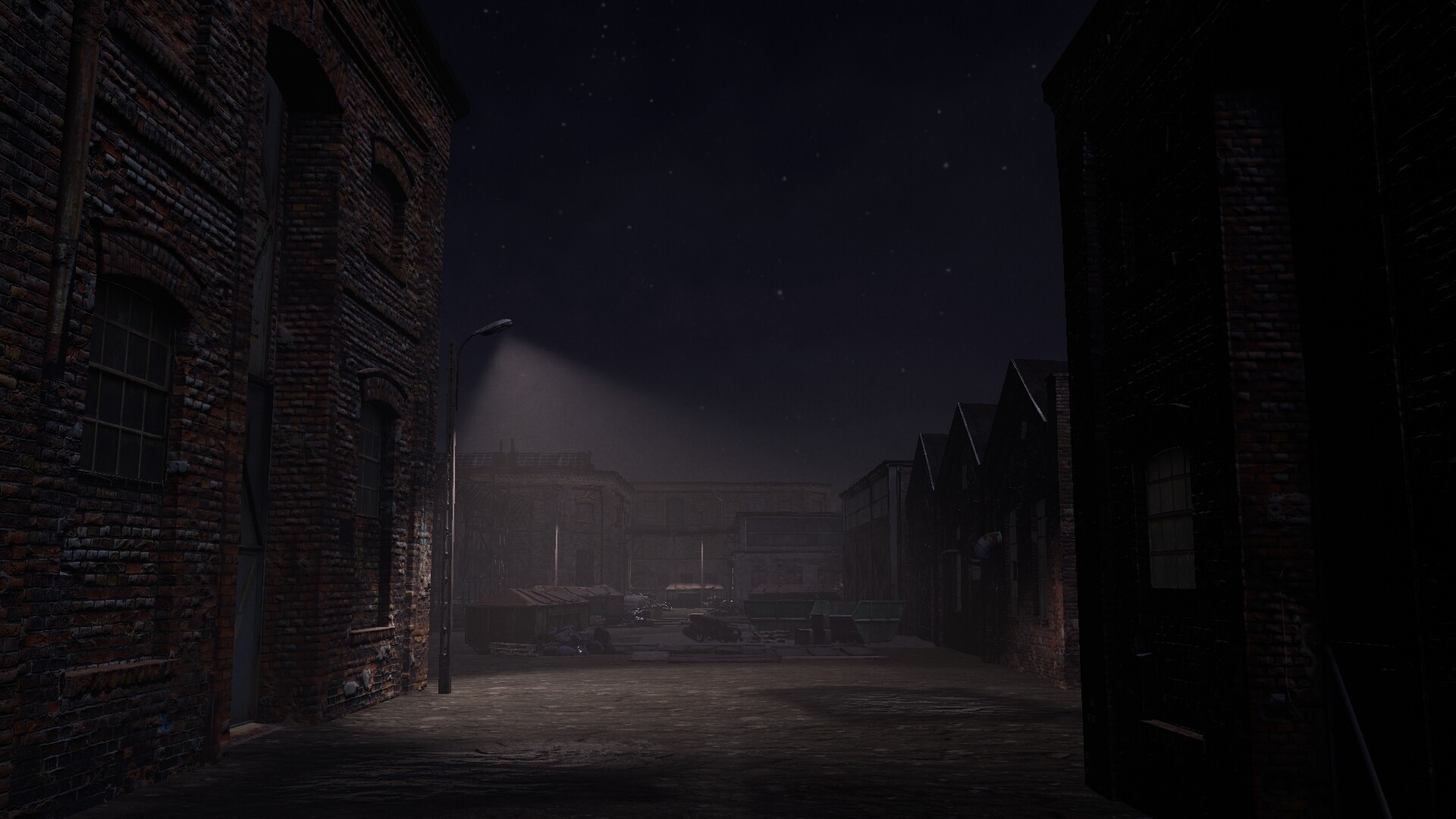
Quick facts
| Title | Trace of the Villa |
|---|
Leave a Reply