
Trace of the Villa — inspection-heavy mansion mystery for clue-readers
Trace of the Villa drops you into a decaying, off-grid mansion where Jin follows leads that suggest his missing sister may still be alive. The game (Steadyturtle Co., Ltd.) leans on locked doors, hidden compartments and recovered manifests to turn environmental reading and object logic into the central play loop.

Quick facts
| Title | Trace of the Villa |
|---|---|
| Developer / Publisher | Steadyturtle Co., Ltd. |
| Release date | 28 May, 2026 |
| Steam appid | 3483660 |
| Genres | Action, Adventure, Indie |
| Key Steam categories | Single-player; Color Alternatives; Custom Volume Controls; Playable without Timed Input; Subtitle Options; Family Sharing |
| Official premise | Jin investigates a remote, decaying mansion and restores systems to uncover manifests, encrypted documents and hints that point to his missing sister. |
Who should wishlist this
- Players who prefer slow-burn, clue-driven exploration over twitch reflexes — the Steam page lists Single-player and Playable without Timed Input as categories.
- Fans of inspection-heavy design: people who enjoy examining rooms, restoring systems, and following chained clues (manifests, safes and encrypted documents are explicit devices in the official description).
- Anyone who values configurable accessibility options on PC — color alternatives, custom volume controls and subtitle options are included in the Steam listing.
What the game is — atmosphere and mechanics you can expect
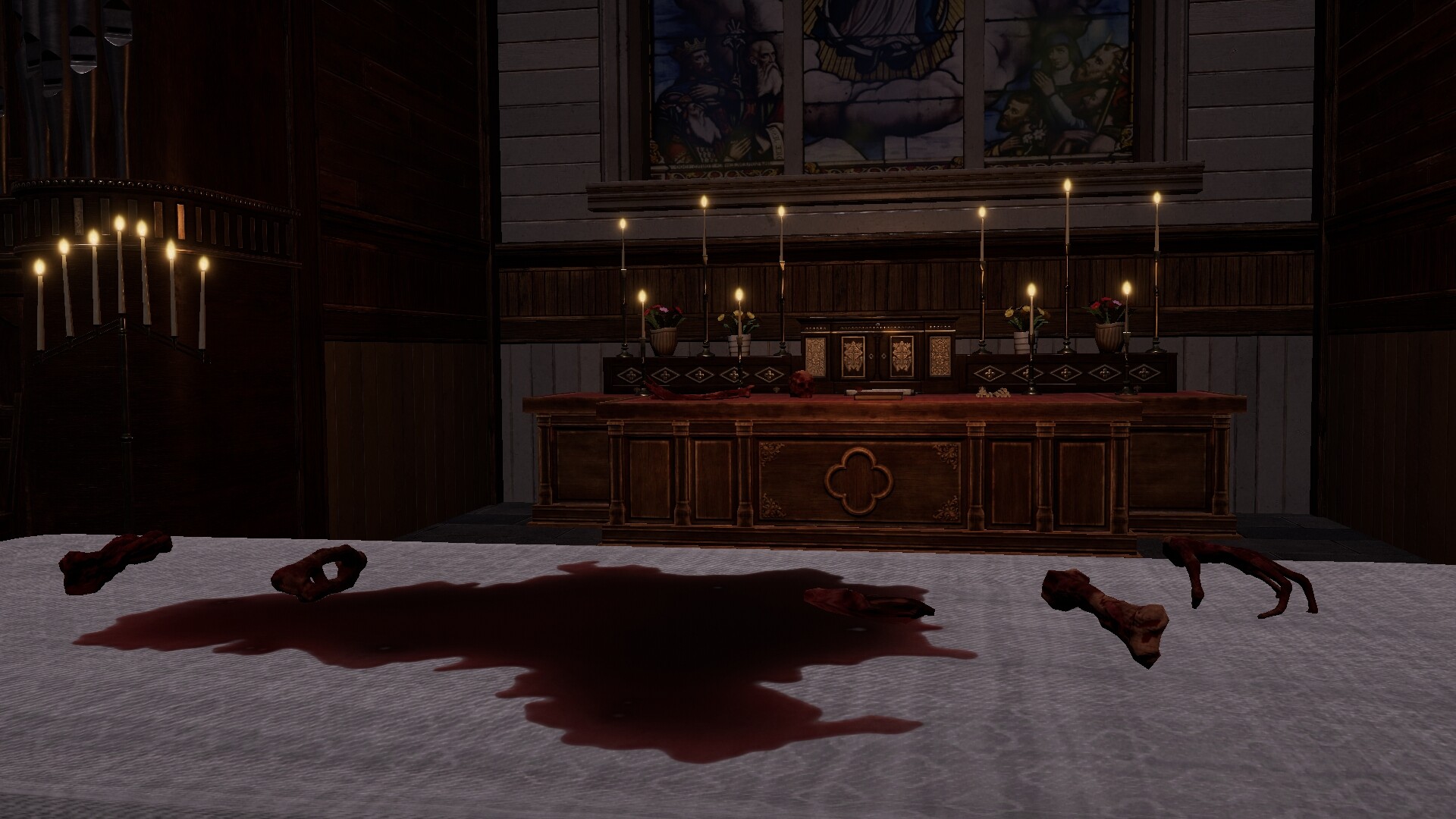
The official Steam description frames Trace of the Villa as a narrative puzzle-adventure anchored in a single location: a deliberately forgotten mansion cut off from the grid. Rooms appear preserved mid-routine, with doors locked and identities erased; the player restores power, brings systems back online and uses revealed systems and safes to extract fragments of evidence. That setup positions object logic and environmental puzzles — locked cabinets, safes, hidden compartments and secured systems — as the means of narrative discovery rather than combat or timed challenges.

When and where
Trace of the Villa is listed on Steam with a release date of 28 May, 2026. It appears as a PC/Steam title with standard single-player support and Steam accessibility categories noted on the store page.
Why the mansion setting matters for puzzle design
A mansion locked in time is a practical scaffolding for chain puzzles. The house’s preserved rooms and “erased” identities turn ordinary objects — manifests, transfer records, safes and institutional systems — into narrative nodes. When a game makes the environment itself the ledger of past events, players read object placement, damage, and wiring as clues. Trace of the Villa’s official text specifically cites restored power bringing secured systems back online and safes yielding encrypted fragments; that sequence implies a logical progression from visible surface clues to mechanical or coded solutions.
How you progress: inspection, object logic, and clue chains
According to the Steam description, progression is driven by restoring systems and uncovering documents and records. Expect a chain-based design where one solution (power restored, a safe opened) provides the next lead (encrypted manifests, transfer records). That structure rewards methodical inspection: cataloguing visible anomalies, testing hypotheses against in-world instruments, and cross-referencing fragments recovered from different rooms. The lack of timed input in Steam categories suggests puzzles emphasize thought and observation over time pressure.
Player scenarios — who will enjoy this most
- Solo puzzle readers: you like to methodically comb rooms for incongruities — a missing photo, an out-of-place ledger — and follow a breadcrumb trail of artifacts to a reveal.
- Story-driven explorers: you prioritize narrative implications of found documents (manifests, falsified identities, suspicious transfer records) and are comfortable with a slow-burn reveal.
- Accessibility-minded PC players: you prefer titles with subtitle support, color alternatives and adjustable audio rather than enforced reflex tests.
How it compares — at-a-glance editorial table
| Title | Primary genre / tone | Puzzle focus | Exploration style | Player fit |
|---|---|---|---|---|
| Trace of the Villa | Action / Adventure / Indie — mansion mystery, slow-burn | Object logic, locked safes, restored systems, document fragments (inspection-heavy) | Single-location mansion, environmental reading, narrative chaining | Players who like methodical clue-chains and story-led puzzle progression |
| The Room / The Room Two | Adventure / Indie — tactile puzzle boxes, atmospheric | Mechanical object puzzles and multi-step locks (puzzle-box emphasis) | Focused puzzle chambers with dense, handcrafted objects | Those who enjoy intimate, tactile object puzzles and handcrafted riddles |
| Escape Simulator | Adventure / Simulation / Indie — interactive escape rooms | High interactivity; move/equip items, physics and object manipulation | Multiple themed rooms, often designed for cooperative play | Players who want sandbox-y interaction and both solo and co-op room design |
| Hi‑Fi RUSH | Action — rhythm-driven action | Not puzzle-focused; gameplay centers on combat and timing to music | Linear, combat and rhythm-based progression | Players seeking action and rhythmic pacing rather than inspection puzzles |
Deciding checklist
If you answered “yes” to most of these, Trace of the Villa fits your taste:
- Do you prefer reading an environment to deduce what happened rather than relying on combat or platforming?
- Do you enjoy chained puzzle progression where one discovery unlocks the next lead?
- Do accessibility options like subtitles and configurable UI/audio matter to you?
YouTube discovery
Looking for trailers or gameplay clips? Search results for “Trace of the Villa trailer gameplay” can be found here: YouTube search: Trace of the Villa trailer gameplay. (Use the link as
Leave a Reply