
Trace of the Villa — how puzzles reveal evidence without spoiling the mystery
Trace of the Villa is a slow-burn, story-rich puzzle adventure that follows Jin as he investigates a remote, decaying mansion to follow leads about his missing sister. The game stages evidence through objects, restored systems, and encrypted fragments so players assemble the plot from clues rather than being told outright.

Facts at a glance
| Title | Trace of the Villa |
|---|---|
| Developer / Publisher | Steadyturtle Co., Ltd. |
| Release date | 28 May, 2026 |
| Genres / Categories | Action, Adventure, Indie — Single-player. Color Alternatives, Custom Volume Controls, Playable without Timed Input, Subtitle Options, Family Sharing. |
| Steam app ID | 3483660 |
| Steam reviews (public) | No user reviews (public summary shows 0 reviews) |
Who this is for
Choose Trace of the Villa if you favor atmospheric mystery adventure on PC: players who like slow-burn mansion mysteries, environmental storytelling, and piecing together narrative threads from objects rather than cutscenes. The Steam page lists accessibility-friendly categories such as “Playable without Timed Input” and “Subtitle Options,” which will appeal to players who prefer thoughtful, deliberate puzzle pacing over twitch or time-limited challenges.
What the game is (without spoiling)
Officially, Jin has spent years searching for his missing sister and follows a lead to a remote, decaying mansion where he recovers manifests and hints that suggest she may still be alive. The mansion is presented as a place where occupancy appears to have been erased: rooms look lived-in but lack names or photographs, and locked doors and secured systems hide fragments of a larger operation. Mechanically, the narrative is revealed by restoring power, uncovering hidden compartments, opening safes, and reading recovered documents and manifests.
When and where
Trace of the Villa released on 28 May, 2026 and is available on Steam for PC. The Steam store page includes the official header and multiple screenshots that illustrate interiors and interface elements from the mansion investigation.
Why the theme matters — evidence as pacing
Rather than presenting exposition up front, Trace of the Villa uses physical evidence to pace revelations: restoring utilities and returning systems online is both a puzzle step and a narrative device. Safes and encrypted fragments act as micro-rewards that expand the player’s understanding of what the mansion was used for. That design keeps the tension focused on interpretation — the player reads meaning into manifests, transfer records, and encrypted notes — which preserves later story beats and avoids heavy-handed spoilers.
How clues, object logic, and story puzzles work together
From the official description: secured systems come back online when power is restored, hidden compartments unlock, and safes yield fragments of encrypted documents and suspicious transfer records. Those are explicit puzzle outcomes rather than blunt plot reveals. In practice, that means you progress by:
- Examining objects and environments for usable clues (manifests, misplaced items, locked panels).
- Using environmental puzzles (restoring power, aligning mechanisms) to gain access to new areas or data.
- Interpreting partial documents and traces of transactions to form hypotheses about timelines and people — the game gives evidence, not instant answers.
This combination lets players hypothesize and test theories without the narrative being spelled out, so the act of deduction becomes the primary reward.
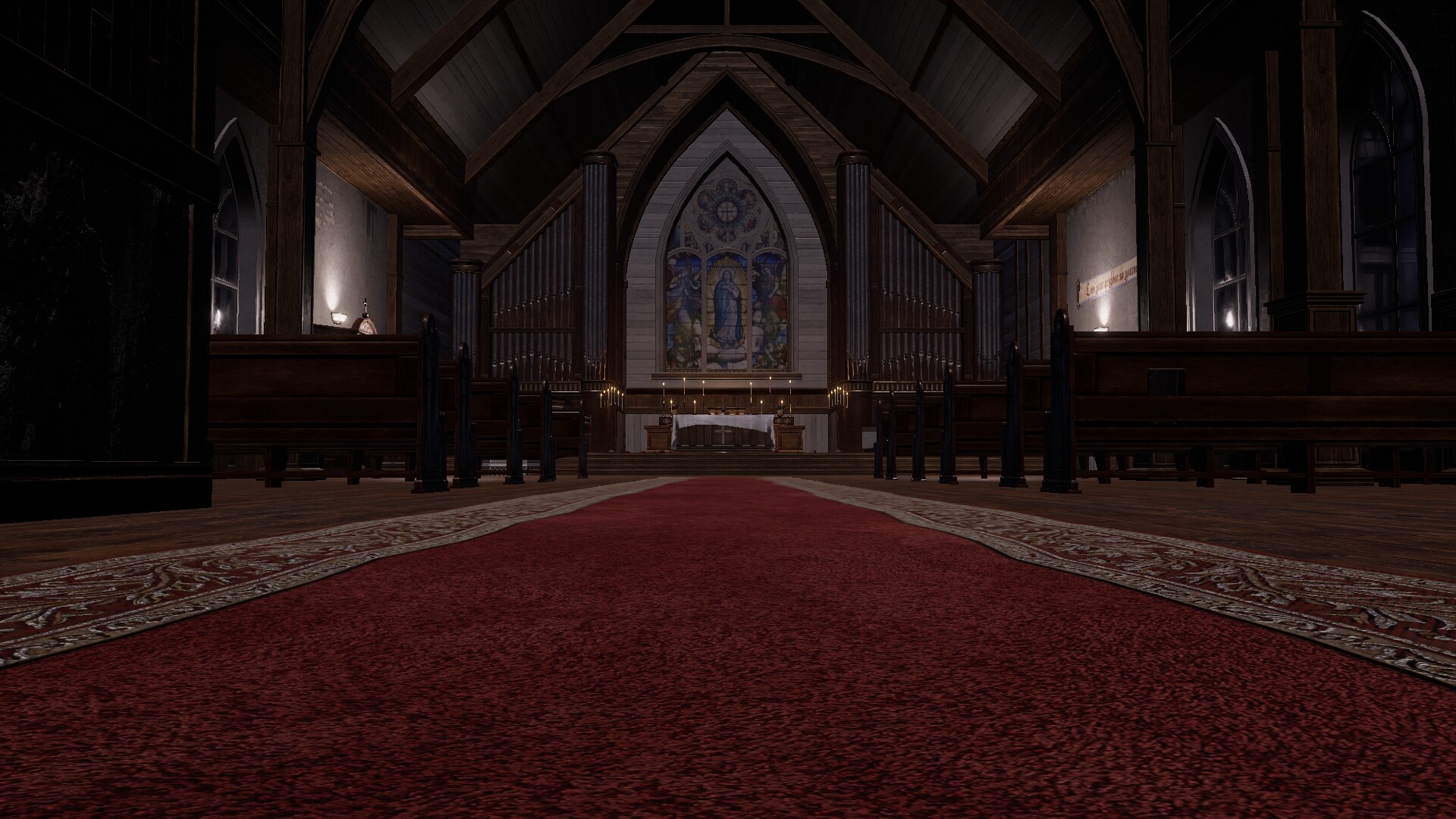

Player scenarios — decide if it’s your pace
- Scenario A — You like methodical detective work: You’ll enjoy tracing financial fragments and assembling timelines from partial documents and reactivated systems.
- Scenario B — You prefer object-focused environmental storytelling: The mansion’s staged rooms and missing identity cues reward careful searching and inference.
- Scenario C — You dislike timed or reflex puzzles: The Steam categories include “Playable without Timed Input,” so the game favors thought over speed.
- Scenario D — You want cinematic horror jumps
Steam page
View Trace of the Villa on Steam
YouTube discovery
For trailer and gameplay discovery, use YouTube search rather than relying on unverified embeds: Find Trace of the Villa trailer and gameplay searches on YouTube.
Reader decision checklist
Use this checklist before deciding whether Trace of the Villa belongs on your Steam wishlist. The game is most relevant if you enjoy reading environmental evidence, following document trails, inspecting rooms for small inconsistencies, and letting a mystery unfold through objects rather than exposition. It is less about instant spectacle and more about the slow pressure of a place that seems to have been deliberately erased.
SEO note for discovery-minded players
Players searching for atmospheric mystery adventure, clue-driven exploration, mansion mystery game, story-rich indie adventure, psychological investigation game, or narrative puzzle design are likely looking for the same core appeal: a PC game where the setting is not just a backdrop but the main source of evidence. Trace of the Villa fits that search intent because its official Steam premise centers on Jin, his missing sister, a remote mansion, restored systems, hidden compartments, safes, encrypted documents, and a trail of suspicious records.
Final player-fit summary
Wishlist Trace of the Villa if you want a slow investigation built around official Steam store elements: a 28 May, 2026 release from Steadyturtle Co., Ltd., a single-player PC/Steam mystery structure, official screenshots showing the mansion atmosphere, and a premise that uses the house itself as a puzzle box. The strongest fit is for players who prefer patience, observation, and narrative reconstruction over fast combat or loud horror beats.
Leave a Reply