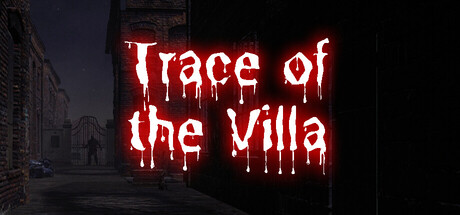
Trace of the Villa — a slow-burn mansion mystery for meticulous clue-readers
Jin arrives at a remote, decaying mansion with a single stubborn hope: the manifests and hints he recovered point to a trail that might lead to his missing sister. Trace of the Villa (Steadyturtle Co., Ltd., released 28 May, 2026) is an atmospheric, clue-driven adventure that asks players to treat environment and documents as the primary puzzle pieces.

| Title | Trace of the Villa |
|---|---|
| Release date | 28 May, 2026 |
| Developer / Publisher | Steadyturtle Co., Ltd. |
| Genres | Action, Adventure, Indie |
| Steam categories | Single-player; Color Alternatives; Custom Volume Controls; Playable without Timed Input; Subtitle Options; Family Sharing |
| Steam app | Trace of the Villa on Steam |
Who this is for
If you savor meticulous environmental storytelling, collect-able scraps of evidence, and patient unspooling of a family’s erased history, Trace of the Villa is pitched at you. This is a title for investigation fans who prefer reading manifests and decrypting financial traces over action spectacle, for lore readers who reconstruct timelines from hints, and for players who treat a mansion’s furnishings as testimony rather than decoration.
What the game is
Officially, Trace of the Villa follows Jin, who has been searching for his missing sister for years. A lead sent him to a property “cut off from the grid and deliberately forgotten.” Inside, rooms look as though their occupants vanished mid-routine, and restoring power reveals secured systems, hidden compartments, safes with fragments of encrypted documents, and suspicious transfer records. The tone is investigative and unsettling: falsified identities, arrivals without records, and movements masked behind forms of concealment form the backbone of the story material presented to players.

When and where
Trace of the Villa is available on Steam with a release date of 28 May, 2026. It is listed under PC/Steam categories indicating single-player focus and accessibility options such as subtitle support and color alternatives.
Why the theme matters
The premise centers on identity removed at scale: rooms staged without names, transfer records that lead nowhere, and systems that only reveal history when powered. That setup rewards players who read carefully—any misread clue can derail a reconstruction of the timeline. For players who value slow-burn suspense and a realistic investigative logic, the theme makes every mundane object potentially meaningful and every administrative record a plot thread.
How you progress — reading clues and piecing timelines
- Environmental evidence is primary: furniture, locked doors, and apparently abandoned personal effects are presented as intentional story beats rather than pure atmosphere.
- Systems and safes are reactive: restoring power makes secured systems come back online and hidden compartments unlock, exposing encrypted documents and suspicious transfer records referenced in the official description.
- Document forensics matters: manifests and fragments appear to function as connective tissue, so literacy with timelines and cross-referencing will be rewarded.
- Puzzle design leans toward investigation rather than reflex — categories such as “Playable without Timed Input” suggest a deliberate, contemplative pace.
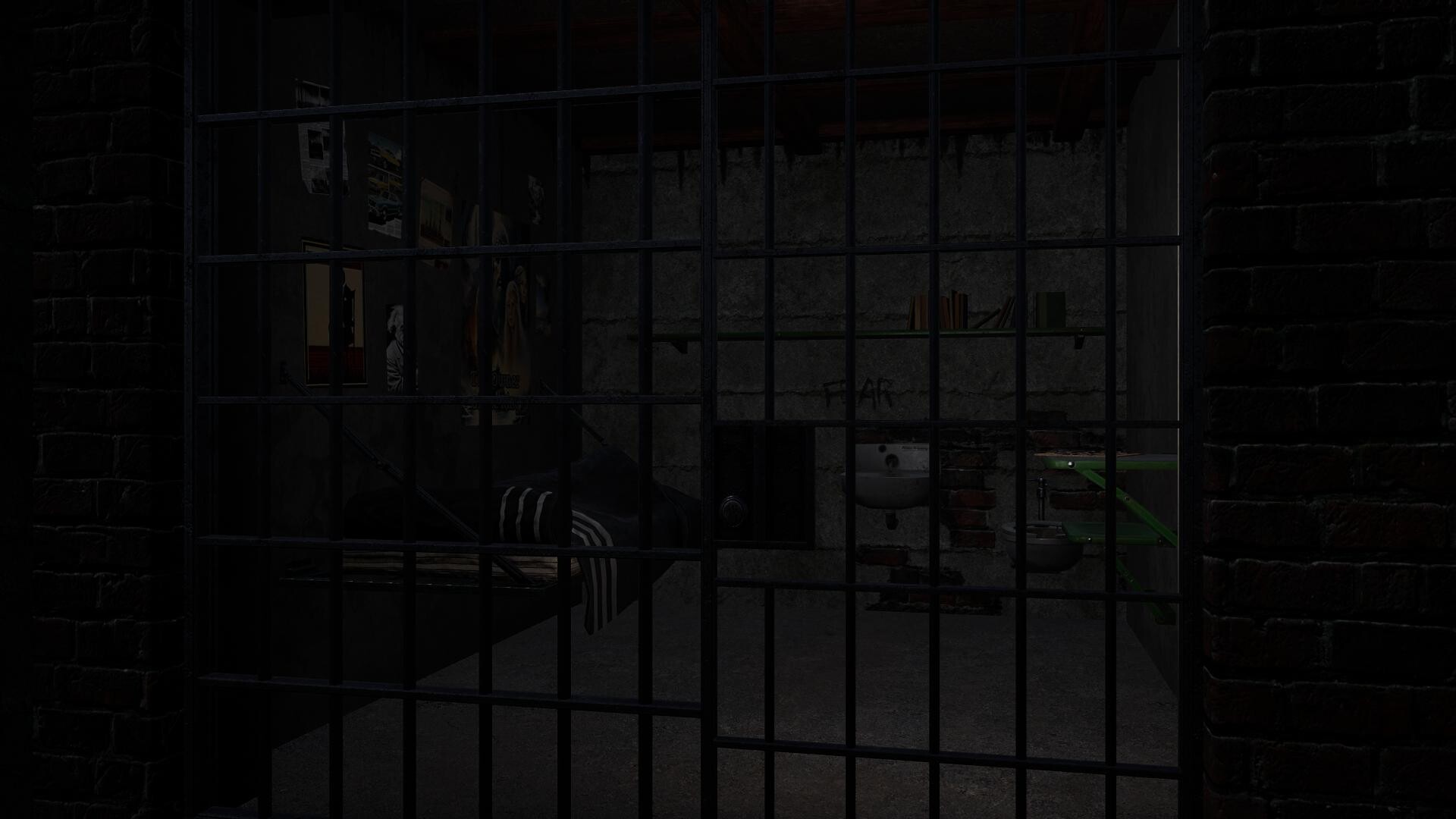
Player scenarios — how different investigation fans should approach it
- For meticulous dossier-builders: Treat every manifest, bank record, and log as a potential linchpin. Keep notes and build timelines outside the game if that helps you track arrivals and departures.
- For environmental story readers: Move slowly through rooms, cross-check objects with nearby documents, and restore systems early to reveal locked layers of the mansion’s story.
- For achievement/hardcore completionists who also love lore: Focus on unlocking safes and documents; the narrative seems to reward thorough searches and reconstructive thinking.
- For atmosphere-first players: Embrace the slow creep of discovery — the game’s pacing and lack of timed inputs encourage savouring the mood and letting suspense build from small reveals.
How it compares to nearby story-rich mysteries
| Title | Shared focus | How Trace of the Villa differs (editorial) |
|---|---|---|
| Inscryption | Atmosphere, puzzle layers, narrative secrets | Inscryption blends card mechanics with meta-horror and puzzle rooms; Trace emphasizes environmental document forensics and estate-bound investigation rather than roguelike card systems. |
| Outer Wilds | Exploration-driven mystery, piecing together timeline | Outer Wilds rewards spatial and cosmological discovery with a time-loop structure; Trace of the Villa keeps the mystery intimate and human-scale within a single estate and its records. |
| The Forgotten City | Narrative-driven investigation, moral/structural puzzles | Forgotten City uses a time-loop and moral puzzle framing; Trace appears to center on archival reconstruction and uncovering erasures of identity rather than social moral experiments. |
| The Medium | Psychological atmosphere, dual-realm story | The Medium uses parallel-reality mechanics and psychic perspectives; Trace focuses on documentary evidence and interactive systems within a physical mansion. |
| Journey | Evocative atmosphere, wordless storytelling | Journey prioritizes minimalist symbol-driven discovery and co-op moments; Trace prioritizes textual clues, records, and deductive reasoning in a single-location mystery. |
Leave a Reply