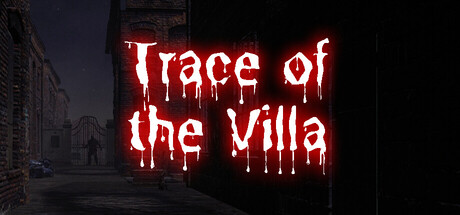
Trace of the Villa — a premise-first guide for players who want story context without spoilers
Trace of the Villa positions you at the threshold of a decaying, deliberately forgotten mansion as Jin — a protagonist driven by years-long searches for his missing sister. The game trades jump scares for slow-burn suspense, asking you to read manifests, restore systems, and trace financial and identity clues that hint the trail may still lead to her.

Quick facts
| Title | Trace of the Villa |
|---|---|
| Steam appid | 3483660 |
| Release date | 28 May, 2026 |
| Developer / Publisher | Steadyturtle Co., Ltd. |
| Genres | Action, Adventure, Indie |
| Steam categories | Single-player, Color Alternatives, Custom Volume Controls, Playable without Timed Input, Subtitle Options, Family Sharing |
| Official premise | Jin has spent years searching for his missing sister, pursuing leads that took him to a remote, decaying mansion where he recovered manifests and hints that indicate his sister may still be alive. |
Who this is for
If you prize atmospheric mystery adventure that favors environmental storytelling, slow-burn suspense, and clue-driven exploration over high-octane horror, Trace of the Villa is aimed at you. Players who enjoy piecing together fragmented records, rebuilding in-world systems, and following a personal, emotionally-motivated investigation will likely appreciate the game’s premise and pacing.
What the game is (premise-first)
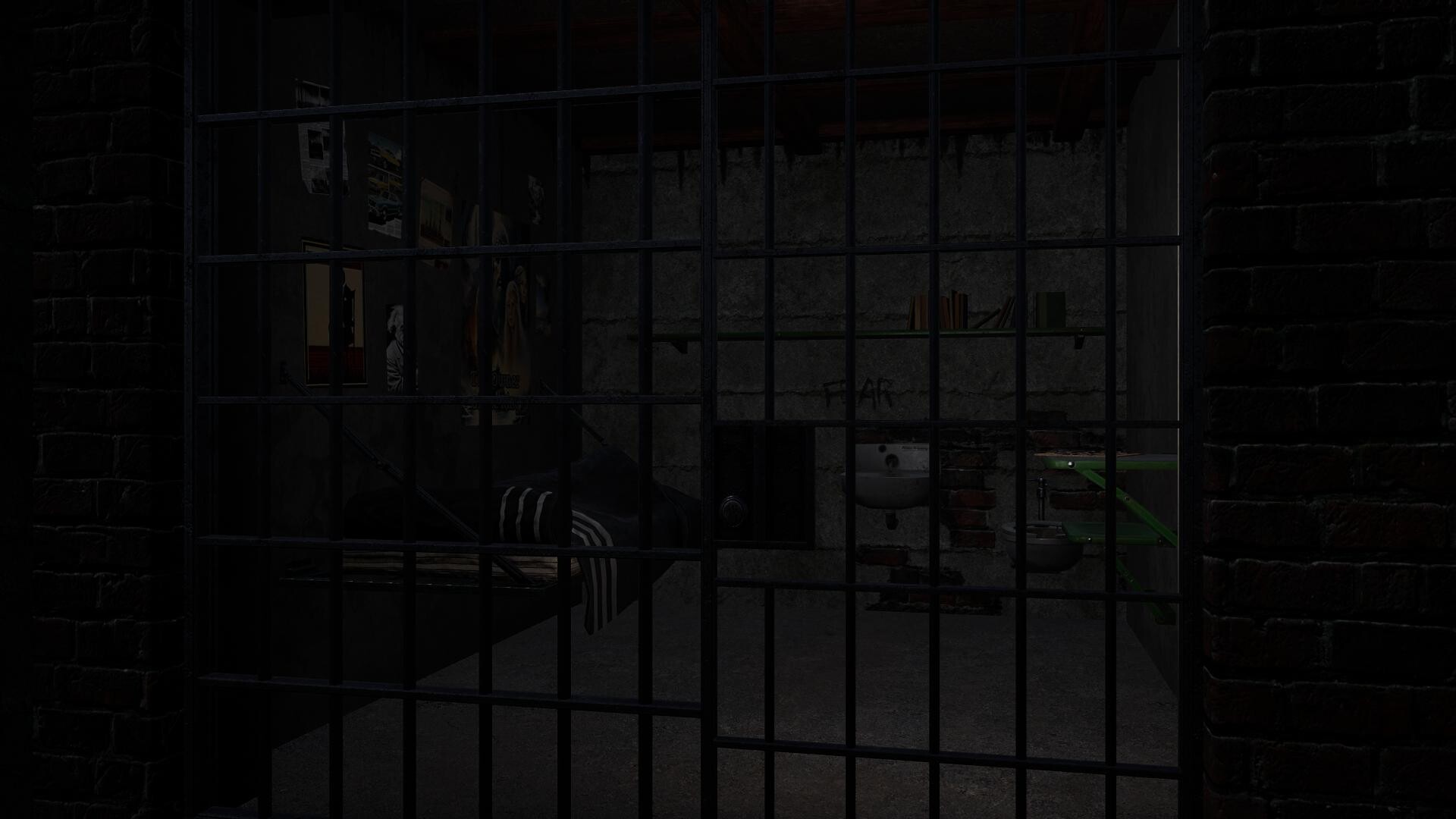
Officially described as the story of Jin searching a remote, off-grid mansion after leads point to its decayed rooms, Trace of the Villa sets up an investigation into missing people, falsified identities, and concealed operations. The mansion’s rooms appear “erased” rather than merely abandoned: furnishings remain, but photos and names are missing, and restored power reveals encrypted documents, safes, and financial traces. What you do is piece those fragments into a timeline — a narrative puzzle told through found manifests, secured systems, and hidden compartments.

When and where
Trace of the Villa released on 28 May, 2026 on Steam. It appears under the Action / Adventure / Indie genres and lists single-player and accessibility-style categories such as subtitle options and color alternatives — useful signposts for PC players checking technical fit.
Why the theme matters — what the story tone promises
The game frames its narrative around a very human motor: a sibling searching for a missing sister. Rather than leaning on explicit supernatural beats (the official description focuses on erased identities, encrypted records, and logistical cover-ups), it presents a psychological investigation and institutional obfuscation. For players who prefer mystery grounded in forensic-style clue work and atmosphere — not constant action or overt scare tactics — that tonal choice shapes expectations about pacing and emotional stakes.
How you play the story without spoilers
Progression is driven by environmental investigation. You restore power and systems, unlock hidden compartments and safes, and collect manifests and documents that progressively reveal operations tied to the mansion. The official text emphasizes restored systems yielding encrypted documents and suspicious transfer records; expect puzzles that connect physical exploration with reading and interpreting found evidence rather than combat-centered storytelling. The categories “Playable without Timed Input” and “Custom Volume Controls” also suggest a measured, player-paced experience.
Player scenarios — decide if you should wishlist
- You like slow-burn detective work: If you enjoy reconstructing timelines from fragments and letting atmosphere do the heavy lifting, this fits.
- You prioritize accessibility and a measured tempo: With subtitle options and playable pacing (no required timed input), the game suits players who prefer to read and observe.
- You prefer puzzle-led environmental storytelling, not constant combat: The premise centers on investigation and system restoration, so expect clue-driven puzzle design over action-focused mechanics.
- You want to avoid spoilers: The official descriptions frame the central mystery but stop short of revealing outcomes — the story unfolds as you reassemble records and unlock hidden layers.
How Trace of the Villa compares — editorial discovery
Below is a focused comparison against a handful of narrative-driven, mystery-minded games to help you place Trace of the Villa by genre, atmosphere, puzzle focus, exploration style, and pacing.
| Title | Genre / Core focus | Atmosphere / Tone | Puzzle & exploration style | Pacing / Player fit |
|---|---|---|---|---|
| Trace of the Villa | Action, Adventure, Indie — investigation-centered premise | Slow-burn, atmospheric mansion mystery; psychological investigation | Clue-driven: manifests, restored systems, encrypted documents | Measured tempo; player-paced, playable without timed input |
| Inscryption | Adventure / Indie / Strategy — card-based odyssey | Dark, metafictional, psychologically unsettling | Deckbuilding + escape-room style puzzles; layered secrets inscribed in gameplay | Variable pacing; combines tension of card play with puzzle reveals |
| Outer Wilds | Action / Adventure — open-world mystery | Mysterious, wonder-driven, cosmic tone | Exploration-based puzzle loops and environmental discovery | Player-paced; rewards curiosity and long-form pattern recognition |
| The Forgotten City | Adventure / Indie / RPG — narrative time-loop mystery | Ancient, moral, investigative | Dialogue and logic puzzles with timeline manipulation | Deliberate pacing; narrative-heavy problem solving |
| The Medium | Adventure — psychological horror | Dual-reality, eerie, confronting trauma | Third-person exploration with psychological puzzle elements | Steady pace with moments of tension; story-driven |
| Journey | Adventure / Indie — contemplative exploration | Poetic, minimalist, emotionally resonant | Environmental traversal and discovery rather than explicit puzzles | Slow, meditative; emphasis on atmosphere over narrative exposition |
Use the table to match your taste: if you prefer forensic-style documents and institutional mysteries (Trace of the Villa), you’ll get different satisfactions than from card-driven metafiction (Inscryption) or cosmic exploration (Outer Wilds).
Where to find trailers and gameplay
If you want to watch trailers or gameplay, search YouTube using this discovery path (this is a general search URL and not a claim of a single official video): Trace of the Villa trailer & gameplay on YouTube.
Final verdict — who should wishlist it
Wishlist Trace of the Villa if you seek a story-rich PC mystery game built around environmental storytelling, decrypted records, and slow-burn investigative tension. If you want faster action or explicit supernatural horror, it may not align with your expectations; but if you enjoy reconstructing erased histories room by room, this title warrants attention.
Leave a Reply