
Trace of the Villa — an inspection-heavy mansion mystery for clue-readers
Trace of the Villa is an atmospheric mystery adventure about Jin’s search for his missing sister inside a cut-off, decaying mansion. Released on 28 May, 2026 by Steadyturtle Co., Ltd., the game leans on locked-room thinking, layered clue chains and environmental reading rather than fast reflexes.

| Fact | Details |
|---|---|
| Title | Trace of the Villa |
| Developer / Publisher | Steadyturtle Co., Ltd. |
| Release date | 28 May, 2026 |
| Genres | Action, Adventure, Indie |
| Categories (Steam) | Single-player; Color Alternatives; Custom Volume Controls; Playable without Timed Input; Subtitle Options; Family Sharing |
Who this is for
If you prefer slow-burn suspense over twitch gameplay, this is aimed at players who like environmental storytelling and methodical investigation. The official description makes clear the game is built around restored systems, hidden compartments and encrypted fragments — the sort of set pieces that reward careful inspection, not quick reactions. Accessibility tags like “Playable without Timed Input” and subtitle options also signal a pacing-friendly, reading-and-thinking experience.
What the game is
Trace of the Villa follows protagonist Jin as he follows a lead to a remote, deliberately forgotten mansion. According to the Steam description, when Jin restores power the estate begins to reveal hidden systems: secured systems coming back online, safes and compartments unlocking, and fragments of encrypted documents and suspicious transfer records. The narrative and puzzle scaffolding are built around uncovering a concealed operation and piecing timelines together from physical evidence.
When and where to get it
The game launched on Steam on 28 May, 2026. Visit the Steam page to wishlist or buy: Trace of the Villa on Steam.
Why the theme matters for puzzle design
The mansion setting and the description’s emphasis on erased identities and secured systems naturally encourage object logic and environmental puzzles. When a game’s fiction explains why systems were shut down or why personal items are left mid-routine, every object becomes a potential clue. That setup favors chained puzzles — solve one locked compartment and the evidence it contains points to another piece of the timeline, which in turn changes how you interpret the next area. For players who enjoy reading a scene for cause-and-effect rather than following a map marker, that is the core appeal.
How you’ll read clues and progress
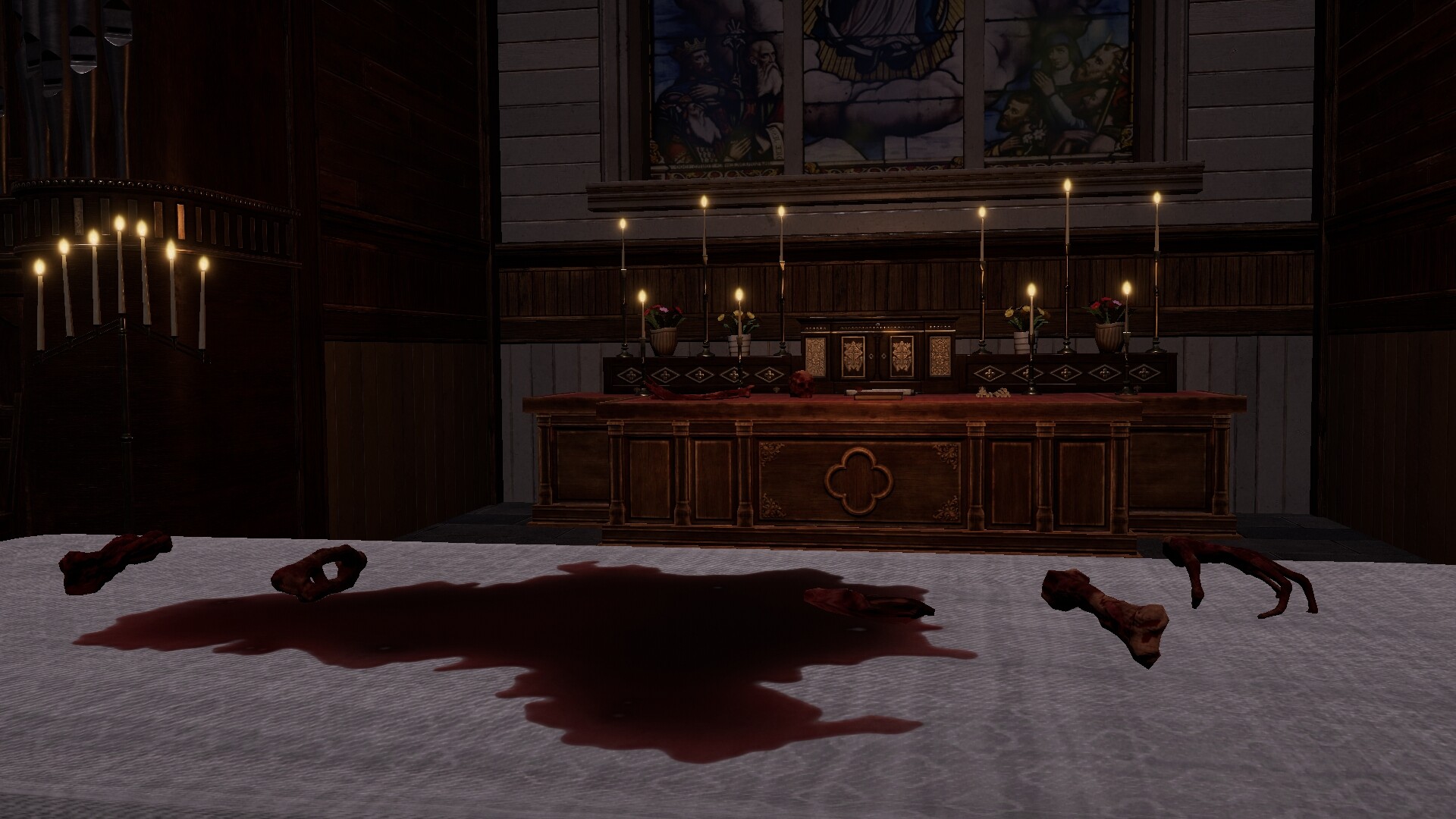
Trace of the Villa’s official text references restoring power, safes yielding encrypted fragments, and manifests and hints that connect to Jin’s sister. That implies a gameplay loop focused on observation, reconstruction and inference: inspect an area, recover a document or device, use recovered data to unlock a secured system, and repeat. This is inspection-heavy play — you’ll want to systematically search rooms, compare items for inconsistencies, and treat environmental detail as narrative evidence rather than mere decoration.
From an editorial perspective, expect locked-room thinking: puzzles that rely on local logic and cross-referencing items in the environment rather than on abstract codes unconnected to the scene. The listed Steam categories — especially “Playable without Timed Input” — strongly suggest the experience privileges careful reading over timed trial-and-error.

Player scenarios — who should wishlist this
Scenario A — The methodical investigator
You enjoy scanning a room for inconsistencies, keeping notes, and coming back to earlier areas with new context. If you like puzzle games that reward pattern recognition and patience over speed, Trace of the Villa fits.
Scenario B — Story-first puzzle players
You care about why objects matter: a ledger that explains a movement of people, a power grid that reveals monitored rooms. The narrative premise—erased identities and suspicious transfer records—links discovery to story beats, which suits players who want plot-driven clues.
Scenario C — Accessibility-minded explorers
If timed inputs and fast reflexes are a turn-off, the Steam category “Playable without Timed Input” makes this a safer bet. The game’s pace appears to reward deliberation and careful reading.
How it compares to nearby mystery/puzzle games
| Title | Puzzle focus | Atmosphere / tone | Player fit |
|---|---|---|---|
| Trace of the Villa | Inspection-led object logic, environmental clues, chained discovery (official description highlights restored systems and encrypted fragments). | Slow-burn, unsettling mansion mystery with erased identities and a conspiratorial undercurrent. | Players who like reading scenes, reconstructing timelines and solving locality-based puzzles. |
| The Room (series) | Tactile, object-centric mechanical puzzles tightly bound to a single puzzle device or set-piece. | Secluded, uncanny environments focused on atmosphere and single-chamber mystery. | Players who enjoy focused, handcrafted puzzle boxes and tactile manipulation. |
| Escape Simulator | Highly interactive escape rooms with physics interactions and community-created content. | Varied tones depending on room — from bright co-op puzzles to spooky solo rooms. | Players who want physical interactivity, sandboxable puzzles and co-op or community scenarios. |
| Hi-Fi RUSH | Action/rhythmYouTube discoveryFor trailer and gameplay discovery, use YouTube search rather than relying on unverified embeds: Find Trace of the Villa trailer and gameplay searches on YouTube. CommentsMore posts |
Leave a Reply