
Trace of the Villa and the Case for Quiet Tension in Psychological Horror
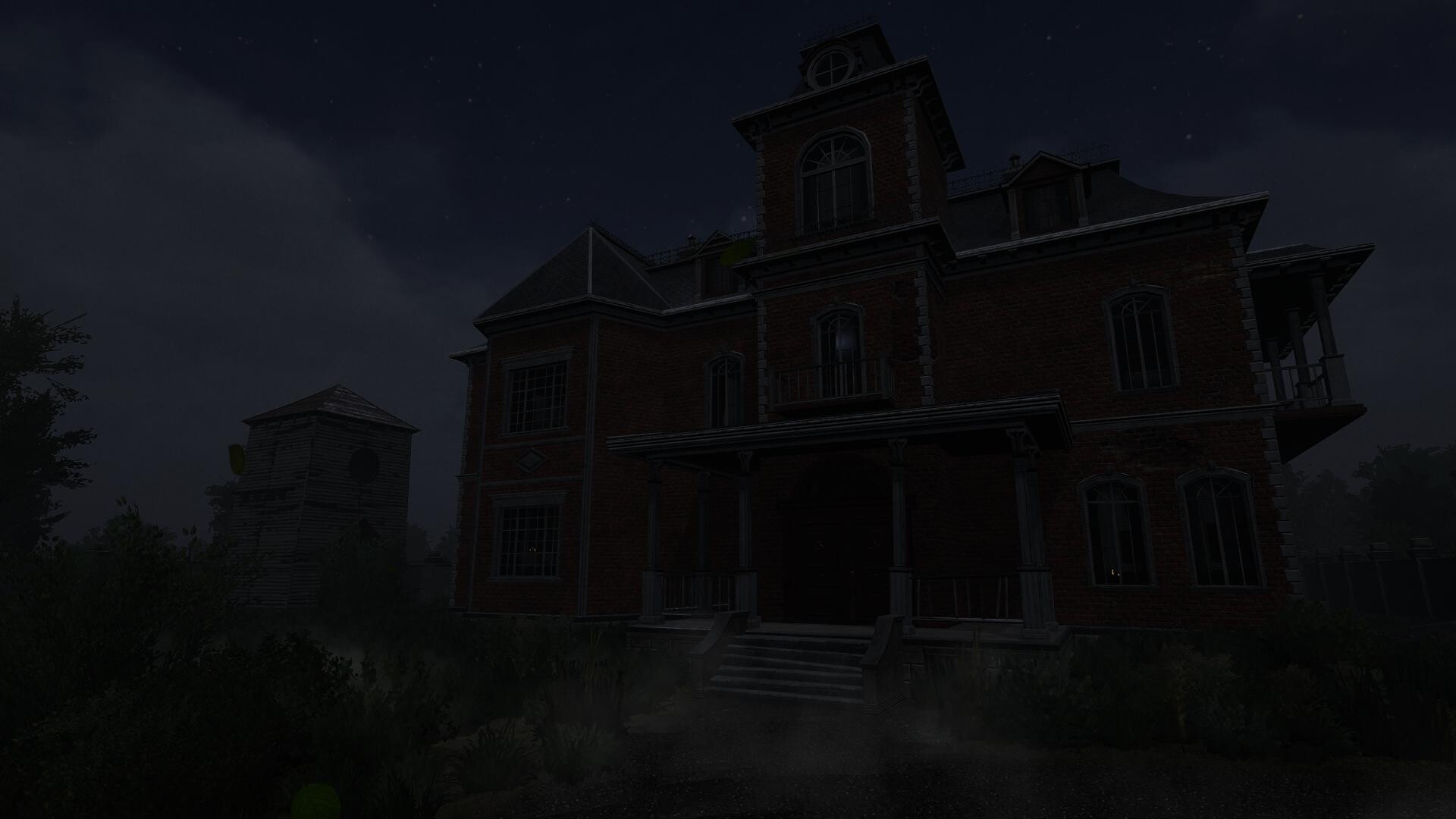
Trace of the Villa trades loud shocks for an insistently wrong silence: a decaying, off-grid mansion where rooms look lived-in but every personal trace — photographs, names, histories — appears to have been removed. That deliberate erasure turns ordinary investigation into a claustrophobic puzzle of identity and absence, where fear grows from not knowing what should be there rather than what suddenly appears.

Who this is for
This is a PC-first Steam audience itemized for players who prefer slow-burn suspense and environmental storytelling over twitch reflex scares. If you like atmospheric mystery adventure, narrative puzzle design, and exploration that rewards close reading of space and objects, Trace of the Villa is explicitly aimed at you. It will appeal to players who enjoy methodical clue-driven exploration and the unease of identity erasure as a narrative device.
What the game is
Trace of the Villa (developer/publisher: Steadyturtle Co., Ltd.) casts you as Jin, a man following leads to a remote, decaying mansion after years searching for his missing sister. The Steam description frames the house as “less abandoned than erased”: rooms appear to have been occupied when people vanished, but personal identifiers — photographs, names, histories — are missing. Restoring power, unlocking secured systems, and opening safes yields fragments of encrypted documents, suspicious transfer records, and more puzzles that sketch a larger, controlled operation rather than a standard haunting.
When and where
Trace of the Villa released on 28 May, 2026 and is available on Steam for PC. The Steam store page lists the game under Action, Adventure, Indie, and includes Single-player and accessibility-style categories such as Color Alternatives, Custom Volume Controls, Playable without Timed Input, Subtitle Options, and Family Sharing.
Why the quiet tension matters
Psychological horror that emphasizes uncertainty and erased identity relies on what the player is allowed to notice and what is withheld. Trace of the Villa turns ordinary domestic detail into evidence: objects that remain, systems that come back online, and redacted records become the language of dread. That sustained ambiguity—rooms staged mid-routine but stripped of names—creates tension by inviting interpretation rather than jolting reaction. For many players, this sustained cognitive disquiet is more unsettling and memorable than a sequence of jump scares.
How progression and investigation work
The official Steam description outlines a detective-style loop: restore power, get systems back online, open hidden compartments, and decrypt fragments of documents. Each solved puzzle reveals another layer of a concealed operation—falsified identities, financial trails, and arrivals/departures that leave no official record. Mechanically and narratively, progress hinges on close observation of space, piecing together timelines from fragments, and following clues that point to institutional erasure rather than supernatural spectacle.
Official visuals

Quick facts
| Title | Trace of the Villa |
|---|---|
| Steam AppID | 3483660 |
| Release date | 28 May, 2026 |
| Developer / Publisher | Steadyturtle Co., Ltd. |
| Genres | Action, Adventure, Indie |
| Key Steam categories | Single-player; Color Alternatives; Custom Volume Controls; Playable without Timed Input; Subtitle Options; Family Sharing |
| Official premise | Jin searches a remote, decaying mansion where manifests and hints indicate his missing sister may still be alive; the house feels “less abandoned than erased.” |
How it sits beside similar titles
Below is a concise editorial comparison focused on atmosphere, pacing, puzzle focus, and exploration style — not a ranking. These comparisons are intended to help readers decide whether Trace of the Villa matches their taste.
| Title | Release | Genre / Focus | Atmosphere & Pacing | Puzzle / Exploration Style |
|---|---|---|---|---|
| Trace of the Villa | 28 May, 2026 | Action, Adventure, Indie — mansion mystery | Slow-burn, domestic erasure and sustained uncertainty | Clue-driven: restore systems, unlock compartments, piece timelines |
| Amnesia: The Dark Descent | 8 Sep, 2010 | Action, Adventure, Indie — survival/immersion | Immersive dread with focused survival horror pacing | Exploration with sanity mechanics and physics-based puzzles |
| SOMA | 21 Sep, 2015 | Action, Adventure, Indie — sci-fi existential horror | Brooding, philosophical, and atmospheric with deliberate pacing | Narrative puzzles and investigation in a contained environment |
| Layers of Fear (2016) | 15 Feb, 2016 | Adventure, Indie — psychological mansion horror | Unnerving, looping mansion spaces; surreal shifts in environment | Environmental storytelling with shifting levels and reveals |
| Poppy Playtime | 12 Oct, 2021 | Action, Adventure, Indie — puzzle-horror with toy-factory setting | Tension driven by set-piece encounters and chase moments | Puzzle tools and scripted encounters in a large facility |
Player scenarios — who should wishlist
- Wishlisting if you value environmental storytelling and slow-burn menace: you prefer piecing timelines together from objects and redacted records.
- Wishlisting if you enjoy detective-like loops: restoring power, unlocking systems, and decrypting documents as core progression.
- Avoid wishlisting if your primary interest is fast-paced combat or jump-scare-driven horror — Trace of the Villa foregrounds sustained ambiguity and institutional mystery.
- Wishlisting if accessibility options matter: the Steam page lists Subtitle Options, Custom Volume Controls, Color Alternatives, and Playable without Timed Input.
YouTube discovery
If you want trailers or gameplay clips, use this YouTube search path (search results may include official and community content): Trace of the Villa trailer & gameplay search on YouTube.
Leave a Reply