
Trace of the Villa — a slow-burn mansion mystery for meticulous investigators
Trace of the Villa puts you in Jin’s shoes: a lone searcher who follows a cold lead to a remote, deliberately forgotten mansion and begins reconstructing erased lives from manifests, safes, and encrypted transfers. If you prefer environmental storytelling, clue-driven exploration, and piecing together a timeline from fragments rather than spectacle, this Steam release is tailored to patient, detail-minded players.

Quick facts
| Title | Trace of the Villa |
|---|---|
| Steam App ID | 3483660 |
| Release date | 28 May, 2026 |
| Developer / Publisher | Steadyturtle Co., Ltd. |
| Genres | Action, Adventure, Indie |
| Key Steam categories | Single-player; Color Alternatives; Custom Volume Controls; Playable without Timed Input; Subtitle Options; Family Sharing |
| Official short premise | Jin has spent years searching for his missing sister, pursuing leads that took him to a remote, decaying mansion where he recovered manifests and hints that indicate his sister may still be alive, somewhere at the end of the trail he is about to follow. |
Who should wishlist Trace of the Villa?
Meticulous players who treat rooms like dossiers, lore readers who track small inconsistencies across documents, and investigation fans who enjoy assembling a case from partial evidence will get the most out of Trace of the Villa. The Steam categories note “Playable without Timed Input” and subtitle/volume options, highlighting accessibility for players who prefer thoughtful, unhurried exploration.
What the game is — atmospheric mystery and investigation
Official materials frame the game around Jin’s personal hunt: a decaying mansion “cut off from the grid” where rooms feel “furnished as if their occupants vanished mid-routine.” Restoring power to the estate is a narrative beat in the publisher’s description — when systems come back online, “hidden compartments unlock” and safes yield encrypted fragments and suspicious transfer records. That language signals an emphasis on environmental storytelling: clues live in restored systems, paper manifests, and scattered personal effects rather than explicit cutscenes.
When and where
Trace of the Villa launched on Steam on 28 May, 2026. It’s published and developed by Steadyturtle Co., Ltd. The Steam app ID is 3483660 and the official Steam store page is the place to wishlist or buy.
Why the theme matters to investigation-focused players
Many mystery games hand you an investigator’s notebook; Trace of the Villa, by contrast, appears built around reconstruction. The house is described as having had identities “removed” — manifests, falsified identities, and transfer records form a forensic trail. For players who value cumulative discovery — each decrypted fragment shifting the theory of what happened — that kind of design rewards note-taking, re-checking prior rooms, and cross-referencing documents.
How you read clues and progress
According to the official description, progression revolves around system restoration and evidence recovery. Restoring power causes secured systems to come back online, safes to yield fragments, and hidden compartments to unlock. Those recovered pieces — manifests, encrypted documents, suspicious transfer records — compose the timeline Jin must assemble. The game’s mix of puzzle-led unlocks and document-based revelations points to a loop of: search room → restore or unlock → read fragment → revise timeline.
Player scenarios — how this fits different investigative tastes
- The Archivist: You’ll enjoy cataloguing manifests and tracing name substitutions or transfer anomalies across documents to reconstruct arrival and departure patterns inside the estate.
- The Forensic Storyteller: You prefer slow-burn reveals. Restoring power and waiting as the house reveals its systems — then following each unlocked thread — suits players who want to build a coherent narrative from subtle, scattered details.
- The Puzzle-Adjacent Explorer: You like environmental puzzles that gate story beats. If solving locks, safes, and system restores to access new documents appeals to you, this structure will feel rewarding.
Visuals from the Steam page

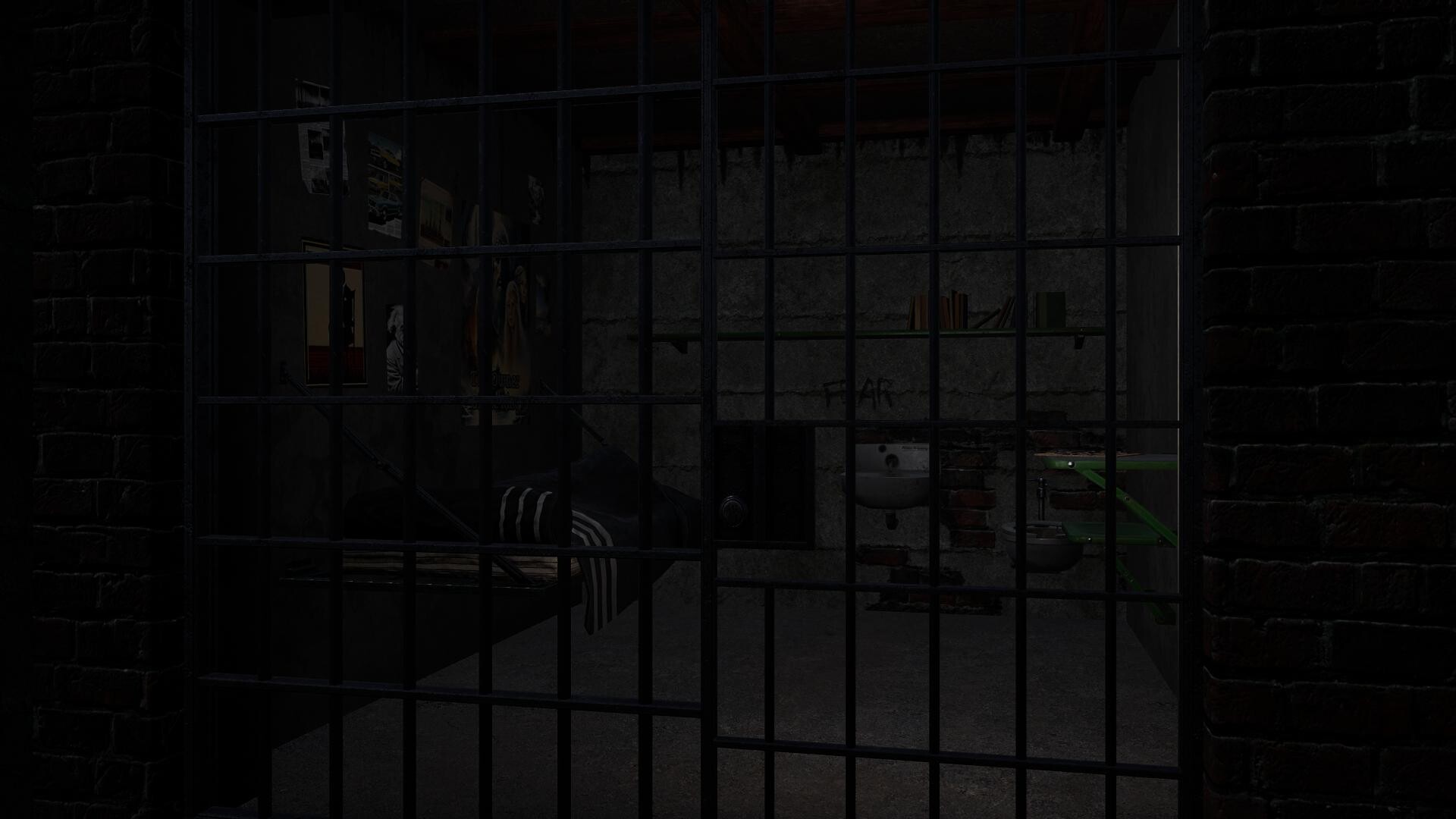
How Trace of the Villa compares to nearby narrative mysteries
Below is a concise editorial comparison focusing on atmosphere, puzzle focus, exploration style, and pacing to help you decide whether the game matches your investigative taste.
| Title | Atmosphere / Story Tone | Puzzle & Investigation Focus | Exploration Style | Pacing / Player Fit |
|---|---|---|---|---|
| Trace of the Villa | Decaying mansion, erased identities, personal search (Jin looking for his sister) | Document fragments, restored systems, safes and encrypted manifests (clue-driven) | Room-by-room reconstruction; environmental storytelling | Slow-burn; rewards meticulous, note-taking players |
| Inscryption | Bleak, psychological, metafictional | Card-based puzzles layered with escape-room elements | Progressive reveal through cards and meta layers | Dense, experimental; players who like shock reveals and lateral puzzle design |
| Outer Wilds | Curious, cosmic, melancholic exploration | Environmental puzzles embedded in a solar-system mystery | Open exploration across locations with time-loop mechanics | Explorers who enjoy slow discovery across interconnected systems |
| The Forgotten City | Philosophical, narrative-driven mystery | Dialogue and time-loop puzzles that test hypotheses | Structured area exploration with timeline-reset mechanics | Players who like moral puzzles and iterative investigation |
| The Medium | Psychological, ghostly dual-realm story | Realm-overlap puzzles and narrative scanning of environments | Linear to semi-open with dual-reality mechanics | Players who prefer strong atmosphere and psychological unfolding |
YouTube discovery
If you want trailer or gameplay footage
Steam page
View Trace of the Villa on Steam
YouTube discovery
For trailer and gameplay discovery, use YouTube search rather than relying on unverified embeds: Find Trace of the Villa trailer and gameplay searches on YouTube.
Leave a Reply