
Trace of the Villa: how puzzles speak without spoiling the story
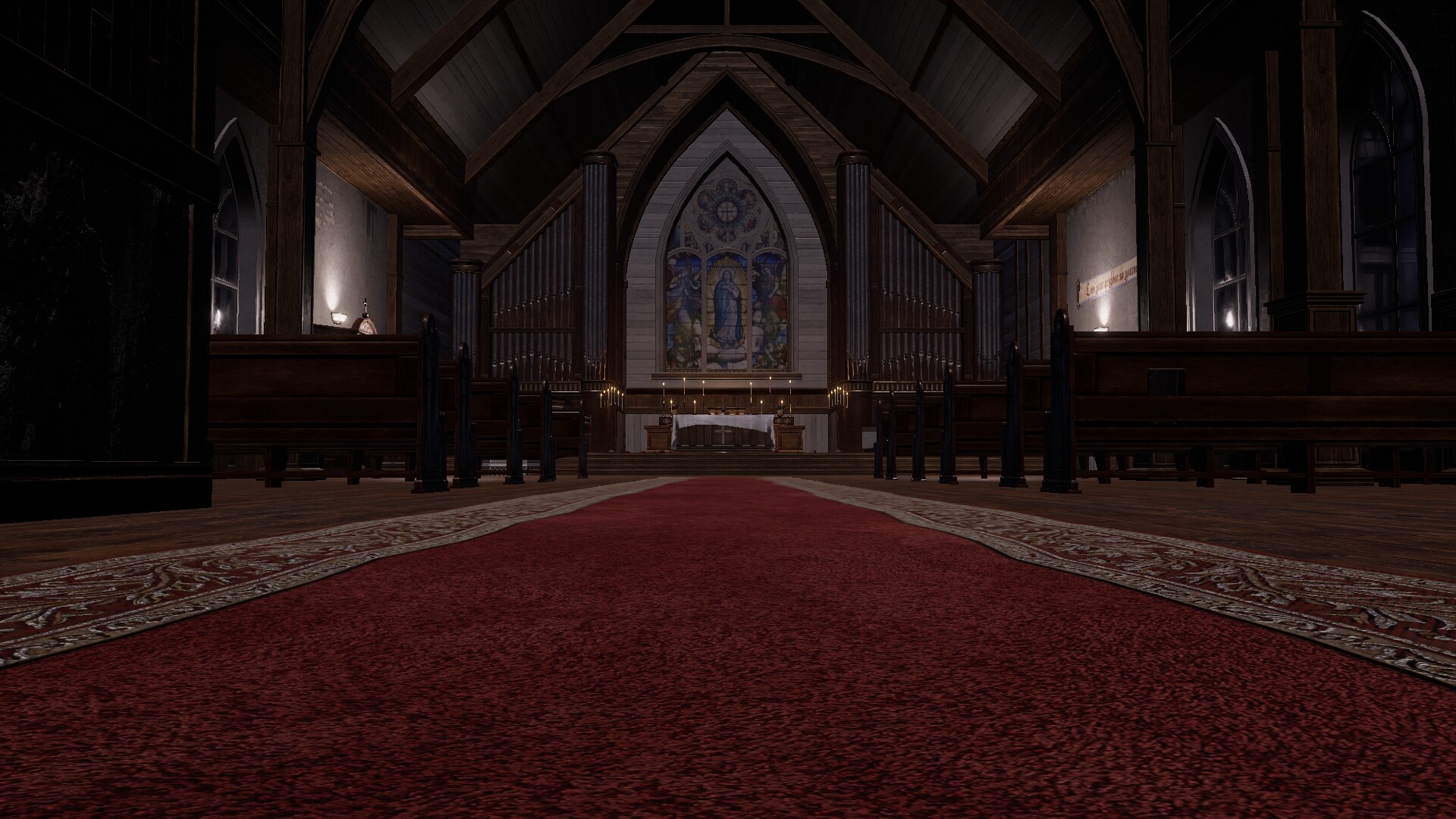
Trace of the Villa is an atmospheric mystery adventure about Jin, a man following a trail of manifests and hints through a decaying mansion to determine whether his missing sister might still be alive. Released on 28 May, 2026 by Steadyturtle Co., Ltd., the game pairs environmental exploration with object-based logic and story puzzles that reveal evidence one fragment at a time.

Who, what, when, where, why, and how
Who it’s for
Players who prefer slow-burn suspense and clue-driven exploration over action-heavy gameplay — people who enjoy reading into manifests, decrypting fragments and using object logic to construct a timeline. If you like environmental storytelling and piecing together an investigation at your own pace, Trace of the Villa is targeted at that audience.
What the game is
Trace of the Villa is a single-player Action / Adventure / Indie title on Steam from developer/publisher Steadyturtle Co., Ltd. The official premise places protagonist Jin in a remote, deliberately forgotten mansion where locked doors, encrypted documents and suspicious transfer records slowly expose a concealed operation. The game’s puzzles are tied to evidence-gathering — solving a lock or restoring power yields narrative fragments rather than explicit plot reveals.
When and where
Trace of the Villa released on Steam on 28 May, 2026. It’s presented on PC via its Steam store page (see official CTA below).
Why the theme matters
Thematically, the game trades jump-scare spectacle for a creeping sense that identities and records have been removed. Because the mansion’s state is one of “erasure” — rooms preserved but stripped of names and photographs — every recovered manifest or recovered system acts as an evidentiary clue. That design makes each solved puzzle feel like a small forensic discovery rather than a theatrical reveal.
How the player reads clues and progresses
Puzzles in Trace of the Villa are embedded in the environment: restoring power brings systems online, locked compartments open after logical interaction, safes yield encrypted fragments and transfer records. Those mechanics let the player build an investigation through accumulation — object logic (fitting items, decoding sequences), contextual reading (manifests, logs), and systems reactivation. The game uses each solved challenge to provide another piece of evidence, preserving the narrative’s larger questions and avoiding direct spoilers.

Compact facts
| Title | Trace of the Villa |
|---|---|
| Steam AppID | 3483660 |
| Release date | 28 May, 2026 |
| Developer / Publisher | Steadyturtle Co., Ltd. |
| Genres | Action, Adventure, Indie |
| Key Steam categories | Single-player, Color Alternatives, Custom Volume Controls, Playable without Timed Input, Subtitle Options, Family Sharing |
| Short premise (official) | Jin recovers manifests and hints in a decaying mansion that indicate his missing sister may still be alive. |
How the puzzles reveal story evidence (without spoiling)
Design-wise, Trace of the Villa treats puzzles as investigative tools. Rather than using puzzles to deliver exposition in full, the game fragments discovery: powering up a circuit may unlock a terminal with partial logs; opening a safe provides encrypted pages rather than a tidy summary. That approach does two things for the player experience — it enforces deduction (you must assemble context from small items) and it preserves suspense (no single puzzle hands over the whole truth). The mechanics encourage careful reading, note-taking, and connecting seemingly innocuous objects to financial records or manifests.
Player scenarios — who should wishlist this
- You like clue reading: If you enjoy parsing manifests, logs and partial records to form a timeline, this game uses those exact elements as primary rewards.
- You prefer object logic puzzles: Players who enjoy fitting items, manipulating in-world devices, and using environmental detail to deduce solutions will find those systems central to progression.
- You value story-first mystery: If you want a puzzle loop that serves narrative discovery rather than spectacle, this title’s mansion mystery and evidence-focused reveals are a fit.
- You dislike timed, twitch-based puzzles: Trace of the Villa lists “Playable without Timed Input” among its categories, signalling a focus on pondered problem-solving.
How it compares to similar puzzle / mystery experiences
Below is a compact editorial comparison focused on puzzle emphasis, atmosphere, exploration style, and pacing — not on quality rankings.
| Title | Puzzle focus | Atmosphere / setting | Exploration style | Story tone & pacing |
|---|---|---|---|---|
| Trace of the Villa | Clue reading, object logic, encrypted documents; puzzles reveal fragmented evidence. | Decaying mansion, erased identities, systems restoring to expose secrets. | Environmental investigation — restore power, unlock compartments, piece together manifests. | Slow-burn, investigative; narrative discovery through accumulated evidence. |
| The Room | Tactile mechanical puzzles focused on complex puzzle boxes. | Mysterious, intimate interiors and locked devices. | Focused, single-location puzzle exploration (room/box). | Layered mystery delivered via objects and notes; tightly paced puzzle sessions. |
| The Room Two | Expanded mechanical puzzles across multiple locations with layered devices. | Cryptic halls and antique environments. | Sequential puzzle locations with a chain of escalating devices. | Continues the object-driven mystery with moderate pacing and increasing complexity. |
| Escape Simulator | Highly interactive escape-room style puzzles, emphasis on physical manipulation. | Bright, constructed rooms designed for puzzle interaction. | Room-by-room puzzle sandbox, strong community-made content. | Pacing varies widely by room; can be frantic or relaxed depending on design. |
| Unpacking | Quiet, non-traditional puzzles — spatial arrangement and inference from objects. | Domestic, intimate scenes that reveal life stories. | Slow, zen-like exploration through placement and observation. | Soft, contemplative narrative revealed indirectly through items. |
| hack_me | Simulator of hacking tools and systems (cmd, bruteforce, SQL-style operations). | Simulator/tech-focused environment. | Interface-driven simulations rather than physical environments. | Procedural, task-driven; less emphasis on atmospheric storytelling. |
YouTube discovery
If you want trailer or gameplay footage, search YouTube using this discovery path (note: this is a search/discovery link and not a verified official video): Trace of the Villa trailer & gameplay (YouTube search).
Where to wishlist / buy
If the above description matches
Leave a Reply