Trace of the Villa and the Power of Quiet Dread: Why Uncertainty Matters More Than Shock
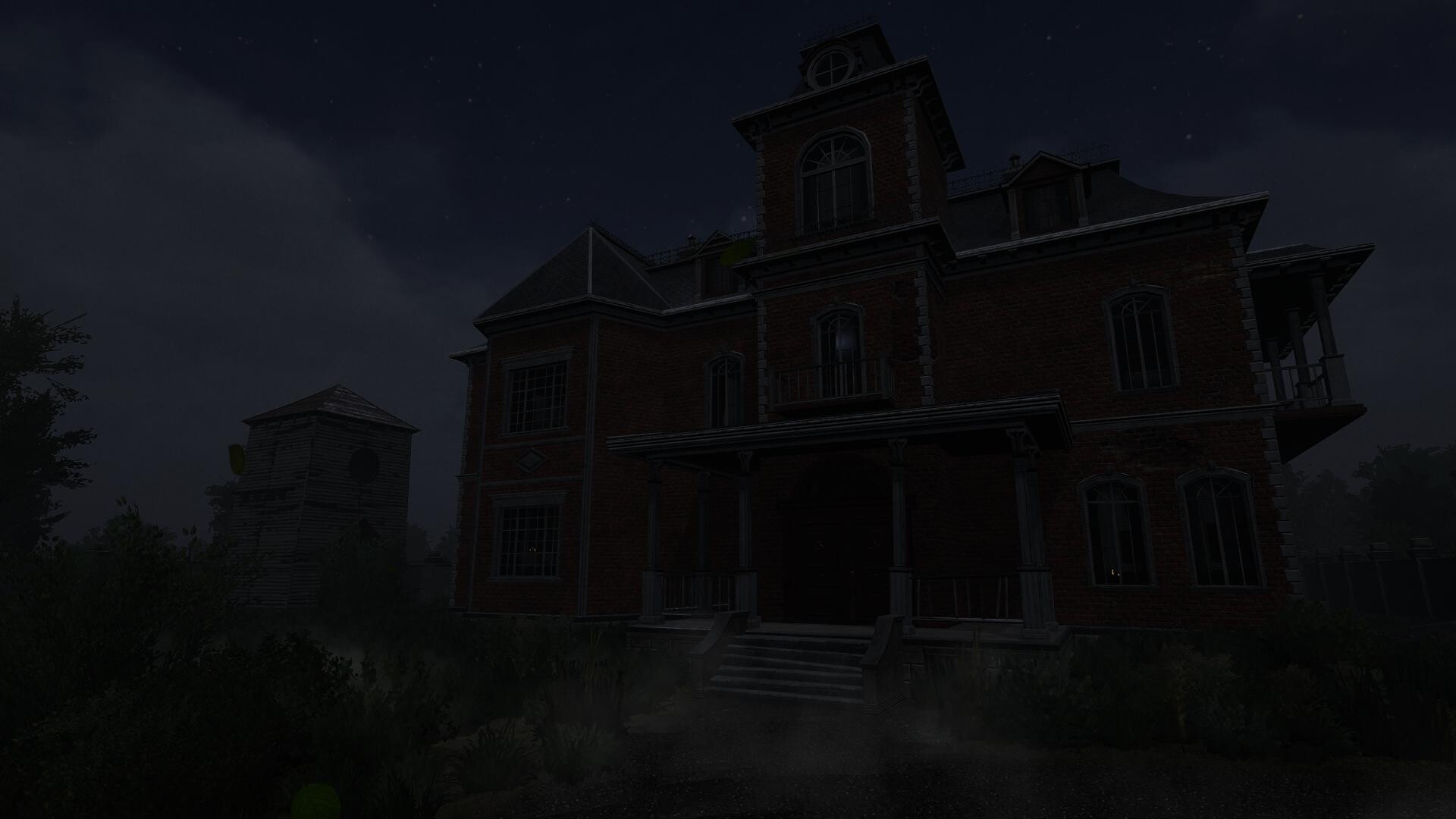
Trace of the Villa puts you in the shoes of Jin as he follows the last cold lead to a remote, decaying mansion—an investigation that trades burst scares for slow, accumulating unease. Released on 28 May, 2026 by Steadyturtle Co., Ltd., it’s a Steam-era atmospheric mystery adventure that foregrounds missing pieces, locked doors, and the feeling that a home’s history has been deliberately erased.

Quick facts
| Title | Trace of the Villa |
|---|---|
| Steam AppID | 3483660 |
| Release date | 28 May, 2026 |
| Developer | Steadyturtle Co., Ltd. |
| Publisher | Steadyturtle Co., Ltd. |
| Genres | Action · Adventure · Indie |
| Categories | Single-player, Color Alternatives, Custom Volume Controls, Playable without Timed Input, Subtitle Options, Family Sharing |
Who is this for?
If you prefer psychological investigation, story-rich exploration, and environmental storytelling over constant jump scares, Trace of the Villa is aimed at you. Players who like to trace breadcrumbs—manifests, encrypted records, and the slow restoration of systems—will appreciate how discovery here is a cognitive reward: solving puzzles reveals fragments of a hidden operation rather than delivering instant shock payoff.
What the game is
Trace of the Villa centers on Jin, who has spent years searching for his missing sister and follows a lead to a deliberately forgotten mansion. According to the official Steam description, the mansion’s rooms feel “less abandoned than erased”: furnished, lived-in, but stripped of names and photographs. When Jin restores power to the estate, secured systems come back online, hidden compartments unlock, and safes yield fragments of encrypted documents and suspicious transfer records. Those mechanics drive the game’s clue-driven exploration and narrative puzzle design.
When and where
Trace of the Villa launched on Steam on 28 May, 2026. It is presented as an indie Action/Adventure title on the Steam store (AppID 3483660) and uses standard accessibility options such as subtitles and custom volume controls.
Why the theme of quiet dread matters
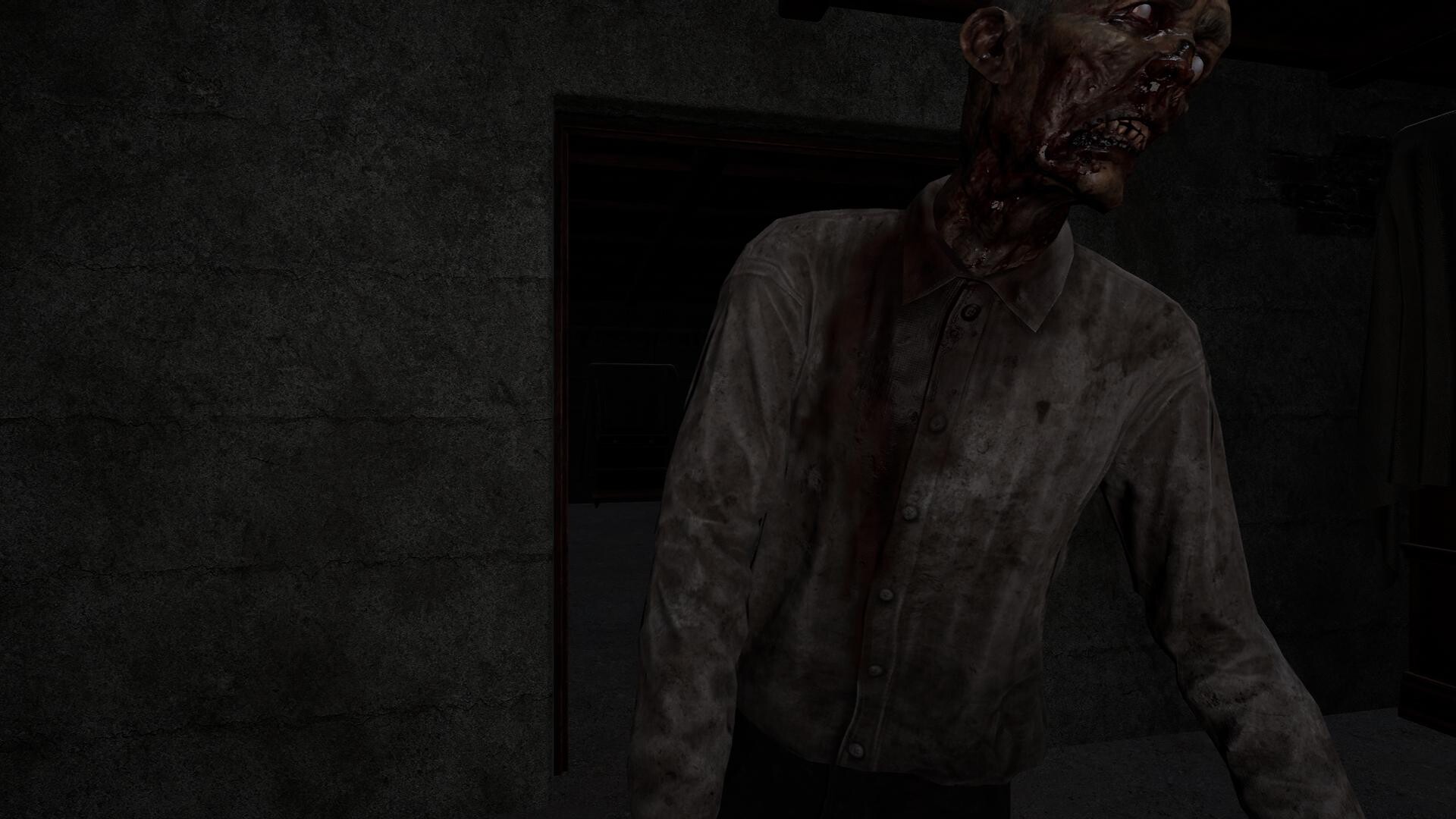
Empty rooms, missing photographs, and deliberately erased identities create a specific cognitive tension: the mind fills gaps. Quiet dread exploits our tendency to imagine explanations for absences. Where a jump-scare relies on physiological reflex, uncertainty leverages prolonged attention and memory—players replay a hallway in their head, trying to reconcile an object out of place or a door that should be locked. Trace of the Villa’s premise—an estate erased of ownership and identity—makes the lack of answers itself an engine of fear and curiosity.
How you progress: clues, power, and locked systems
Progression is described in the official Steam text: Jin restores power, and this restoration is literal and narratively meaningful. As systems reboot and safes open, new puzzles and document fragments appear. The game prioritizes layered discovery—financial trails that lead nowhere, falsified identities, and movements masked behind falsified records—so solving one environmental puzzle tends to unlock another piece of the operational mystery rather than produce a single cathartic reveal.
Player scenarios — who should wishlist it
- A player who enjoys slow-burn suspense and prefers piecing a narrative from documents, encrypted fragments, and environmental cues over combat-heavy encounters.
- Fans of mansion mysteries and atmospheric exploration who want a puzzle-adjacent investigation that rewards attention to detail.
- Those who appreciate accessibility options (subtitles, custom volume) and a single-player, focused narrative experience.
- Players who like comparative experiences that emphasize mood and psychological tension rather than constant action.
How it stacks up: a brief comparison
Below is a compact editorial comparison on lawful criteria—genre, atmosphere, puzzle/exploration focus, pacing, and the sort of player each tends to fit.
| Title | Genre | Atmosphere | Puzzle / Exploration | Pacing | Player fit |
|---|---|---|---|---|---|
| Trace of the Villa | Action · Adventure · Indie | Quiet, erased domesticity; slow dread | Clue-driven, systems restore to unlock evidence | Slow-burn suspense | Investigation-minded players who like environmental storytelling |
| Amnesia: The Dark Descent | Action · Adventure · Indie | Claustrophobic, visceral dread | Exploration with survival/hide mechanics | Relentless, immersive | Players seeking immersive terror and survival tension |
| SOMA | Action · Adventure · Indie | Existential, sci-fi dread | Exploratory puzzles tied to narrative themes | Measured, contemplative | Those who want horror that questions identity and consciousness |
| Layers of Fear (2016) | Adventure · Indie | Surreal, hallucinatory mansion horror | Story-led environmental puzzles; changing spaces | Psychological, often unpredictable | Players who like unreliable narration and shifting environments |
| Poppy Playtime | Action · Adventure · Indie | Playful-turned-disturbing factory horror | Puzzle tools (GrabPack) and set-piece encounters | Mixed — puzzle-forward with tense moments | Players who want puzzle mechanics paired with tense set pieces |
YouTube discovery
Official video assets may be hosted on multiple channels. Use this YouTube search path to find trailers or gameplay footage: Search Trace of the Villa trailer & gameplay on YouTube.
Final take
Trace of the Villa is not selling a roller-coaster of shocks; it sells a progressive unease that turns absence into a narrative device. If you prefer your horror to accumulate in the quiet corners of a room and your puzzles to reveal bureaucratic and personal erasures rather than instant jolts, this Steam indie warrants a look and a wishlist.
Leave a Reply