Trace of the Villa — why quiet uncertainty beats loud shocks in psychological horror
Trace of the Villa (Steadyturtle Co., Ltd., released 28 May, 2026) stages its dread in empty rooms and missing names: a slow-burning mansion mystery built around erasure, lost identity, and the tension of not knowing. Rather than relying on jump scares, the game foregrounds environmental clues, power restoration and document-driven puzzles to make silence feel active and threatening.

Who, what, when, where, why, how — the facts
Who: You play as Jin, a man who has spent years searching for his missing sister.
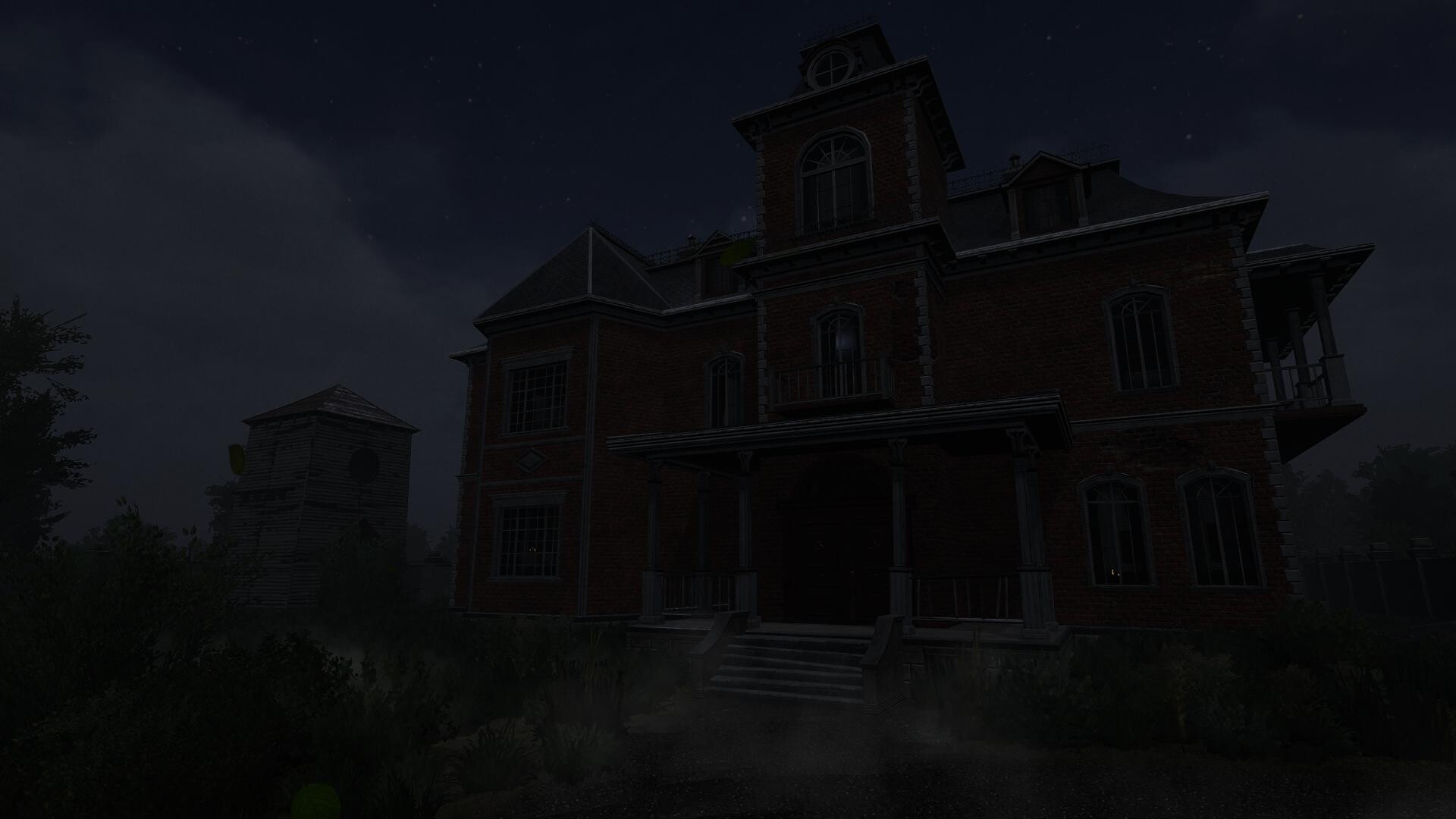
What: A Steam indie title blending action, adventure and exploration across a decaying, remote mansion where manifests, encrypted documents and falsified identities point to a larger, concealed operation.
When / Where: Available on Steam for PC; release date 28 May, 2026. Developer and publisher: Steadyturtle Co., Ltd.
Why the theme matters: The mansion is presented as “erased” — furnished rooms with no photos or names, arrivals without records and departures without witnesses. That specific sense of identity being scrubbed makes uncertainty itself the primary antagonist: every ordinary object raises questions instead of supplying answers.
How you progress: Jin restores power, brings systems back online, opens hidden compartments and solves puzzles that yield encrypted documents and transfer records. Clues are primarily environmental and document-based: follow manifests, interpret suspicious transfers and piece together a timeline from material fragments rather than cinematic exposition.
| Title | Trace of the Villa |
|---|---|
| Steam AppID | 3483660 |
| Release date | 28 May, 2026 |
| Developer / Publisher | Steadyturtle Co., Ltd. |
| Genres | Action, Adventure, Indie |
| Notable categories | Single-player; Subtitle Options; Color Alternatives; Playable without Timed Input |
| Premise | Jin searches a decaying mansion for clues about his missing sister; the house feels “erased” and files point to falsified identities and hidden operations. |
Why quiet tension and uncertainty matter more than shock claims
Trace of the Villa uses erasure and absence as tools. When photographs are missing and systems are disconnected, every restored light and unlocked drawer becomes an emotional event. That economy — making small discoveries carry weight — is different from games that prioritize visceral surprises. Uncertainty here is cumulative: a pattern of small unsettling discoveries eventually reshapes how you interpret every room.
Design choices described on the Steam page reinforce this approach: power restoration bringing systems back online, safes and hidden compartments yielding fragments of encrypted documents, and financial trails that “lead nowhere.” Those mechanics reward patient reading and cautious observation more than fast reflexes or shock-moment gameplay.
Who should wishlist Trace of the Villa?
- Players who prefer atmospheric mystery adventure and story-rich exploration over frequent jump scares.
- Fans of environmental storytelling and clue-driven investigation who enjoy piecing timelines together from documents, manifests and system logs.
- People who value pacing that lets silence and the uncanny grow into dread rather than immediate fright.
- Those who appreciate accessibility options listed on Steam (subtitles, color alternatives, custom volume controls) and single-player, non-timed puzzle play.
Player scenarios — which moments will stick with you?
Late-night solo session: you’ll appreciate the slow reveals as power comes back and the house starts to hum. Each re-lit corridor reframes previous assumptions.
Document detective: if you enjoy decrypting fragments and following financial breadcrumbs, Trace of the Villa’s hidden records, transfer notes and manifests set up a satisfying chain of inference.
Atmosphere-first explorer: if you prefer a game that makes an empty room feel story-rich, the mansion’s furnished-but-photographless spaces will reward close inspection and patience.
How it compares — a compact editorial table
| Title | Genre / Focus | Atmosphere & Story Tone | Puzzle / Exploration Style | Pacing / Player Fit |
|---|---|---|---|---|
| Trace of the Villa (2026) | Action, Adventure, Indie — mansion mystery | Quiet, erased identities — slow, accumulative dread | Document fragments, restored systems, hidden compartments | Slow-burn; for investigative, patient players |
| Amnesia: The Dark Descent (2010) | Action, Adventure, Indie | Immersive, claustrophobic nightmare — survival-horror tone | Environmental puzzles + sanity mechanics that increase tension | Relentless immersion; players who want constant dread |
| SOMA (2015) | Action, Adventure, Indie — sci-fi horror | Philosophical, existential; questions of identity and existence | Exploration and narrative puzzles in a contained environment | Thoughtful pacing; players who like horror with moral/ontological weight |
| Layers of Fear (2016) | Adventure, Indie — psychological horror | Surreal, artistic descent; shifting mansion spaces | Story-driven, changing environments that reveal memory and madness | Atmospheric and theatrical; players who enjoy unreliable reality |
| Poppy Playtime (2021) | Action, Adventure, Indie — puzzle-horror | Playful façade over sinister factory narrative | Tool-based puzzles and encounters in a large facility | Puzzle-focused with moments of tension; players who like gadget-driven solves |
How Trace of the Villa differs in practice
Compared to the listed titles, Trace of the Villa centers on identity erasure as a mechanic: not just eerie set dressing but an investigative throughline. Where some games use shifting geometry or persistent threats, this title emphasizes recovery — of power, of records, of context — so the act of uncovering becomes the primary engine of suspense.
YouTube discovery
If you want trailers or gameplay clips, search YouTube for Trace of the Villa trailers and gameplay: Trace of the Villa — YouTube search. (Use this as a discovery link; specific videos should be treated individually for authenticity.)
View Trace of the Villa on Steam
Disclaimer: Referenced titles and trademarks belong to their respective owners.
Leave a Reply