
Trace of the Villa: a slow-burn mansion mystery built on missing‑person stakes
Jin has spent years searching for his missing sister; a lead drags him to a remote, decaying mansion where signs suggest she may still be alive if he can follow the trail. Trace of the Villa (Steadyturtle Co., Ltd.) packages that personal urgency into an atmospheric mystery adventure focused on environmental storytelling and clue-driven exploration.

| Title | Trace of the Villa |
|---|---|
| Release date | 28 May, 2026 |
| Developer / Publisher | Steadyturtle Co., Ltd. |
| Genres | Action, Adventure, Indie |
| Categories | Single-player; Color Alternatives; Custom Volume Controls; Playable without Timed Input; Subtitle Options; Family Sharing |
| Steam store | Trace of the Villa on Steam |
Who is this for?
If you prize story-rich adventure where the narrative curiosity comes from piecing together other people’s lives, Trace of the Villa targets you. The game’s core is a missing‑person investigation — personal stakes that push a player through a decaying estate full of erased identities and locked secrets. Players who favor atmospheric mystery adventure, environmental storytelling, and a slow, tense pace that prioritizes reading clues over twitch reactions will likely find the tone rewarding.
What the game is
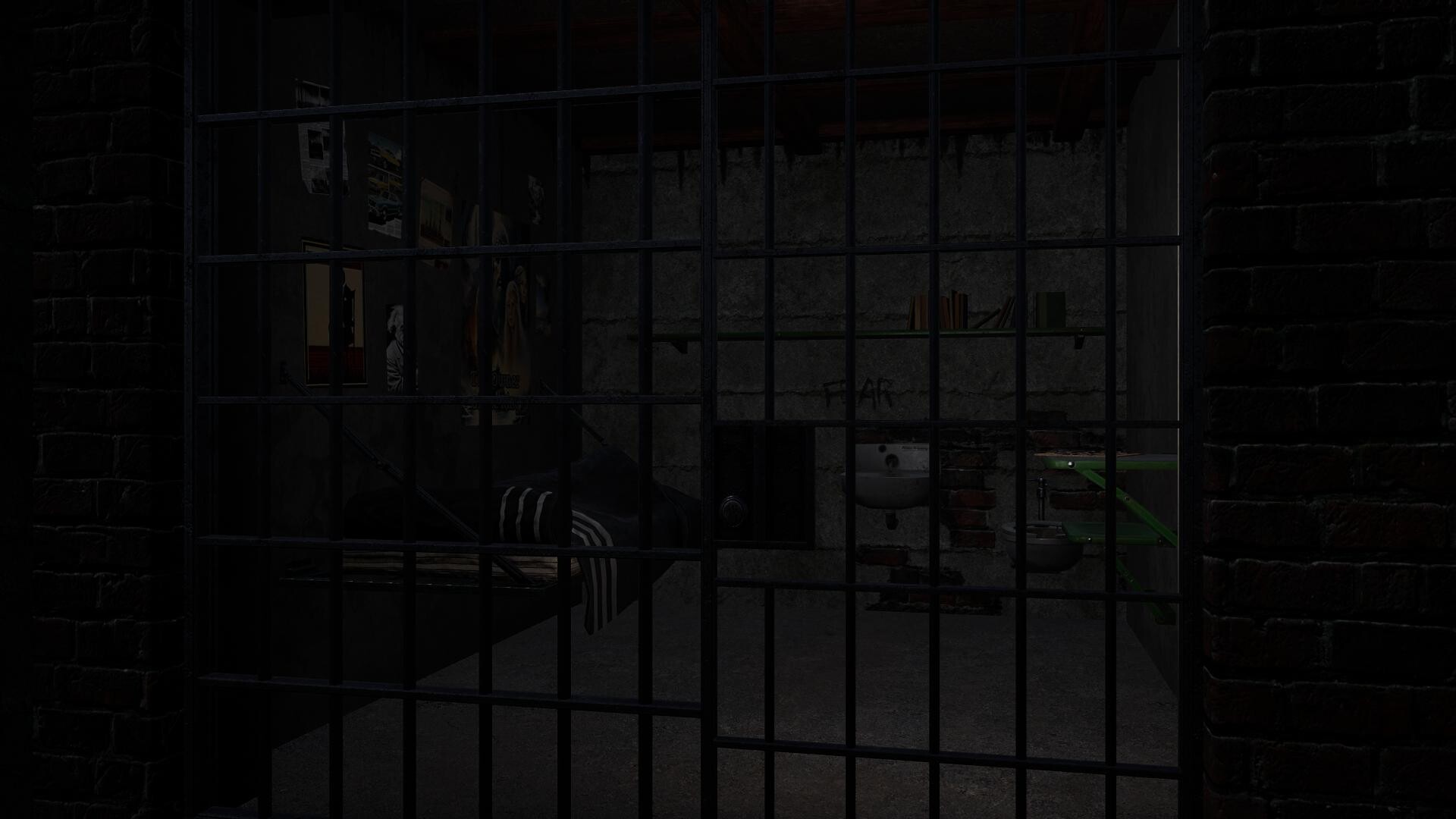
Officially: “Jin has spent years searching for his missing sister, pursuing leads that took him to a remote, decaying mansion where he recovered manifests and hints that indicate his sister may still be alive, somewhere at the end of the trail he is about to follow.” The Steam description expands on that premise: the mansion feels less abandoned than erased — rooms furnished as if occupants vanished mid‑routine; locked doors, hidden compartments, safes, encrypted documents, and falsified identities. The story builds as tangible artifacts are restored and systems come back online.
When and where — Steam / PC context
Trace of the Villa released on Steam on 28 May, 2026 and is presented on PC as an Action / Adventure / Indie title from Steadyturtle Co., Ltd. Its Steam listing highlights accessibility and comfort options such as subtitle options, color alternatives, custom volume controls, and a “playable without timed input” tag that suggests puzzle pacing respects players who prefer deliberate investigation over reflex challenges.
Why the missing‑person stakes matter
Missing‑person narratives change how players interpret every clue. Rather than an abstract mystery, each unlocked secret in Trace of the Villa potentially moves Jin closer to a real person — a sister — and that raises the emotional temperature. The mansion’s evidence of deliberate erasure (no photographs, falsified identities, financial trails that lead nowhere) shifts the game’s questions from “what happened here?” to “who engineered these erasures, and why?” That combination of personal motivation and institutional concealment creates moral ambiguity: you’re not just solving puzzles, you’re tracing responsibility.
How you uncover the story
The Steam description lays out the main investigation beats rather plainly: restoring power brings locked systems back online; hidden compartments and safes yield fragments of encrypted documents and suspicious transfer records; manifests and recovered items accumulate into a pattern of arrivals without records and departures without witnesses. Expect gameplay loops built around exploration, environmental puzzles, and decrypting or assembling fragments of evidence so the narrative unspools in layers rather than blunt exposition.

Player scenarios — who should wishlist this
- You want slow-burn suspense and careful reading: If you enjoy taking notes, backtracking with new context, and watching the map of a house change meaningfully as systems restore, that investigative rhythm is central here.
- You value emotional stakes tied to investigation: The missing sister premise makes every recovered manifest feel consequential rather than decorative; players who appreciate personal motivation driving exploration will respond to that framing.
- You prefer narrative puzzles and environmental storytelling over combat-heavy action: The Steam tags and description emphasize exploration, locked secrets, and decrypted fragments — a fit for puzzle-forward adventure players rather than arcade-focused gamers.
How Trace of the Villa compares (editorial discovery)
Below is a compact comparison to other narrative-driven indie titles readers might know. These comparisons focus on genre, atmosphere, puzzle/exploration emphasis, pacing, and story tone rather than quality judgments.
| Title | Genre / Tone | Puzzle vs. Exploration | Pacing | Story focus |
|---|---|---|---|---|
| Trace of the Villa | Action / Adventure; atmospheric mansion mystery | Clue-driven puzzles, environmental investigation | Slow, deliberate, investigative | Missing-person stakes, erased identities, institutional concealment |
| Inscryption | Adventure / Indie / Strategy; inky, psychological horror (card-based) | Card mechanics + escape-room style puzzles | Variable — roguelike loops and meta reveals | Psychological dread, meta-secrets encoded in gameplay |
| Outer Wilds | Action / Adventure; open-world cosmic mystery | Exploration-focused puzzles across a solar system | Unfolding, discovery-driven loops (time loop mechanic) | Cosmic scale mystery, systemic puzzle interdependence |
| Journey | Adventure / Indie; contemplative, minimalist | Traversal and environmental discovery | Gentle, meditative | Emotional, nonverbal storytelling through world |
| The Forgotten City | Adventure / Indie / RPG; narrative-driven mystery with time mechanics | Dialogue and moral puzzles; systemic time-loop rules | Deliberate, puzzle- and consequence-focused | Moral choices, community-scale mystery |
| The Medium | Adventure; psychological horror and dual-reality exploration |
Leave a Reply